avatarPaul Myers MBA

Free AI web copilot to create summaries, insights and extended knowledge, download it at here

2823

Abstract

s-1.readmedium.com/v2/resize:fit:800/1*8LiqVaMONzppgHI2NklqOA.jpeg"><figcaption></figcaption></figure><figure id="ba69"><img src="https://cdn-images-1.readmedium.com/v2/resize:fit:800/1*NjBKRjNACfxQYhb_G43O1Q.jpeg"><figcaption>Image by Author & Trainer Stephen Cox of Chin-up grip variations</figcaption></figure><p id="037f">Get a good stretch at the bottom extension too, and arch your back slightly on the way up. Don’t stress about getting your chin over the bar to start, an inch or two shy is fine, over time you’ll get there.</p><p id="bdb8" type="7">Always avoid swinging or excess momentum.</p><p id="d294">Controlled <a href="https://www.myprotein.ie/blog/training/how-to-do-a-chin-up-benefits-technique/#:~:text=Take%20your%20feet%20off%20the,you%20shouldn't%20just%20drop.">movement</a> is key when doing chin-ups or pull-ups.</p><h2 id="85d7">№2 — Sitting Pulls</h2><p id="568e">You can sit at a cable machine and <a href="https://www.verywellfit.com/how-to-do-the-cable-row-3498605">pull</a> a weight towards you at high or at low level. Also, you can also sit or stand in front of a cable pulley and pull from various angles, even mixing it up by using one or both arms.</p><figure id="e516"><img src="https://cdn-images-1.readmedium.com/v2/resize:fit:800/1*C06uPtr_Vp7InrWLNjXMeA.jpeg"><figcaption>Image by Author & Trainer Stephen Cox showing cable row</figcaption></figure><p id="a981">There’s also the <a href="https://www.menshealth.com/fitness/a19527800/dumbbell-pullover/">pullover</a>, in which you take a weight that’s overhead or behind you (while lying on your back) and pull it in an arcing motion until it’s in front of you, over your torso.</p><h2 id="ad45">№3 — Rowing Pulls</h2><p id="116d">Free-weight rowing exercises are done by bending at the hips so that your torso is at an angle or even parallel to the floor, followed by pulling a weight up to your abdomen, to your hip.</p><figure id="8a3f"><img src="https://cdn-images-1.readmedium.com/v2/resize:fit:800/1*CrQHBh5pZp0Mq6hGQp2yvA.jpeg"><figcaption></figcaption></figure><figure id="adda"><img src="https://cdn-images-1.readmedium.com/v2/resize:fit:800/1*klfxl0IQrjvn0peQPX4vJQ.jpeg"><figcaption>Image by Author & Trainer Stephen Cox showing Dumb-bell pull</figcaption></figure><p id="4ade">The upper-back muscle group, being your ‘lats’ (<a href="https://en.wikipedia.org/wiki/Latissimus_dorsi_muscle">latissimus</a> dorsi) and ‘traps (<a href="https://en.wikipedia.org/wiki/Trapezius">trapezius</a>), are predominantly worked during chin ups, but rowing pulls add variation to your workout.</p><p id="77a0">The lats pull your upper arms back towards your torso, when extended overhead or indeed in front of you. Traps on the other hand, your shoulder-<a href="https://en.wikipedia.org/wiki/Scapula">blade</a> muscles, pu

Options

ll your shoul­der blades together in a rowing motion, down in a pull-up, or up in a shrugging movement.</p><figure id="db5f"><img src="https://cdn-images-1.readmedium.com/v2/resize:fit:800/1*KU35kWniLHBGocOjfiXG4g.jpeg"><figcaption></figcaption></figure><figure id="4f67"><img src="https://cdn-images-1.readmedium.com/v2/resize:fit:800/1*TjEgMvXk_7QfioV1hKTv9w.jpeg"><figcaption>Image by Author & Trainer Stephen Cox showing Bar-bell pull</figcaption></figure><p id="e557">Your biceps and your forearm muscles aid your lats, and partly your traps in all pulling exercises. So your biceps get plenty of work, more than they’ll ever need by just using pushing or pulling exercises to develop in proportion to the rest of your body.</p><p id="2c3f" type="7">Don’t waste your time trying to grow your Biceps out of proportion to other muscles as your body will resist.</p><p id="de47">Balance is the ultimate goal.</p><h1 id="345b">Final Thoughts</h1><p id="243a">I’m not claiming that curls or any other isolated exercises don’t do anything. Working any muscle, in isolation or not, is beneficial. So if you want to work them directly far be it for me to tell you otherwise.</p><p id="742a">My point is that you can get a more comprehensive <a href="https://readmedium.com/3-weightlifting-tips-for-horse-riders-c4292b809f05">workout</a> to improve strength by pulling more, engaging multiple muscle groups for a better sweat and more efficient use of your time.</p><p id="5b9c" type="7">By design, our bodies’ have a physiological resistance so that we don’t develop out of proportion.</p><p id="40d7">Your genetic predisposition is to find balance.</p><h2 id="711f">5 Takeaways</h2><p id="97f1">No matter what your <a href="https://readmedium.com/what-you-dont-learn-at-the-gym-f4d1402170ec">goals</a> are, the following 5 tips are universal:</p><p id="b100"><b><i>№1 — Balance</i></b><i>: A rule of nature.</i></p><p id="62fd"><b><i>№2 — Shock</i></b><i>: Growth can plateau the closer we get to balance as our bodies learn and become more efficient, so never shy away from a healthy shock i.e. mix it up.</i></p><p id="faa9"><b><i>№3 — Breathe</i></b><i>: Crucial in <a href="https://readmedium.com/what-new-years-resolutions-can-we-borrow-from-yoda-bb8c06f3054f">life</a>, especially when exercising.</i></p><p id="e9db"><b><i>№2 — Pull</i></b><i>: We know that pulling strength is key for climbing, which was hugely important to our primitive ancestors, it meant life or death in certain situations. So it’s engrained in our DNA.</i></p><p id="41a4"><b><i>№4 — Plan and Play</i></b><i>: It’s recommended to have an exercise plan, but play around with your schedule and sets to keep your body guessing for optimum results.</i></p><p id="db9c">So why not <b>climb on board the pulling movement</b>!</p></article></body>

Why Pulling Is The Most Important Exercise That You Should Do Everyday

The key to maintain healthy strength is pulling
Photo by Charlotte Karlsen on Unsplash

In the song Fastlove George Michael sang these words:

You “Gotta get up to get down.”

Did George mean that pulling is a first order movement? Who knows, but George’s’ words reflect that of Newtons third law of motion:

“For every action (force) in nature there is an equal and opposite reaction.”

The reaction from regular pulling exercise is overall body strength. Think about it, TRX is a fitness niche that evolved from pulling exercises, born out of the “2:1 Pull/Push Ratio” movement.

So why am I telling you this? Great question. Let me explain.

Pulling For Strength

Like pushing, pulling exercises are many. Take the lat-pulldown for example, a popular gym exercise that involves pulling a weight straight down to your shoulders from overhead. Simple enough, as long as you maintain form.

Below are three simple exercises worth adding to your workout routine for a wonderful endorphin boost.

№1 — Chin-up

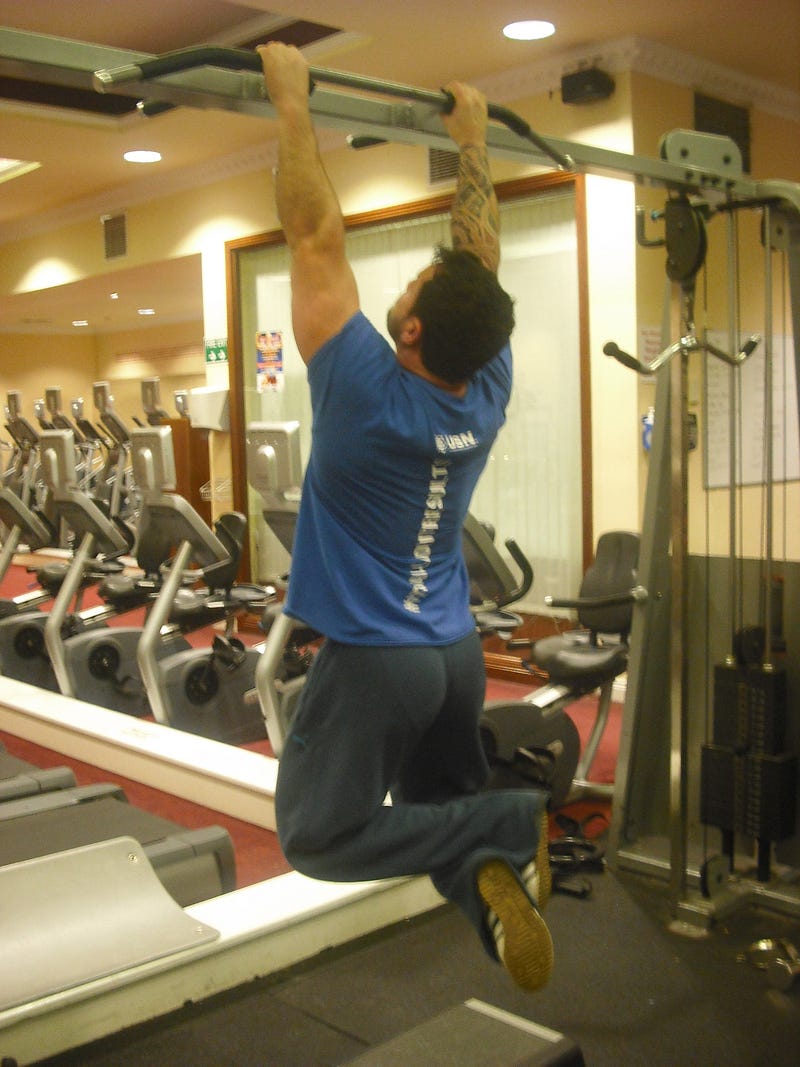
A pull-up or chin-up involves you raising your body up on a stationary bar, as demonstrated by Stephen below.
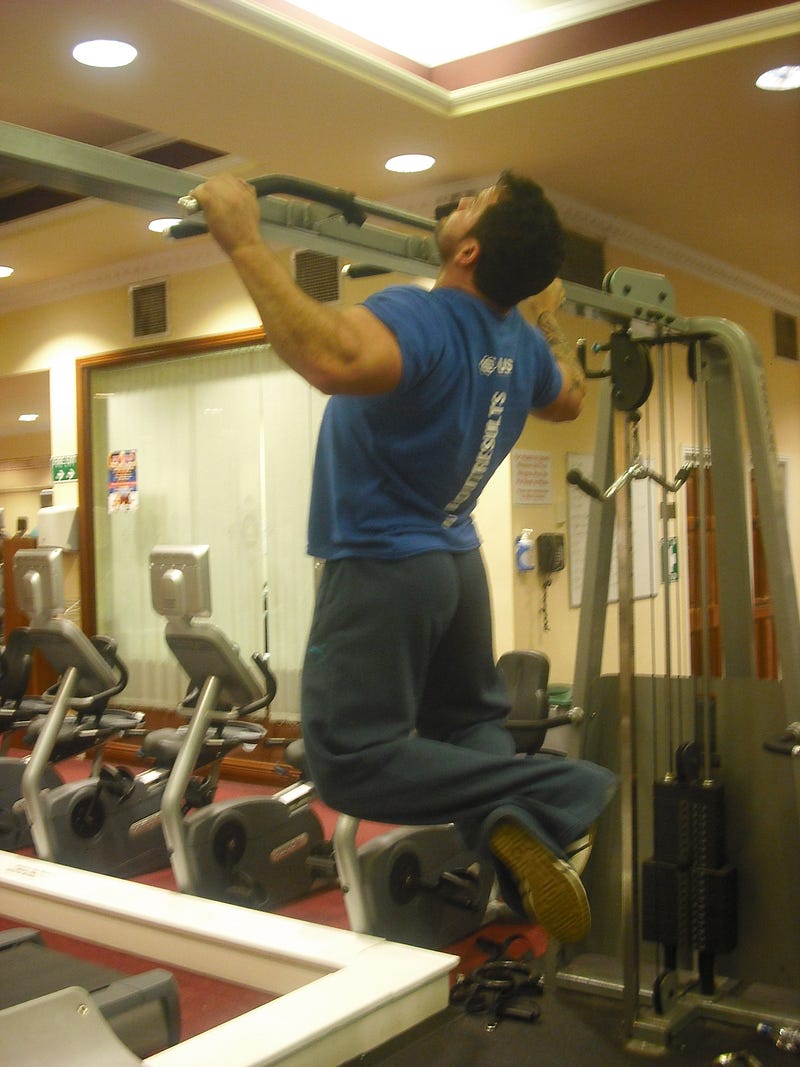
Image by Author & Trainer Stephen Cox — Wide Grip Chin-up

The pull-up is probably of the most effective, yet under-utilized exercise as its ignored by so many because its damn hard.

Weighted chin-ups are the domain of true power.

If you aren’t doing pull-ups, start now.

Variations

Try varying your grip and set, mixing chin ups with pull-ups.
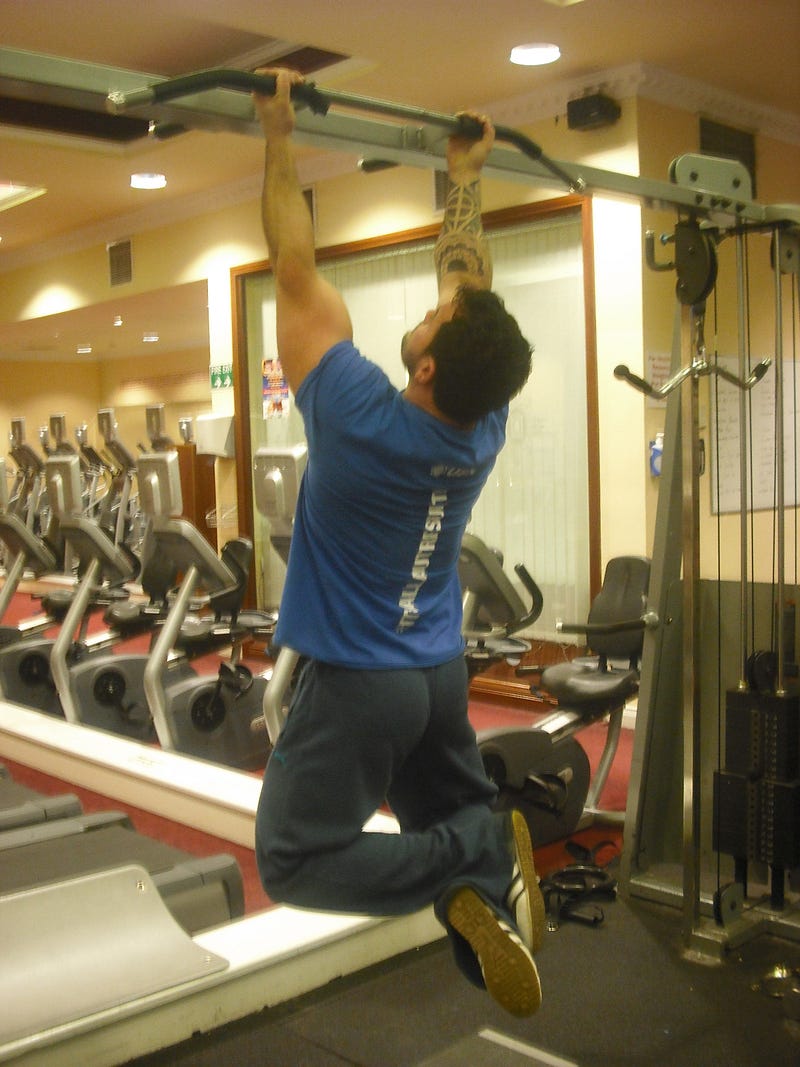
Image by Author & Trainer Stephen Cox of Chin-up grip variations

Get a good stretch at the bottom extension too, and arch your back slightly on the way up. Don’t stress about getting your chin over the bar to start, an inch or two shy is fine, over time you’ll get there.

Always avoid swinging or excess momentum.

Controlled movement is key when doing chin-ups or pull-ups.

№2 — Sitting Pulls

You can sit at a cable machine and pull a weight towards you at high or at low level. Also, you can also sit or stand in front of a cable pulley and pull from various angles, even mixing it up by using one or both arms.
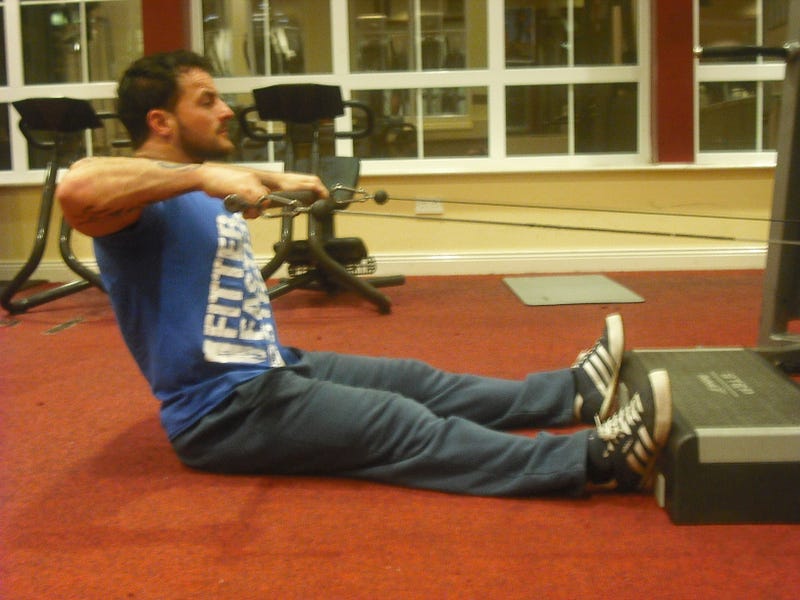
Image by Author & Trainer Stephen Cox showing cable row

There’s also the pullover, in which you take a weight that’s overhead or behind you (while lying on your back) and pull it in an arcing motion until it’s in front of you, over your torso.

№3 — Rowing Pulls

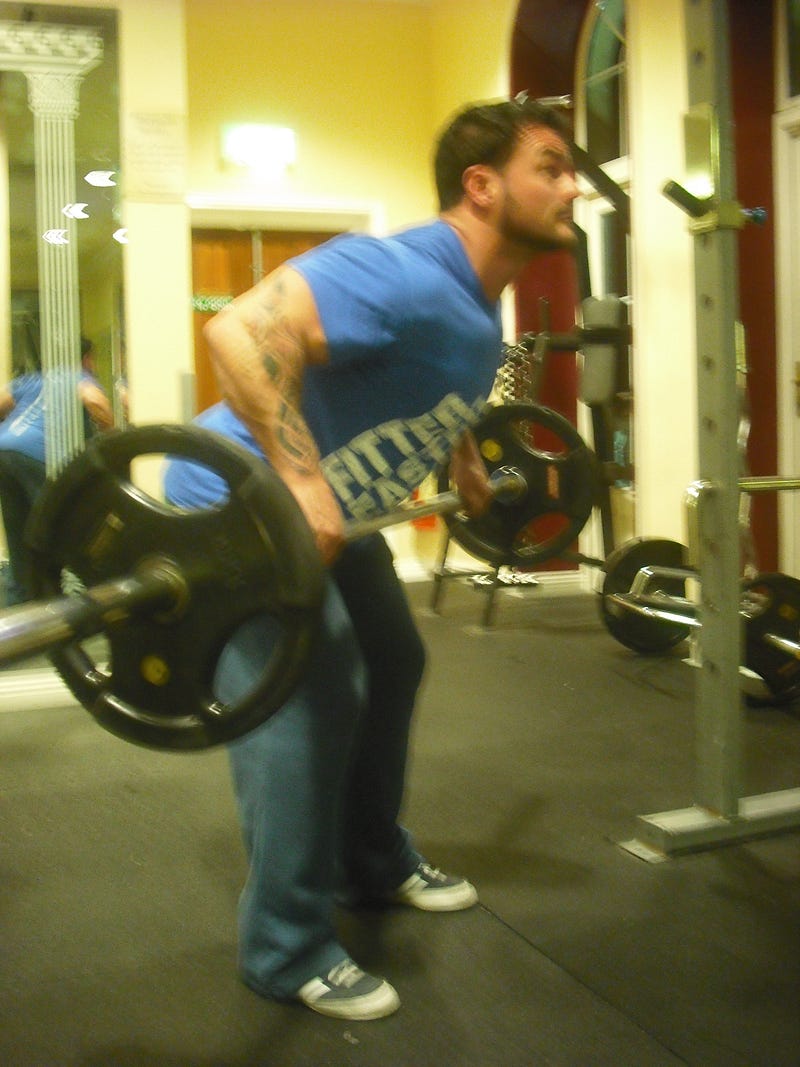
Free-weight rowing exercises are done by bending at the hips so that your torso is at an angle or even parallel to the floor, followed by pulling a weight up to your abdomen, to your hip.
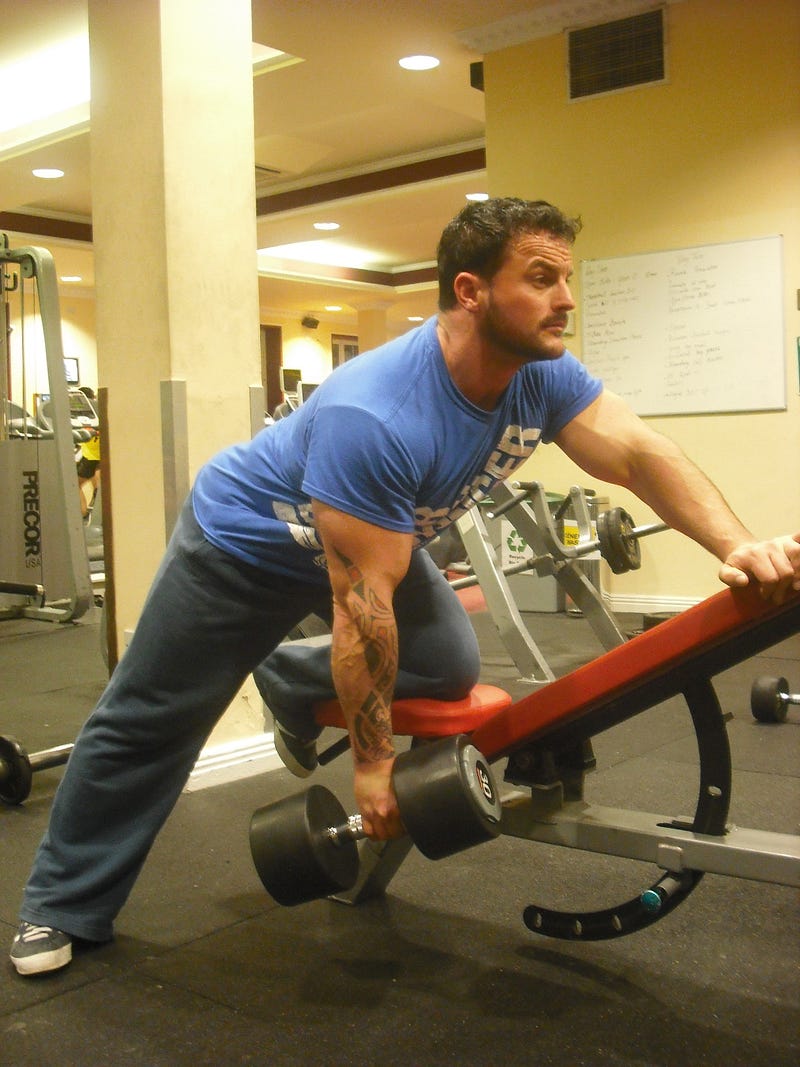
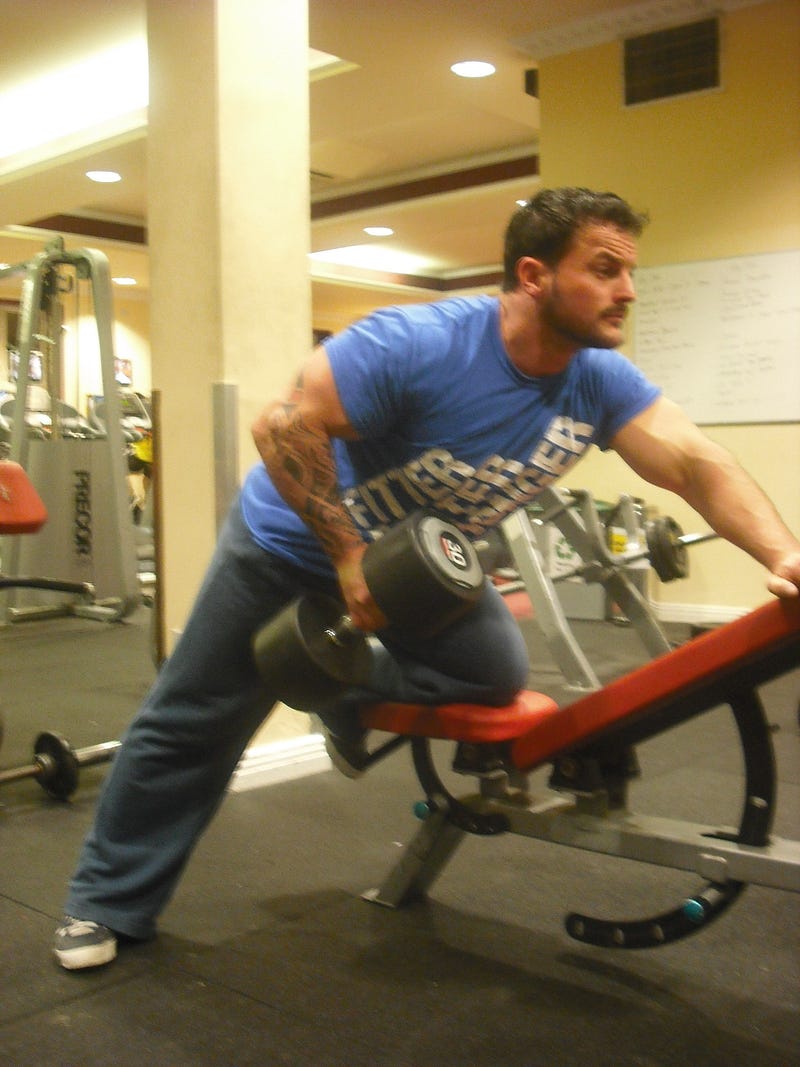
Image by Author & Trainer Stephen Cox showing Dumb-bell pull

The upper-back muscle group, being your ‘lats’ (latissimus dorsi) and ‘traps (trapezius), are predominantly worked during chin ups, but rowing pulls add variation to your workout.

The lats pull your upper arms back towards your torso, when extended overhead or indeed in front of you. Traps on the other hand, your shoulder-blade muscles, pull your shoul­der blades together in a rowing motion, down in a pull-up, or up in a shrugging movement.
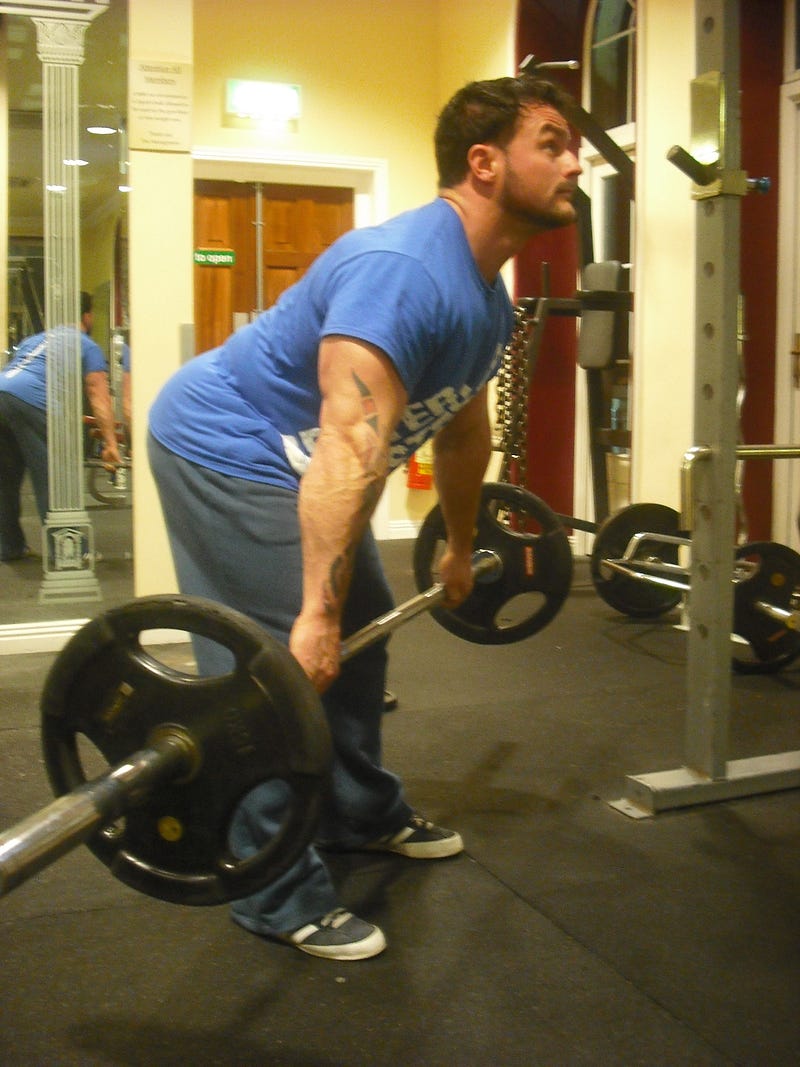
Image by Author & Trainer Stephen Cox showing Bar-bell pull

Your biceps and your forearm muscles aid your lats, and partly your traps in all pulling exercises. So your biceps get plenty of work, more than they’ll ever need by just using pushing or pulling exercises to develop in proportion to the rest of your body.

Don’t waste your time trying to grow your Biceps out of proportion to other muscles as your body will resist.

Balance is the ultimate goal.

Final Thoughts

I’m not claiming that curls or any other isolated exercises don’t do anything. Working any muscle, in isolation or not, is beneficial. So if you want to work them directly far be it for me to tell you otherwise.

My point is that you can get a more comprehensive workout to improve strength by pulling more, engaging multiple muscle groups for a better sweat and more efficient use of your time.

By design, our bodies’ have a physiological resistance so that we don’t develop out of proportion.

Your genetic predisposition is to find balance.

5 Takeaways

No matter what your goals are, the following 5 tips are universal:

№1 — Balance: A rule of nature.

№2 — Shock: Growth can plateau the closer we get to balance as our bodies learn and become more efficient, so never shy away from a healthy shock i.e. mix it up.

№3 — Breathe: Crucial in life, especially when exercising.

№2 — Pull: We know that pulling strength is key for climbing, which was hugely important to our primitive ancestors, it meant life or death in certain situations. So it’s engrained in our DNA.

№4 — Plan and Play: It’s recommended to have an exercise plan, but play around with your schedule and sets to keep your body guessing for optimum results.

So why not climb on board the pulling movement!

Self Improvement
Advice
Fitness
Life Lessons
Self
Recommended from ReadMedium