
Why Popularity of Content Depends on Who is Creating the Work
Our perception of the artist profoundly affects our opinion
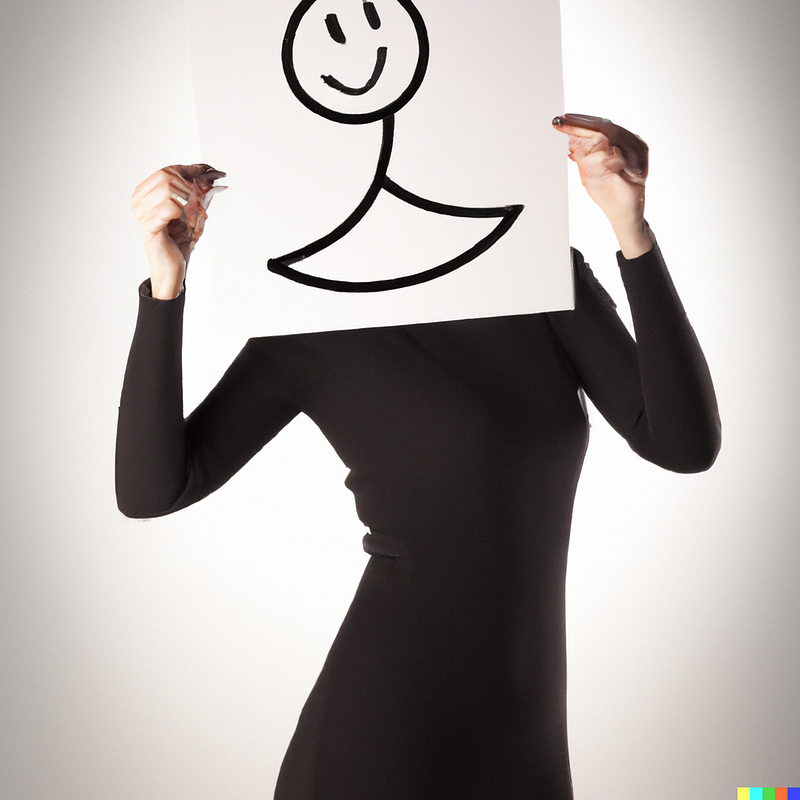
Here’s an experiment.
Think of a piece of visual art, music, or writing that you enjoy. Chances are you’re also a fan of the creator. Now, picture that same piece of work done by someone you find very unappealing. Is the work still as good to you?
I’m going to guess probably not.
The same goes for people who are already regarded as a good artist. If they painted a stick figure on a blank canvas, you’d probably think it was deep and brilliant.
However, a 5-year-old child could create the exact same thing, and it wouldn’t generate much buzz (outside of their family, who would proudly hang it on their fridge).
It’s no surprise that many of the artists I see getting the most love on social media also have created strong personal branding. Aside from being über-talented, they are usually on the right side of history with their politics, or they’re charismatic.
Sometimes, they just have the luck of being naturally attractive in some way, whether it’s how they look or how they talk. We want to see and hear them as much as we do their creations.
Because I know I like an artist, I pay more attention to their art. My brain makes an automatic connection between my admiration for the artist and their work, even if they don’t insert themselves into it. Once I recognize the art in the style of the creator or see their name attached to it, I become less critical of it.
Social media success is down to the creator, not the creations
Now, let’s switch this line of thought to social media celebrities who make a living from their content.
Now, I’d like to start by saying congrats to those who can create content for a living. I’m not writing this to bring you down or out of jealousy (I actually think fame is unnatural and potentially harmful.) I am merely making some observations about why people gravitate to certain content.
Here’s an example from Instagram: A young woman makes a reel of herself playing with her hair or something similar that doesn’t take a lot of effort. Some cool music is added. But then that 10-second clip of a hair flip gets 80,000 likes.
Why?
Is it because people love videos of playing with their hair? Well, yes, a lot of them do. But I also see well-polished posts showing off hairstyling techniques (posts with actual value) that get next to no attention.
So what’s the difference?
It’s because the creator is more likable, hands down. They don’t need to work as hard when they have looks, charisma, and wit to gain viewers. They’re already earned you as a fan of everything they do and say. They could put out a video of them plunging into a toilet, and it will probably go viral.
I’m not singling out women showing off their hair. Many men have managed to turn their loudmouth, angry personalities into huge sources of income. Fans don’t even need to agree with what they say half the time — they just admire the person behind the message. This is why people like Trump are elected and why dudes like Andrew Tate are worshipped.
Most people who try to become influencers (that’s 86% of younger Americans) or famous artists don’t fail because their creations aren’t good. It’s because the public has judged them, and deemed them not to be worthy of praise due to some perceived flaw or not being “interesting” enough. Their work, by extension, is also disregarded, even if it’s brilliant.
The artist and their work are intrinsically linked
They say you should separate the art from the artist, but it’s not that easy. While a creator with a bad personal reputation can lose professional opportunities, the opposite happens when someone is already liked.
Everything they touch turns to gold. Take a look at how much the top 20 Instagram earners get per post.
I’m not saying popular creators don’t work hard. Making content is a full-time job, this coming from a guy who is either writing, taking photos, or experimenting with AI-generated images.
If you don’t already have fame through another channel — for example, being a famous athlete or a reality television personality — then it takes a lot of work to earn any attention and stand out. Even if you have beauty, intelligence, charm, and wit.
The next time you write off content because you’re not excited about the creator, or blindly praise a post because you think the creator is awesome, take a moment. You may be missing out on some great insight from people who just don’t have that “star” quality.
Like me, for example. It’s no surprise that my Instagram art account that doesn’t have my name attached to it is way more popular than the one that does. I’m a nobody in the grand scheme of things — but a nameless account lets people imagine their ideal creator is behind it.
Thanks for reading. Now if you’ll excuse me, I’m going to go re-listen to some Kanye.


