
Why Fame is Unnatural
Constant praise is not healthy for the famous or their fans
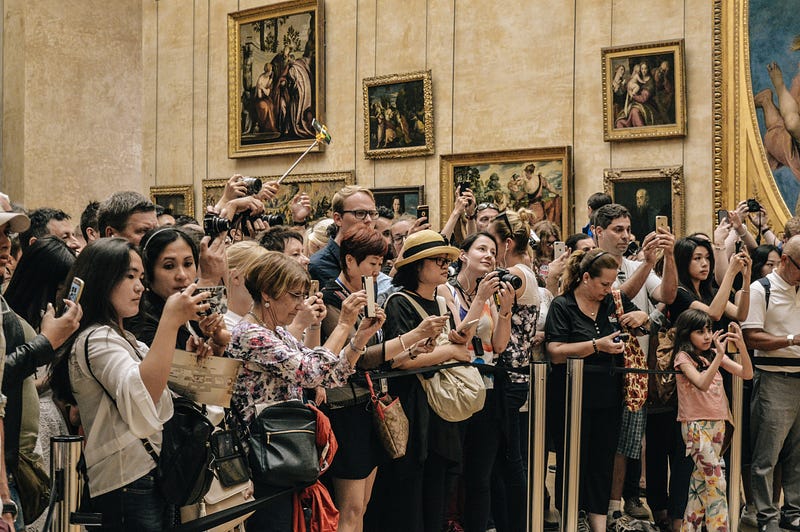
Who didn’t dream of being famous when they grew up — pretending to sing songs on stage, with thousands of fans cheering? To appear on posters and in magazines? To land roles in blockbuster movies?
Well, I did. For a while, anyway. Then my introversion kicked in during my teenage years, and I was thankful to be relatively unknown. I had a small taste of fame in my early 20’s, when I went on a television dating show. I got recognized by some girls at the mall after it aired, and I blushed 50 shades of red before denying I was the same person, scurrying away.
That was it. I knew for sure right then that I wasn’t built to be famous. In fact, I don’t think anyone actually is meant to be in the spotlight all the time — even those who seem to enjoy it.
Don’t get me wrong, it’s nice to be recognized for talents or whatever, but I wouldn’t want people writing about my most recent bowel movements. I don’t know about you, but I don’t know of any people who are constantly making movie appearances, attending press galleries, and signing autographs without the need to retreat for a while. Even the biggest extroverts need some downtime, and that includes not seeing their personal lives smeared all over the media.
There’s an element of perverseness to following celebrities — their lives are the stage, and we’re eagerly watching with popcorn in hand. While some celebrities seem to thrive off this exhibitionism (a.k.a. reality television stars), they’re often filmed while they’re blind drunk — which never ends well for them (aside from maybe a fat paycheck.)
It’s not just television stars that seem overwhelmed by their own fame. In the music world, we romanticize the struggling musical genius that pops pills before their set. “They’re so deep and tragic,” is what some of us would say. But it could just be that they are doing show after show in a different city every night, and are running on fumes.
These icons are constantly berated by screaming fans, some who get through security for selfies and autographs. The rest of the time when they’re not preparing to perform, they’re on television or radio to talk about their latest tour.
Fame is a bad side effect of success
“But they chose that life, bro!” That’s probably what you’re thinking.
Well, yes, and no. At any point, they could probably retreat to a remote island. But even then, the paparazzi would still find them eating chips straight from the bag in their underwear.
Okay, but why did they allow themselves to get famous in the first place is what you’re asking now. As I said before, I’m definitely not famous, so I don’t know for sure. But I suspect it’s because they were following their dream — whether that was to be a musician, an actor, a writer, or a TikTok influencer — and things got out of hand.
Perhaps they are just a child, being told by adults with ulterior motives (money) about how special they are. Next thing they knew, BAM! They’re reluctantly thrust into the spotlight to become the face of some big product line, or sing in a packed arena. (Fame also robs people of a normal childhood, which is definitely not healthy for development.)
Suddenly these people had 1M followers on social media, and entertainment magazines were calling them for interviews. However, they need to feed the media machine almost daily in order to stay relevant and continue doing what they love.
They know if they dip into obscurity, they may never make a comeback — and they probably already have a mansion and Ferrari payment to consider.
When did fame become famous, anyway?
Is fame a modern construct? Well, maybe. I didn’t dive too deeply into the internet for this one, but apparently the world’s first celebrity was Sarah Bernhardt, who was an actress in the later 1800’s. Apparently, it wasn’t even her choice to act — it was apparently a suggestion from the Duke of Morny.
But during her career, starting from around 1862, Bernhardt would become a stage darling.
“The early portion of this period was marked by roles unsuited to her talents and offstage personality conflicts,” reads the article. She would later lose a leg (due to a stage injury), and then die at the age of 79 due to uremia from kidney issues.
Perhaps she is a rare example of someone who comfortably basked in glory. However, while she was immensely popular, she wouldn’t have had to face the same level of pressure as more modern celebrities. The paparazzi evolved during the 1950’s. There were no late-night television show appearances to worry about. She didn’t have to manage her reputation online, or keep her personal photos from being hacked. No one got daily updates about her life on Twitter the way we do about celebrities now.
Perhaps if she were alive today, she would make a viral TikTok video about the unnatural pressures of fame. Or maybe she’d tell me I am wrong. We’ll never know.
The long link between fame and illicit drug use
However, you don’t have to go too much further to see the ill effects of fame on other well-known people. Consider poor Judy Garland, who, as a teenager, became horribly addicted to drugs during the filming of Wizard of Oz. It was encouraged for actresses to pop stimulants to keep them at their best for their audiences, despite the negative impact on their health.
Those who pulled the strings demanded she remain thin and energetic for the screen. To achieve this, she was on a steady diet of barbiturates and amphetamines.
She fought addiction and mental illness the whole time leading up to a fatal overdose at age 47.
While it might seem like she had a charmed life with one of the most famed movie roles of all time, it was likely anything but. Various substances would surely have numbed any joy she got from the spotlight.
I seem to be picking on actresses a bit here. But the side effects of fame can strike anyone. There’s a long list of actors who also succumbed to various drugs, presumably to cope with their high-profile life. Notable deaths include Philip Seymour Hoffman, Michael Jackson, Heath Ledger, Jim Morrison, and River Phoenix.
This is just the tip of the iceberg, but it points to a pattern of fame and reckless behavior. They had achieved a level of success they might not have expected, and it became more difficult to maintain their existence. Everyone wanted everything from them, and they wanted it done perfectly and all the time.
If the fame doesn’t swallow your soul, your fans might
Then there are others, like Bernhardt, who seemed to revel in fame but had negative outcomes partly as a result of being famous.
Look at John Lennon, shot dead in 1980 because a crazed fan didn’t like his stance on God. More specifically, the murderer was mad because Lennon had alluded to the band being bigger than Jesus. He also apparently didn’t like the fact that the Beatles icon was rich, yet sang about having “no possessions” in his famous song, Imagine.
While Lennon maybe did enjoy being famous, he was sought out and killed because of his fame and influence. He said the wrong thing, and the wrong person (among millions) heard it. In this way, his fame was toxic.
It’s not just me guessing that celebrities are unhappy with being famous. Quite a few of them, from Billie Eilish to Harrison Ford, have voiced their disdain for it. From unfair media criticism, to complete loss of privacy, and even unhinged stalkers, it seems some of them regret becoming so popular.
Fame does the rest of us no favors
Now let’s look at this from their audience’s perspective. We mindlessly worship a number of celebrities, and hang off their words even when they’re completely wrong. They have more power than politicians and scientists, and it’s all because we willingly give it to them.
We’ve heard this loud and clear in the past couple of years through the pandemic. Even respected celebs like Madonna jumped into the conspiracy theory black hole recently. While some celebs have apparently admitted to spreading false claims, the damage had already been done.
Thanks to the power of the media, their skewed views have already been firmly implanted in our collective brains, overriding our common sense.
Civilization doesn’t thrive on fame
Despite what some people in the capitalist world may think, most humans rely on each other to survive. In that way, we are socialist creatures.
When one of us gets disproportionate attention and importance placed on them, it can be bad for both the famous person and society as it creates a power imbalance, as well as unrealistic expectations. We revere the famous as if they are gods who can save us all — they cannot.
It’s okay to admire some celebrities, especially if they are doing some good for the world through charities or other humanitarian efforts. However, our obsession with famous people, or becoming famous, is not a healthy one. Eventually, the rabid fame will catch up to you — physically, emotionally, or both.
While you may achieve your goal of having millions of followers and a seat at your favorite restaurant any time you want, you will probably not like the realities that come with being recognized all the time.
At that point, there may be no other option than to simply disappear.
Instead of dreaming of becoming famous from a young age, perhaps our life goal should be to become comfortably anonymous. You can get all the love and attention you need from a modest circle of friends and family, fulfill yourself creatively, and make decent money without becoming a headline for people to debate during their lunch hour.