avatarFit$

Free AI web copilot to create summaries, insights and extended knowledge, download it at here

1552

Abstract

to move away from super professional-looking, polished images in the application.</p><p id="8a37">During the initial brainstorming phase, one day, our co-founder shared a joyful picture that his son had drawn of an astronaut jumping in glee. The vibrant colors and the imperfect lines bore the uncontained energy of a 6-year-old. The imperfections were perfect for the playfulness we wanted to instill in our app. There is a lot of tension and tedium in the process of getting fit, our hope was to add some color and playful curiosity into the process.</p><figure id="9d64"><img src="https://cdn-images-1.readmedium.com/v2/resize:fit:800/1*[email protected]"><figcaption>Astronaut image as drawn by our co-founder’s son</figcaption></figure><p id="cd77">We decided that we will use the artwork done by our kids as the images that go along with the cards. Our little stars did a remarkable job in generating striking images that no professional illustrator could match (we tried even that just to see how it felt).</p><p id="1e8f">A key by-product during the development of the app (or when we wrote the Children’s book) was that of <i>inclusiveness.</i> Regardless of how the app proceeds or the book performs — <b><i>we will always cherish the pride the kids felt when their work made it into the end product</i></b>. It is sort of a different way of hanging up our kids' artwork on a digital refrigerator.</p><p id="c395">Our children’s book effort was captured in the long-form here</p><div id="f3fc" class="link-block"> <a hr

Options

ef="https://fitdollar.medium.com/why-write-a-childrens-book-4f86abd78bc"> <div> <div> <h2>Why write a children’s book?</h2> <div><h3>Like any story that aspires to be good, this story has three parts. We will call them the ‘Why’, ‘How’ and ‘What’.</h3></div> <div><p>fitdollar.medium.com</p></div> </div> <div> <div style="background-image: url(https://miro.readmedium.com/v2/resize:fit:320/1*vanAmuedsS-Zin30sI3czg.jpeg)"></div> </div> </div> </a> </div><p id="ec33">As we get ready to release the app into the beta phase, I thought it is a good time to reminisce on this part of our journey, document and share it with you. Thanks for reading.</p><figure id="4b90"><img src="https://cdn-images-1.readmedium.com/v2/resize:fit:800/1*[email protected]"><figcaption>Cards in the marketplace — with iterations coming on improving their look</figcaption></figure><p id="1cb1"><a href="undefined">Ann Venkataraman</a> had penned a good post regarding differentiating content. When I started writing on medium, part of it was going to be describing some of the aspects of product development, part research-based topics that I found interesting (like the one on <a href="https://readmedium.com/balance-the-physical-connection-in-your-mind-67f4f93153ca">Balance</a>). Please check her write-up <a href="https://readmedium.com/whats-your-moat-d9aa399c04d">here</a>.</p></article></body>

Why our cards were drawn by our kids?

More than a decade ago, I was teaching undergraduate students in my role as a part-time assistant. It was a great experience and one of the interesting parts was the energy interacting with the students. Even now, when I think about the vibrant enthusiasm, I sometimes feel like going back to college to teach. The reason, I bring up the image of this energy is because we wanted to capture some of that magic in our product development.

For additional context, you can read about the background of our product in this separate article that I had posted sometime back.

When we were doing the development of our product, we introduced the element of gameplay very intentionally. The card strategy we introduced with this approach was meant to be simple, childish fun. We purposefully wanted to move away from super professional-looking, polished images in the application.

During the initial brainstorming phase, one day, our co-founder shared a joyful picture that his son had drawn of an astronaut jumping in glee. The vibrant colors and the imperfect lines bore the uncontained energy of a 6-year-old. The imperfections were perfect for the playfulness we wanted to instill in our app. There is a lot of tension and tedium in the process of getting fit, our hope was to add some color and playful curiosity into the process.
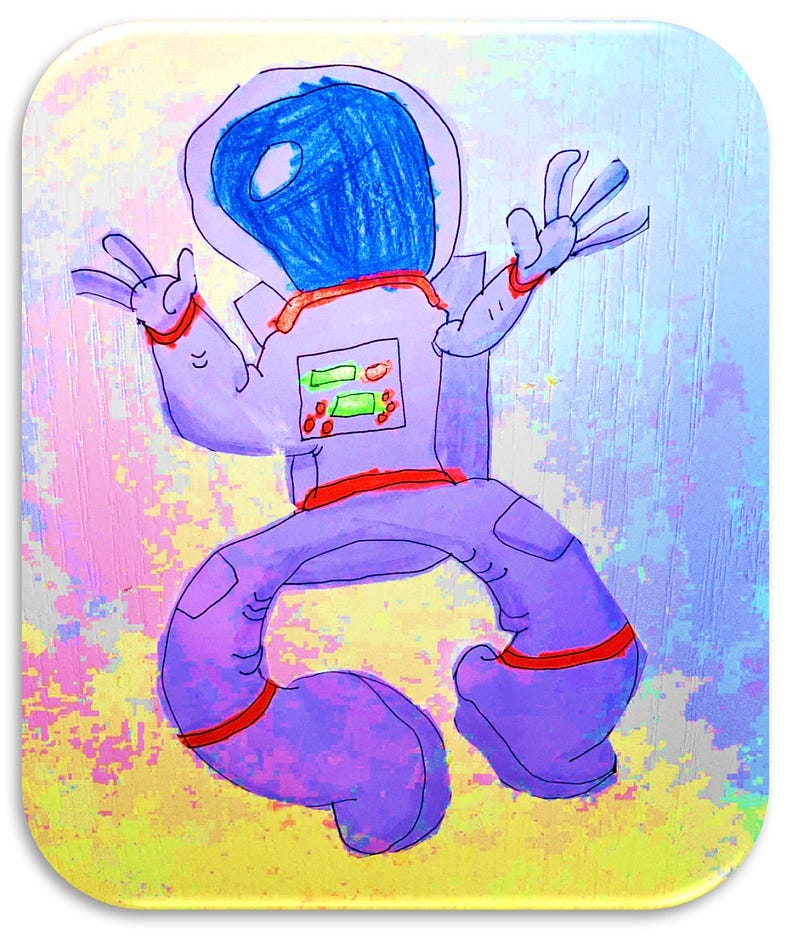
Astronaut image as drawn by our co-founder’s son

We decided that we will use the artwork done by our kids as the images that go along with the cards. Our little stars did a remarkable job in generating striking images that no professional illustrator could match (we tried even that just to see how it felt).

A key by-product during the development of the app (or when we wrote the Children’s book) was that of inclusiveness. Regardless of how the app proceeds or the book performs — we will always cherish the pride the kids felt when their work made it into the end product. It is sort of a different way of hanging up our kids' artwork on a digital refrigerator.

Our children’s book effort was captured in the long-form here

As we get ready to release the app into the beta phase, I thought it is a good time to reminisce on this part of our journey, document and share it with you. Thanks for reading.
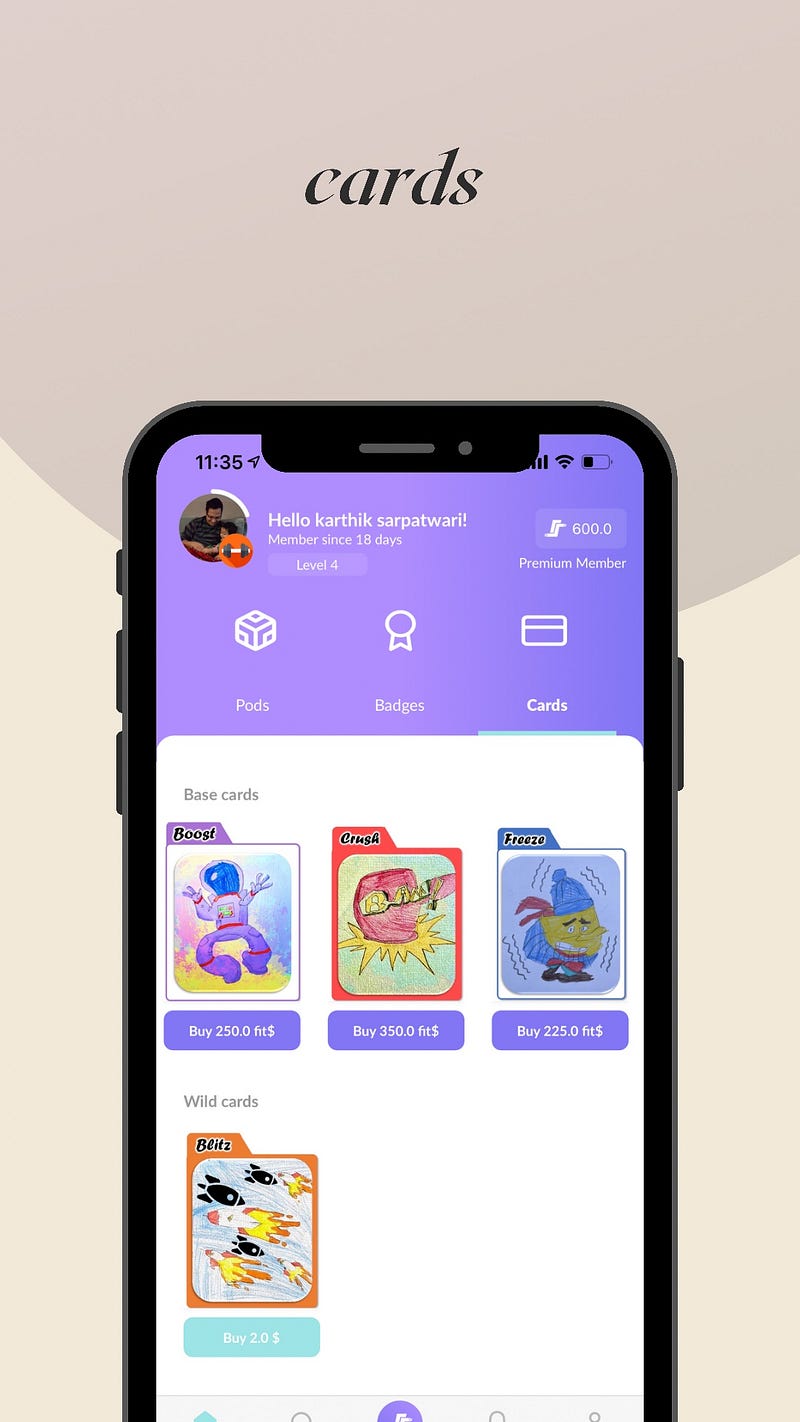
Cards in the marketplace — with iterations coming on improving their look

Ann Venkataraman had penned a good post regarding differentiating content. When I started writing on medium, part of it was going to be describing some of the aspects of product development, part research-based topics that I found interesting (like the one on Balance). Please check her write-up here.

Coffee Times Movement
Recommended from ReadMedium