
LANGUAGE|CULTURE
Why Japanese Fans Cleaning at World Cup Isn’t Normal Yet ‘Atarimae’
Japan, where everyone from children to company presidents cleans up
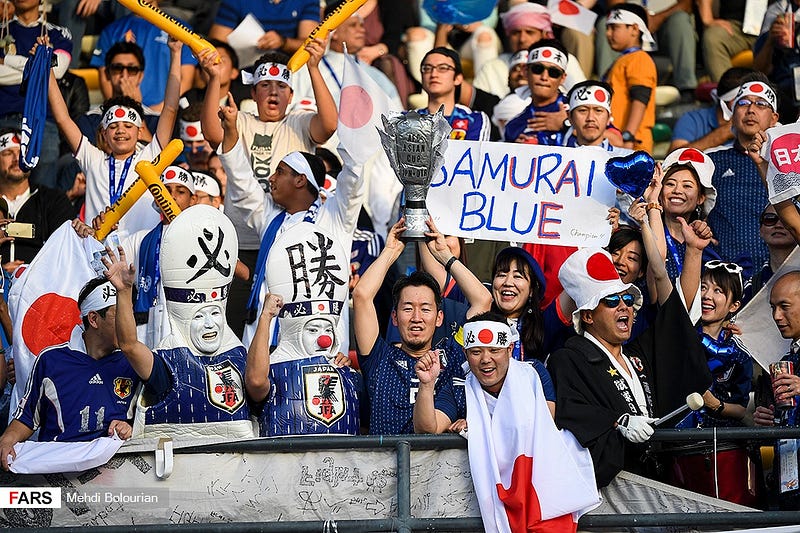
When Japan stunned Germany in its World Cup opener, many news sources covered the behavior of the Japanese fans after the astounding match who picked up trash and left the stadium spotless. FIFA’s tweet went viral, and netizens loved this selfless act.
People Asked Why: It’s ‘Atarimae’ for the Japanese
Even after the devastating loss to Costa Rica, Japanese supporters didn’t skip this ritual, which made yet another round of news coverage. Journalist Sandra Gathmann went deeper and asked Japanese supporters why they cleaned the stadium. They casually replied,
because it’s ‘atarimae (nothing special)’!
A female supporter even answered it’s atarimae for her to leave the stadium cleaner than the way she found it before the game.
In fact, the tidiness of Japanese supporters is not a one-off event. They’ve been praised for this behavior at the World Cup every four years, and fans do the same thing after J-League games—the Japanese professional league.
Cleaning Up at School and Work
The real root that makes this virtue ingrained in Japan is cleaning up routine at school. Children are responsible to keep their classrooms clean, encouraged to grab brooms and wet cleaning cloths. Although COVID has changed this everyday ritual at some schools, many teachers still believe in the educational value that tidying up can offer.
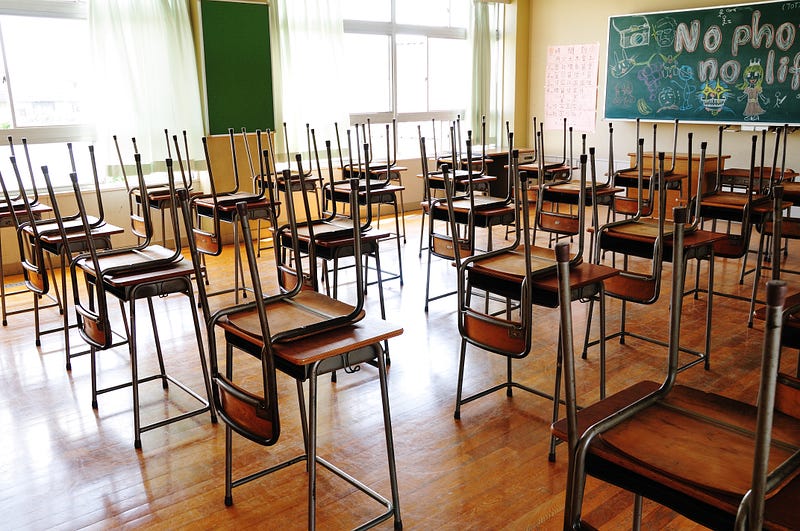
It is not uncommon even for business owners to let their employees clean their offices for better communication and teamwork. According to research, 70% of Japanese company presidents clean bathrooms by themselves either at work or at home for good karma, partly because of the influence of Kōnosuke Matsushita, the founder of Panasonic who touted the importance of tidiness to seek success in business[1].
What Exactly Does Atarimae Mean?
Back to the topic, this was the first time that the word atarimae came into the spotlight, so let me explain this word a little more.
Atarimae is a tricky, multi-faceted word. Dictionaries define it as natural, reasonable, common, and obvious, but these words don’t connote the full nuance of atarimae. It can be used in either a condescending or humble manner, so let’s look into real-life situations.
学生は学業を優先するのが当たり前だ。 It’s natural that students put their schoolwork first.
親友なら秘密は守るのが当たり前だ。 If you’re my best friend, you’re expected to keep my secrets.
Now you may be able to see atarimae is used in contexts where people have certain expectations considered common sense, and it indicates Japanese people’s perfectionism, too. But it shouldn’t be overlooked that when people in power use this term, it suddenly includes harassing connotations.
The Dark Side of Japan’s Atarimae
When I asked my Twitter friends if this word is worth a spotlight, Alex Steullet gave me a great heads-up.
Probably worth explaining to overseas audiences that it’s also used to perpetuate practices that are not always positive…
Since the word is based on people’s assumptions, it can be toxic, too. Here are some outdated yet prevalent atarimae examples you still hear (or witness) in Japan.
- It’s atarimae for men to work overtime, even at the expense of their families.
- Cooking is an atarimae must-have skill for women.
- It’s atarimae to pour a glass of alcohol for your boss.
It is undeniable that atarimae is a reminder of the too-strong sense of community—the peer pressure in Japan. However, it is also true that Japanese supporters voice their pride in this word. They don’t say this aloud, but it’s the Japanese way of saying:
It’s nothing special for us because we’re different from undisiplined fans. We’re part of Samurai Blue, don’t you see that?
Japan’s Atarimae Is Rather Arigatai
Japanese monks preach that the antonym of atarimae is 有り難い (arigatai). It’s a compound word from 有る (aru, exist) and 難い (katai, difficult), which makes the meaning of the adjective thankful and grateful because it’s not common.
Cleaning up the stadium might be nothing special for Japanese supporters, but it’s mind-blowing for the rest of the world. Some might laugh at the non-wokeness of Japan, but at least I’m grateful for them because it’s a rare act of respectfulness for soccer and all the people involved.
Speaking of the etymology of arigatai, the word for gratitude, arigatō comes from arigatai. So a big ありがとう (arigatō) for Samurai Blue and all the Japanese fans, and I wish Japan another historic win against Spain!
Source:
[1] 社長の7割が「トイレ掃除」担当 業績アップのためなら!Excite News
If you enjoyed this article, discover other works of the author at Japonica.
Follow Yuko for more stories about cross-cultural topics, travel, business, parenting, and equality. You can also subscribe from the referral link, which Medium uses a portion from followers for author support without any additional cost. Mediumの購読はこちらからどうぞ。


