avatarBrian E. Wish, PhD

Free AI web copilot to create summaries, insights and extended knowledge, download it at here

3826

Abstract

ded hundreds of journalists not just at the brigade level, but down with the troops. They rode on armored personnel carriers and reported on progress. They told soldier’s stories.</p><p id="f72b">During the occupation, most journalists went home. Those remaining faced diminished access. The press again became the enemy, setting itself up in opposition to the Bush administration and using negative coverage of the war as a cudgel. The military lost faith in their partners.</p><p id="b965">Much of the negative coverage was, of course, justified due to on-going missteps. Better planning on what to do with the remaining Iraqi armed forces and for de-Ba’athification might have prevented years of civil war. But would the reporting have been any more negative if journalists had retained access? Or would the United States have skipped the denial stage and moved to fix its problems quicker?</p><figure id="658b"><img src="https://cdn-images-1.readmedium.com/v2/resize:fit:800/1*qDAaJMivne0rbe5roDz72Q.jpeg"><figcaption>Portland, Oregan. Image by <a href="https://pixabay.com/users/12019-12019/?utm_source=link-attribution&amp;utm_medium=referral&amp;utm_campaign=image&amp;utm_content=1840765">David Mark</a> from <a href="https://pixabay.com/?utm_source=link-attribution&amp;utm_medium=referral&amp;utm_campaign=image&amp;utm_content=1840765">Pixabay</a></figcaption></figure><h2 id="ed8d">Start with Portland</h2><p id="7477">Nightly riots rock Portland, Oregon, one of the most progressive cities in the country. With only 5.6% of the population black, why has a mostly white crowd spent fifty or more nights protesting for racial justice? Is 2020 Portland a hotbed of injustice? Or does Portland just like to riot, <a href="https://www.oregonlive.com/portland/2016/11/anti-trump_protests_held_for_f.html">as in 2016</a> when the country elected President Trump?</p><p id="9fe7">There is some good local reporting; <a href="https://www.oregonlive.com/news/2020/07/saturday-evening-protests-planned-at-holladay-and-peninsula-parks.html">this piece</a>, for example, lays out events in a fairly dispassionate way. But the country needs more.</p><p id="d79c">A detailed daily briefing should dissect the previous night’s events. Maps of downtown would show areas blocked off and incidents of violence or vandalism. Leaders could discuss numbers of arrests plus injuries to police and protestors. Embedded reporters in the field would hold the briefers accountable through direct observation. If the police have nothing to hide, why not invite reporters in to observe daily operations?</p><p id="d89e">Mayor Wheeler claims that after weeks of unrest Portland finally had things under control until federal reinforcements arrived. The crowd had a <a href="https://www.oregonlive.com/news/2020/07/portland-mayor-police-chief-hold-press-conference-to-discuss-protest-violence-watch-live.html">‘lack of targets’</a> and was running out of energy. Is it true that after <b>seven week</b>s Portland was going to reclaim downtown, or is the mayor shifting blame to Trump to distract from an ineffective response? Embedded reporting would tell us the answers. In fact, if it was widely known that the protests were winding down, federal agents might not have been dispatched.</p><p id="57a1">The situation in Portland only deteriorated with the introduction of large numbers of federal officers. Ostensibly there to protect federal property, the country now hears reports and watches videos of Americans snatched off the street in unmarked vehicles by unknown personnel. Whether they had probable cause and whether the situation justified the tactics no longer matters. The indelible image runs counter to how Americans see themselves.</p><p id="8e46">Imagine instead if the feds had a reporter embedded. The reporter could watch inv

Options

estigations in progress and attend pre-operation meetings. The reporter would observe any developed probable cause. If the reporter rode in the vehicle, America could get a first-hand account of the tactical situation.</p><p id="3b35"><b>Who’s in charge of the federal efforts in Portland? What’s going on? The people have a right to know.</b></p><h2 id="285f">“Cops” to the future</h2><p id="ffbd">After thirty-two seasons, the Paramount Network canceled the television show “Cops.” Critics argue <a href="https://www.latimes.com/entertainment-arts/tv/story/2020-06-11/running-from-cops-live-pd-canceled-podcast-police">the show glorified police</a> by painting unrealistic pictures of police life. Crimes were distorted, minorities were stereotyped, and minor criminals, prostitutes, and drug addicts were exploited for ratings.</p><p id="a8a5">The show also humanized the police, showing the people behind the badges and uniforms. Reality shows display the worst, cut out the rest, and pack it all into thirty minutes. Still, it’s undeniable that police deal with tough situations on a regular basis. Critiques of the show generally focus on the editing of the show to unfailingly portray a certain narrative. The veracity of most of the incidents is not in question.</p><p id="b830">What would a ride-along on riot night look like with an objective journalist, or at least a reasonably honest journalist reporting observations? They would still report on police violence. They would still call out officers at protests observed using excessive force. They still report when a truly peaceful protest was broken up with tear gas and clubs.</p><p id="5108">They might also report when bricks and bottles come flying in. They might also report on protesters screaming vile insults at police and <a href="https://www.foxnews.com/us/dc-white-protester-yell-face-black-police-officers-part-of-problem">accusing them of racism</a> as if each and every one of them had personally snuffed out the life of an innocent. They might just report how police routinely counter with infinite patience and professionalism.</p><div id="23b3" class="link-block"> <a href="https://readmedium.com/what-if-the-police-revolt-ca5a44ba4790"> <div> <div> <h2>What If The Police Revolt?</h2> <div><h3>Two ways that anti-police sentiment could go very wrong</h3></div> <div><p>medium.com</p></div> </div> <div> <div style="background-image: url(https://miro.readmedium.com/v2/resize:fit:320/1*ZNlms5oKjQlScmatAsPfMQ.jpeg)"></div> </div> </div> </a> </div><div id="9fcc" class="link-block"> <a href="https://readmedium.com/four-hard-truths-of-police-reform-84addf214e0b"> <div> <div> <h2>Four Hard Truths of Police Reform</h2> <div><h3>The blue wall, competency, fragmentation, the broken windows approach, and much more must all be addressed to make…</h3></div> <div><p>medium.com</p></div> </div> <div> <div style="background-image: url(https://miro.readmedium.com/v2/resize:fit:320/1*-cFClszZHmUII4V8bFAVew.jpeg)"></div> </div> </div> </a> </div><p id="f65c"><i>Brian E. Wish works as a quality engineer in the aerospace industry. He has spent 29 years active and reserve in the US Air Force, where he holds the rank of Colonel. He has a bachelor’s from the US Air Force Academy, a master’s from Bowie State, and a Ph.D. in Public and Urban Administration from UT Arlington. The opinions expressed here are his own. Learn more at <a href="http://brianewish.com/">brianewish.com.</a></i></p></article></body>

Why It’s Time To Embed Journalists With Police
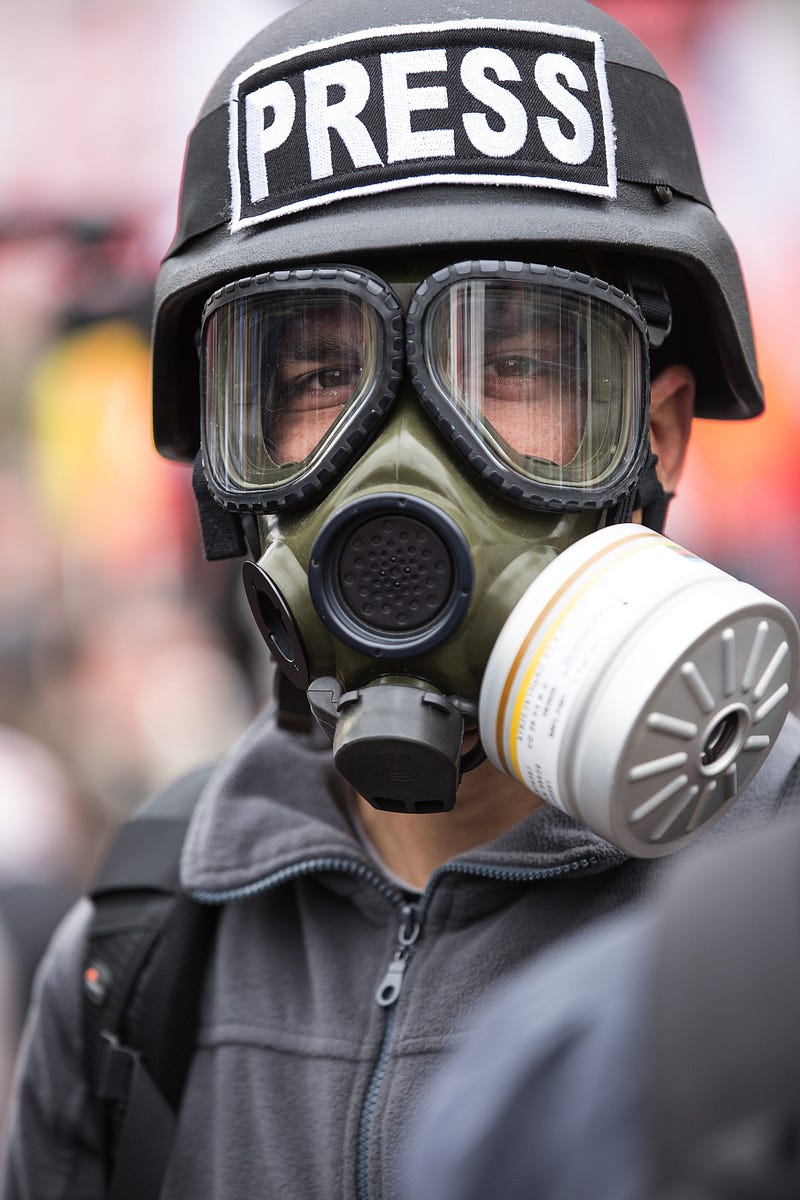
Image by Engin Akyurt from Pixabay

The media are still a vital part of our democracy

Instead of treating journalists as enemies, local and federal law enforcement should learn the military’s lessons from Desert Storm and Iraqi Freedom. If you can’t control the news cycle, open yourself to reporting. The American people are frustrated. Peaceful protests attacked by police? Violent mobs burning down cities? How can you tell? Viral videos uploaded to the internet by citizen reporters are admirable but provide no context.

Fox News and talk radio ignore complex and pervasive problems in policing. Every protest is a riot, every shot or shove is justified. While taking offense at those who call America a racist society they also ignore structural inequality and its historical roots. In their view, the president stands for justice and freedom and personally holds back anarchy, and he’s only criticized when he’s not tough enough.

CNN, MSNBC, and papers like the New York Times push an unrelenting narrative. The media present elites and the state as oppressors because critical theory flows through their veins. The tragic and senseless homicides of George Floyd and Breona Taylor opened another avenue of attack. The president tries to position himself as a friend of law and order, so portraying police as brutal and racist appeals even more.

How can millions of interested Americans as well as people around the world know what’s happening? There is a better way.
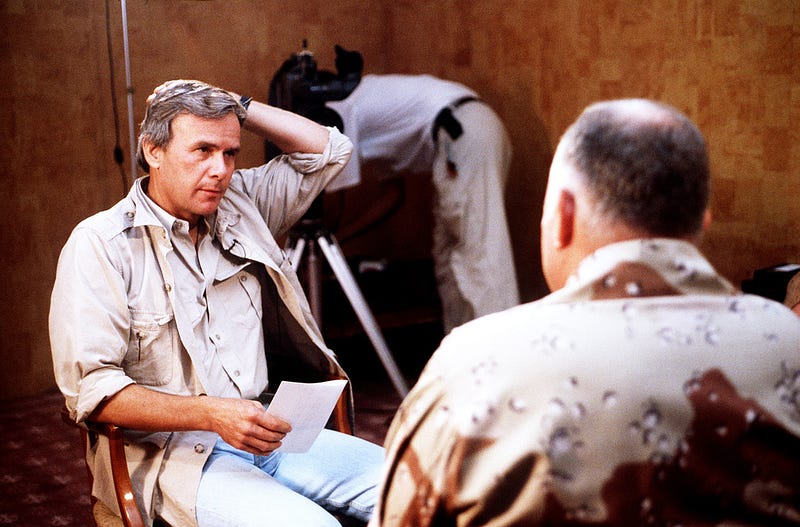
“NBC Nightly News” anchorman Tom Brokaw, left, talks with GEN. H. Norman Schwarzkopf, commander in chief, U.S. Central Command, prior to taping an interview. Schwarzkopf commands the U.S. forces in the region for Operation Desert Shield. Photo by JO3 Gerald Johnson.

The military experience

One school of thought believes that American journalism caused the US defeat in Vietnam. Perhaps the loss did stem from the American people losing confidence, but solely blaming the press ignores the complex reality. Regardless, the experience of leaders who were young during Vietnam, like Colin Powell and Norman Schwarzkopf, informed the US media strategy for the future.

The military determined that while the press may remain adversarial, open and transparent communication could allow them to present their side of the story. Regular briefings by Schwarzkopf during Desert Storm became a staple of news consumption. Americans watched him and responded to his apparent forthrightness. Journalists were embedded at the brigade level. Sharing information built trust, and media reports stayed generally positive.

The United States repeated this success during the maneuver phases of the Iraq war. Coalition forces embedded hundreds of journalists not just at the brigade level, but down with the troops. They rode on armored personnel carriers and reported on progress. They told soldier’s stories.

During the occupation, most journalists went home. Those remaining faced diminished access. The press again became the enemy, setting itself up in opposition to the Bush administration and using negative coverage of the war as a cudgel. The military lost faith in their partners.

Much of the negative coverage was, of course, justified due to on-going missteps. Better planning on what to do with the remaining Iraqi armed forces and for de-Ba’athification might have prevented years of civil war. But would the reporting have been any more negative if journalists had retained access? Or would the United States have skipped the denial stage and moved to fix its problems quicker?
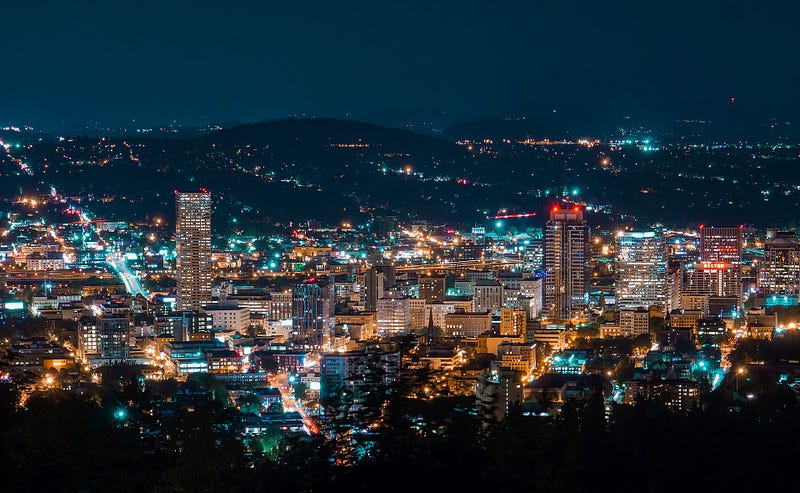
Portland, Oregan. Image by David Mark from Pixabay

Start with Portland

Nightly riots rock Portland, Oregon, one of the most progressive cities in the country. With only 5.6% of the population black, why has a mostly white crowd spent fifty or more nights protesting for racial justice? Is 2020 Portland a hotbed of injustice? Or does Portland just like to riot, as in 2016 when the country elected President Trump?

There is some good local reporting; this piece, for example, lays out events in a fairly dispassionate way. But the country needs more.

A detailed daily briefing should dissect the previous night’s events. Maps of downtown would show areas blocked off and incidents of violence or vandalism. Leaders could discuss numbers of arrests plus injuries to police and protestors. Embedded reporters in the field would hold the briefers accountable through direct observation. If the police have nothing to hide, why not invite reporters in to observe daily operations?

Mayor Wheeler claims that after weeks of unrest Portland finally had things under control until federal reinforcements arrived. The crowd had a ‘lack of targets’ and was running out of energy. Is it true that after seven weeks Portland was going to reclaim downtown, or is the mayor shifting blame to Trump to distract from an ineffective response? Embedded reporting would tell us the answers. In fact, if it was widely known that the protests were winding down, federal agents might not have been dispatched.

The situation in Portland only deteriorated with the introduction of large numbers of federal officers. Ostensibly there to protect federal property, the country now hears reports and watches videos of Americans snatched off the street in unmarked vehicles by unknown personnel. Whether they had probable cause and whether the situation justified the tactics no longer matters. The indelible image runs counter to how Americans see themselves.

Imagine instead if the feds had a reporter embedded. The reporter could watch investigations in progress and attend pre-operation meetings. The reporter would observe any developed probable cause. If the reporter rode in the vehicle, America could get a first-hand account of the tactical situation.

Who’s in charge of the federal efforts in Portland? What’s going on? The people have a right to know.

“Cops” to the future

After thirty-two seasons, the Paramount Network canceled the television show “Cops.” Critics argue the show glorified police by painting unrealistic pictures of police life. Crimes were distorted, minorities were stereotyped, and minor criminals, prostitutes, and drug addicts were exploited for ratings.

The show also humanized the police, showing the people behind the badges and uniforms. Reality shows display the worst, cut out the rest, and pack it all into thirty minutes. Still, it’s undeniable that police deal with tough situations on a regular basis. Critiques of the show generally focus on the editing of the show to unfailingly portray a certain narrative. The veracity of most of the incidents is not in question.

What would a ride-along on riot night look like with an objective journalist, or at least a reasonably honest journalist reporting observations? They would still report on police violence. They would still call out officers at protests observed using excessive force. They still report when a truly peaceful protest was broken up with tear gas and clubs.

They might also report when bricks and bottles come flying in. They might also report on protesters screaming vile insults at police and accusing them of racism as if each and every one of them had personally snuffed out the life of an innocent. They might just report how police routinely counter with infinite patience and professionalism.

Brian E. Wish works as a quality engineer in the aerospace industry. He has spent 29 years active and reserve in the US Air Force, where he holds the rank of Colonel. He has a bachelor’s from the US Air Force Academy, a master’s from Bowie State, and a Ph.D. in Public and Urban Administration from UT Arlington. The opinions expressed here are his own. Learn more at brianewish.com.

Politics
Government
Media
Justice
Society
Recommended from ReadMedium