
Why Is It Important to Consume Content Carefully
Not all information is knowledge.

What do you do when you wait in line to buy coffee or wait for a friend at a restaurant? Scroll on your phone? Guessed so. And no, this isn’t another article telling you why you should not scroll and how it is harming your brain cells.
Conscious content consumption is being mindful about what you consume. Anything that makes you anxious, sad, a sense of lack, jealousy, or any negative emotions — is not worth consuming.
Doing this can make you more creative, productive, and happier.
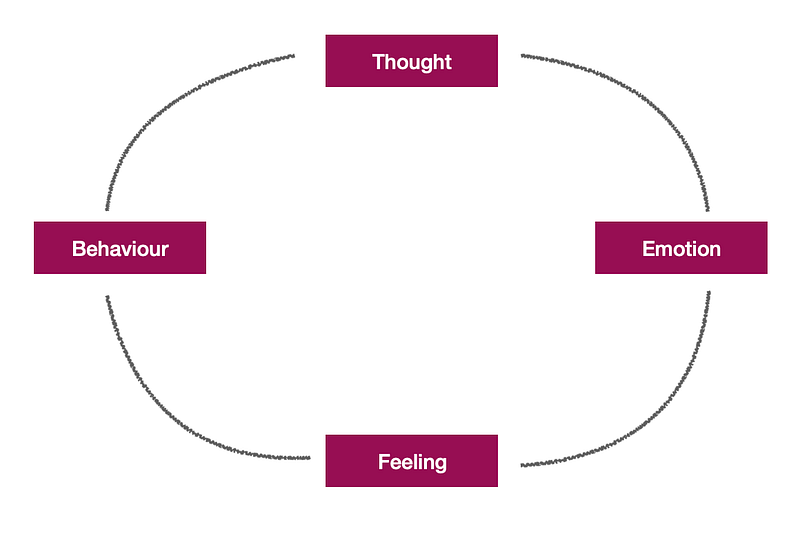
There’s an impact on what you see because it makes you feel a certain way. That feeling affects your mind and body and impacts your behaviour, which leads to more of such thoughts. It is a vicious cycle.
For e.g., you see an influencer younger than you being successful. This will make you sad and perhaps jealous, and make you feel you’re not good enough and you’re unlucky. You’ll develop a self-image of not being good enough and carry out behaviour knowing you’re one of the unlucky ones. It’s a vicious downward spiral.
See how negatively it impacts your life?
Say you see an influencer getting paid heavily to sit at home and talk about certain brands. You see her birthday being lavish and her dress costing more than your house rent...
You see hundreds of such pictures and videos every month, which leads to negative subconscious thoughts. So how can you make your content consumption healthier?
Some examples of daily (negative) content include:
- People on LinkedIn talking about a lack of work-life balance (but still working at that job they dislike)
- Preaching about how to be an excellent leader (but they’re not even leaders themselves)
- Talking about best practices in marketing (when they don’t have solid experience in it)
I’m a part of a WhatsApp group from a freelancing webinar I attended. 90% of the posts shared are about courses screenshots of something insightful on LinkedIn.
Is it helpful? Yes. Do you need to read it? Nope.
The only thing worse than not learning is over-learning, especially now when we’re in the age of access (and ‘mis’) information.
You only need to consume what adds value to you, and of course, what entertains you.
But consuming content that adds little or no value to you, or worse, harms you, should be avoided at all costs. The worst thing about content that negatively impacts you is that you don’t even know it’s impacting you negatively!
I had a buzzing influencer Instagram account with 11,000+ followers and dreamy travel pictures. It’s only when I quit social media for 7 months did I realise how it negatively influenced me by taking away my basic senses. I wanted to ‘story’ everything and show everybody my life, without truly living it.
That so-called informative content and facts are hard fact-checked. People sharing a story in the name of ‘standing up’ for something hardly make a difference.
Similarly, checking your WhatsApp or your social media feed about things that are going wrong from people who have no credibility doesn’t really add any value. Please check an ethical news channel instead.
The online world has plenty of people preaching loudly, you need to follow those who have depth in what they’re saying, which is built after having experienced what they’re talking about.
It’s easy to write a status about the habits of successful people after having read one (or a few) inspirational books. It would be a lot more valuable if that person actually did something groundbreaking because then their ‘lessons’ will be more profound.
You should reduce the content that is hurting your subconscious self, it’s like a silent attack you don’t see.
The only way to figure this out in the first place is when you’re aware of your emotions, which comes with being in touch with your mind through this really fancy practice called meditation, which is suddenly #trending. The ancient practice is increasingly becoming famous because the world has realised there’s an issue and this is the medicine that can help cure.
After that, judge when you see something. If you’re scrolling,
- Is reading/watching this post worth it?
- Is it going to help you in any way?
- Is it even that entertaining?
If not, move on.
Once you become more aware of your emotions, check how you feel seeing certain posts. This practice actually made me mute everyone on Instagram except dog pages.
I realised I don't want to know what the world is up to. I just want to know what my friends are up to, which I can check on my own. That way, I have control over what I see instead of my feed having control over me.
In this age, when things are moving fast and online, we need to get a little slow and offline for our own good.
Being aware of how you respond to what you interact with will help you choose what to indulge in.
I wish you happy mental and physical health.
Subscribe to my (free) weekly newsletter about health, travel, and personal development — https://niharikasodhi.substack.com/


