
Why I’m Giving Up on “Cheat Meals”
It feels like another bad habit I’ve given up recently…
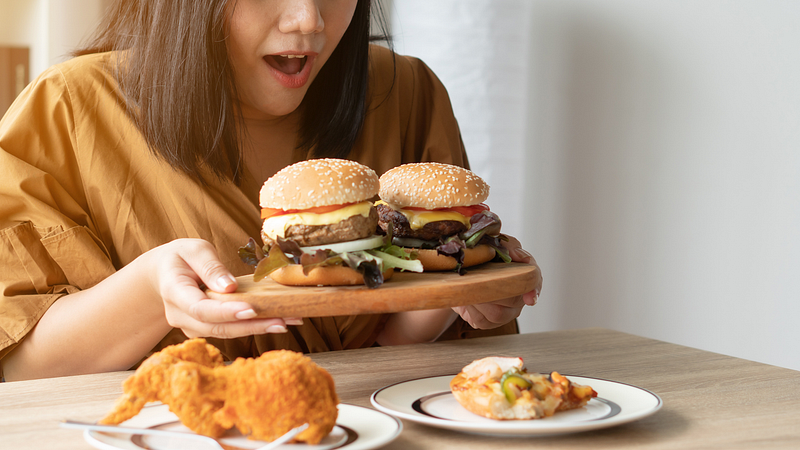
It’s taken me months to get my eating under control. One reason has been my addiction to cheat meals.
Here’s why I don’t think “cheat meals” are good for you — and why they’re even worse for me.
Refeeds and diet breaks
“Cheat meals” are supposed to be a “break” from your normal diet. The idea is that you’re strict with yourself for six days and then, on the seventh day, you have one meal — or even an entire day — where you let loose and eat whatever you want.
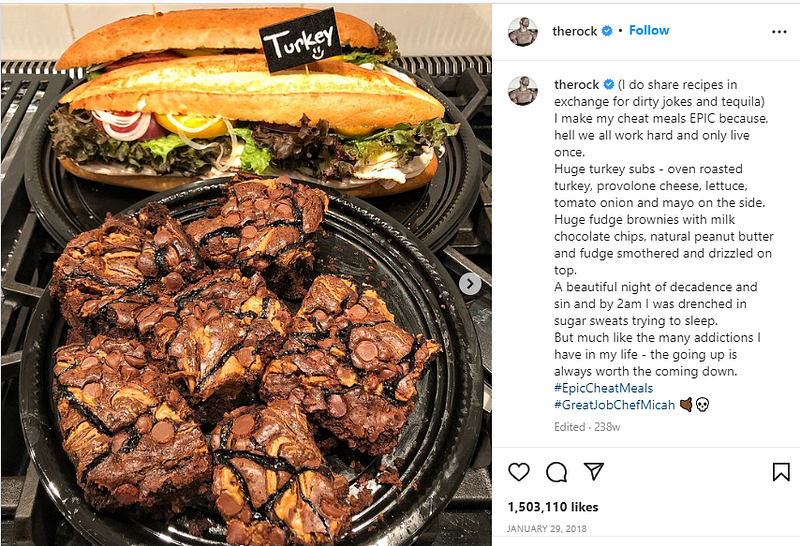
Cheat meals have been around forever. But they’ve gained additional prominence in the social media age. Athletes and bodybuilders like The Rock grab tons of clicks with snaps of their over-the-top cheat days — a mukbang for the health-conscious.
Now, there are some benefits to “taking a break”. Bodybuilder Jeff Nippard did a great video where he looked at multiple strategies for modulating one’s diet. They included refeeds (eating more once or twice a week to regain energy), taking a two-week “diet break”, and steady-state (eating the exact same calories every day).
The results? All three strategies worked for fat loss and weight maintenance. Participants who took a diet break lost weight more slowly. However, they were more likely than people who used the other two models to sustain their fat loss over time.
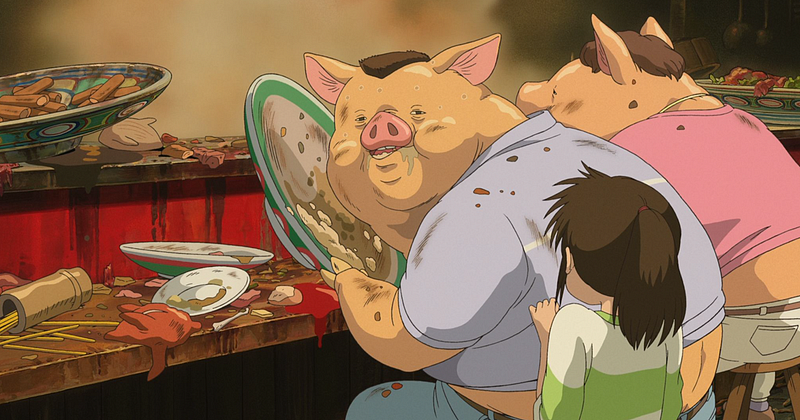
But note that, in the studies that Jeff reviews, participants aren’t scarfing down troughs of food like Chihiro’s parents in Spirited Away. Most are eating around +500 on their refeed or “cheat” days.
Interesting aside: Even participants who took a break and were unrestricted in what they could eat didn’t exceed +500 calories on average above their “diet” days. The good eating habits they developed stayed with them.
“Cheat meal” is poor framing
When we talk about “cheat meals”, we’re thinking about nutrition all wrong.
For most of us, “diets” are about deprivation. We starve ourselves for six days and then “make up for it” with a binge.
I’ve made this mistake myself. For six days, I’d bring my calories down to a ridiculous level relative to my physical activity. I’d be eating as low as 2,000 calories/day when my maintenance was closer to 3,000.
One night a week, I’d lose it and eat everything in sight. Peanut butter & jelly sandwiches, pizza, cake, pizza & jelly sandwiches. Anything fatty, carby, and sugary that’d give me a dopamine jolt.
I’d eat so much that I’d wipe out my hard-earned gains from earlier in the week.
That’s the danger with “cheat meals” or “cheat days”. If you’re overly restrictive with your calories most of the week, you can go so overboard on your “free day” that you might as well have not even tried.
Just a different kind of binging
There’s another factor at work in my case, though.
I could count on one hand the number of times I drank and it didn’t end in a bingefest. If you’re not binging, I reasoned, you’re not doing it right.
Binge drinking always came with binge eating. Hey, I needed something to soak up all that booze, right? Couple a craving for fat and carbs with a loss of impulse control and you’re talking a whole lotta calories.
I’ve been sober for over a year. And every time I’ve had a “cheat night”, something about it has felt awfully familiar.
It took me a while but I finally put my finger on it:
Binge eating is no different than binge drinking.
It’s a harmful behavior that trades health and wellness for a dopamine rush.
Fitness trainer Dan Go put it better than I ever could: “Celebrating weight loss with a cheat meal is like celebrating sobriety with a drink.”
Don’t deprive yourself
So what’s the better strategy for fat loss?
First, stop thinking about “diets”. Throw that word out the window.
Figure out your maintenance calories — the amount you need to eat to sustain your current weight. Then cut it down by 300 to 500 calories. I’d start at a more gradual 300 calories for two weeks and then adjust as needed.
You’ll know you have it right if you feel full, satiated, and energized. You shouldn’t feel like you’re depriving yourself on a proper nutrition plan.
And by all means, feel free to treat yourself once in a while. My wife and I have designated Thursdays (Critical Role night!) as Dessert Thursday. I help myself to morsels like a piece of pound cake with blackberry sauce. (Pro tip for US citizens who live near a Safeway: their chocolate cake is the Best. Thing. EVER.)
I don’t regard this as “cheating”. It adds between 500 to 600 calories, which brings me up to maintenance.
It’s a reasonable treat. After eating, I feel like I had fun but not gross. I no longer eat until I feel like the Alien baby’s about to erupt from my stomach.
Your nutrition should be a plan you can stick to your entire life. If it’s a good plan, there’s plenty of room to treat yourself on occasion.
Just don’t call it cheating.
What to read next
I’m a writer sharing advice and insights about living a healthy and happy life. Be sure to follow me! Not a Medium member? Become a member today and keep up with all my posts, including my exclusive Medium members-only content!


