
Why I Value Family Dinner
The importance of eating together.
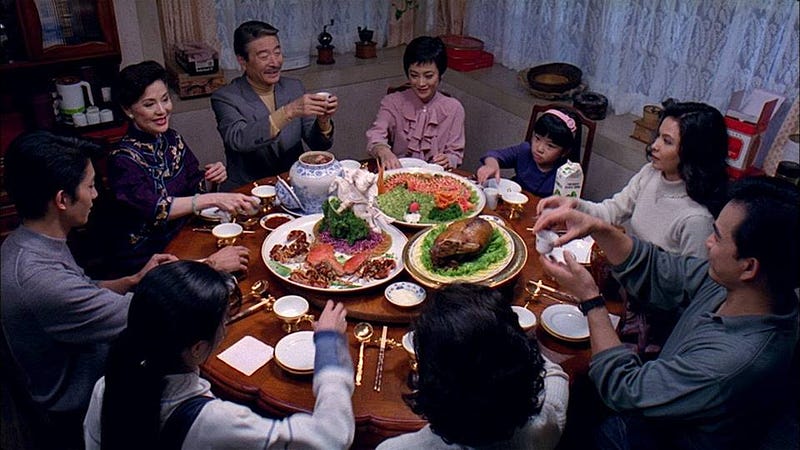
There is an unspoken rule about not touching the wet napkins provided by the Chinese restaurant during family dinner. Everybody in my family understands this. The Chinese restaurant will not charge for the wet napkins, and it will be excluded from the bill.
It just seems natural for my family to unite against the restaurant for a single cause: to save some pennies. It is a subtle but socially acceptable form of behavior, a simple act that gives me a sense of belonging and unity. I bet many Asian families practice this during their family dinners too.
Family centric meals is still a tradition followed by Asians around the world, even though solo dining is a common sight nowadays.
In Singapore, where I live, it is typical for Chinese families to dine together, especially during the weekends. Family dinner is a weekly affair that I always look forward to. It is heartwarming to know that everybody in the family puts aside their schedule to eat together on a routine basis.
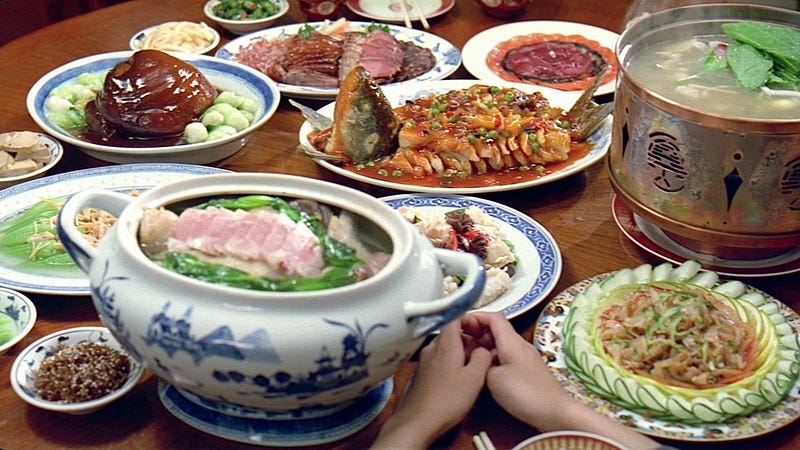
A typical Sunday evening for me looks like this.
My family will gather and pick a place to have dinner. Most of the time, we will sit around a circular table at a local Chinese restaurant. Chatter is ever-present as the scent of Pu’er tea lingers in the air. The waiters move with great haste as they serve a multitude of hungry people waiting eagerly for their dishes to come.
As usual, my mum flips through the menu. The waiter recommends the specials for the day while jotting down our orders furiously and walks back to the kitchen in a hurry. As we wait for the dishes to be served, we share conversations and discussions that range from politics to inside jokes, while our glasses are constantly refilled with hot Chinese tea.
Familiar dishes like sweet and sour pork, with its oversaturated orange hue, and steamed Cantonese sea bass topped with generous amounts of scallions and ginger, come to our table. My siblings and I prompt my grandparents, out of courtesy and respect, to take the bite-sized dish with their chopsticks first. The communal dishes are usually paired with white jasmine rice and enjoyed with gusto.
There is no fancy or pretentious molecular gastronomy, only the classics of Chinese cuisine. It is simple, honest, and delicious.
These are the simple joys of eating. However, there are also practical benefits to having a family dinner.
Eating together improves physical health.
Family meals contribute to better eating habits.
A recent study in JAMA Network Open shows that family meals is associated with a healthier diet, especially among adolescents. Teens who had frequent family dinners were more likely to consume a higher intake of fruits and vegetables, and a lower intake of fast food and sugary beverages. According to the study, these findings apply to all types of families, regardless of how functional or dysfunctional it is.
As a TIME article also explains, eating alone frequently has its dangers as well.
According to research published in Obesity Research & Clinical Practice, people who eat most of their meals alone may be at increased risk for heart disease and diabetes. The study found that men who dined solo at least twice a day were associated with increased abdominal obesity and metabolic syndrome as compared to those who always dined with others. The risk for unmarried men who ate alone was significantly higher for metabolic syndrome, in contrast to men who said they usually dined with someone else.
Women have lesser noticeable effects. The risk for women who never ate alone was lower, as compared to those who dined solo at least twice a day. (However, when researchers accounted for socioeconomic and lifestyle factors, the difference vanished.)
This is because people who eat alone are often lonely, socially isolated, and have unhealthy eating habits, according to previous studies.
Simply put, it is more beneficial to eat together with others in contrast to eating alone.
I feel that I am more conscious of what I am putting in my mouth when I eat together with my family. There is this awareness to eat at a slower pace which improves my digestion, and I actually enjoy the food more regardless of what I am eating.
Eating together improves mental health.
Family meals develop happy teens.
According to a review by a group of Canadian researchers, frequent family dinners help in the prevention of eating disorders, alcohol and substance use, violent behavior, depression, and suicidal thoughts in adolescents. Young female study participants were especially likely to reap the benefits of family meals.
Basically, eating together contributes to healthy minds.
I actually get valuable advice and emotional support through my family meals. While waiting for the food to be served, eating together provides me the perfect opportunity to voice out my concerns and worries to my loved ones.
Eating together improves family relationships.
Family meals is more than just sharing food around the table.
It is a great bonding activity that brings people closer together, one bite at a time. Human relationships are vital to one’s wellness and communication is key. Communication is an aspect of relationships that is vital but often neglected, as it requires time and effort.
My grandma will sometimes place food in my bowl. It is a sign of affection in Asian culture. It is simply a way of saying “I love you” not through verbal communication, but through food.
However, dining together as a family somehow makes communication seems effortless. During my family dinners, everybody speaks in a casual tone, and is in a relaxed state. Nothing too serious is spoken around the table, and having a conversation does not seem forced.
My grandma will sometimes place food in my bowl. It is a sign of affection in Asian culture. It is simply a way of saying “I love you” not through verbal communication, but through food. I always appreciate this simple act that is passed down from generation to generation.
After all, actions speak louder than words. I choose to eat together with my family because I value my relationships, and I am willing to make time for family dinner.
If you tend to struggle to spend some time with people important in your life, give your loved ones a call and make it a point to eat together. Because a family that eats together stays together.
“One cannot think well, love well, sleep well, if one has not dined well.”
— Virginia Woolf
Do you want to read more stories like this? Click here to become a member today!


