
My Quest to Discover Good Cooking
What I learned from Salt Fat Acid Heat.
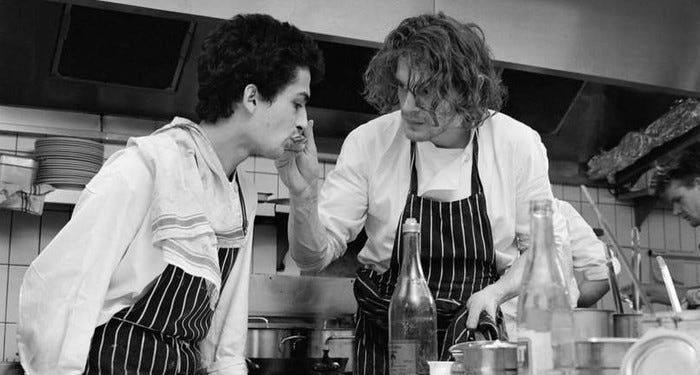
My obsession to figure out good cooking started when I found the food documentary, Salt Fat Acid Heat on Netflix. Since then, I watched the documentary and read the book cover to cover.
As a home cook, this philosophy of cooking fascinates me, as I am always trying to cook better for my family and friends. The problem with recipes is that it provides steps to produce a dish, but it won’t teach you how to cook. I am writing this because I feel that sharing this knowledge will help any home cook to improve their cooking tremendously, and I hope that by sharing this it will help in your culinary adventure.
Salt
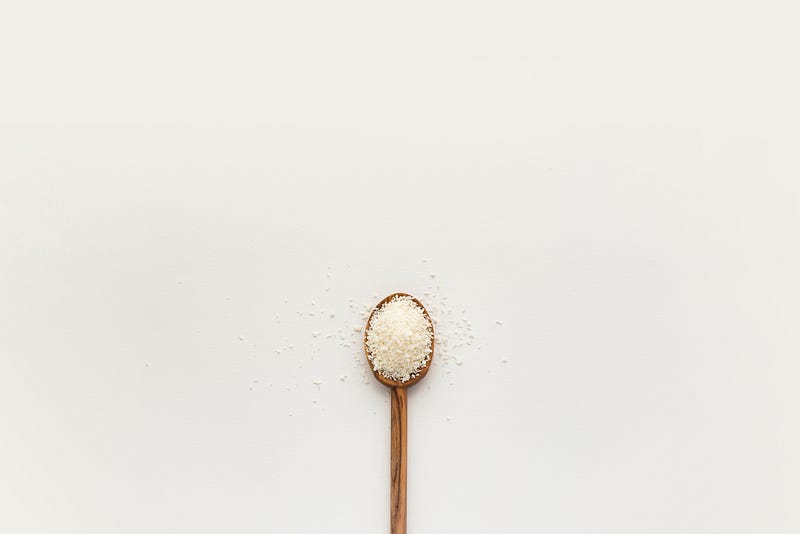
In every corner of the world, people use salt to season their food. It is fundamental to all good cooking, and one of the few elements that unite all cuisines.
Salt has its particular taste and enhances the flavor of other ingredients. If you use salt properly, it minimizes bitterness, balances out sweetness, and enhances the aroma. Salt can heighten our experience of eating.
When you cook, keep two kinds of salt on hand. Have an inexpensive one such as sea salt or Kosher salt for everyday cooking, and a special salt with a pleasant texture, such as Maldon salt or fleur de sel, for garnishing food at the last moment. You should become familiar with the taste, feel, and how it affects the flavor of the food.
Salt isn’t just limited to crystals. Olives, cheese, pickles, capers, soy sauce, and miso are all sources of salt. You should think about the different sources of salt you can work with to get a deeper layer of flavor in your food.
When you season with salt, it comes down to three basic decisions to make in your cooking. You should decide when to salt, what to layer with salt, and how much salt you should use.
Time is a crucial variable to salting, and this depends on the ingredients you are seasoning. You should season meat in advance, and season fish just before you cook. Grains such as rice or quinoa can be salted less aggressively than the water for blanching vegetables, as this depends on how long your food spends in salted water. A longer cooking time gives salt a chance to diffuse evenly throughout, hence the amount of salt you use depends on the cooking time too.
Abandoning precise measurements when using salt requires a leap of faith. You have to learn to trust your senses to guide you, and the best way is to salting with your hands. Make salt the first thing you notice as you taste and the last thing you adjust before serving a dish.
Fat
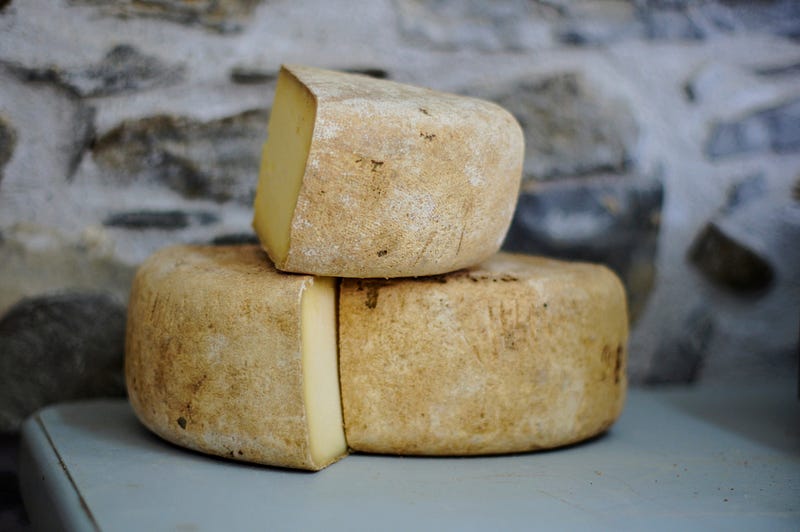
Fat defined entire cuisines. Southern cooking relies heavily on bacon fat and lard. French cuisine is defined by the rich taste of butter. Before you turn on the stove, the most important decision you can make is to choose the right cooking fat.
The essential flavor of any dish starts with the fat it’s cooked in. Fat adds its unique flavor to a dish. It can amplify other flavors in a recipe. In short, fat makes food delicious.
Different fats have different flavors. To select the right fat, get to know how each fat taste, and in which cuisines it’s commonly used. Olive oil, butter, seed and nut oil, and animal fats are all common sources of fat.
Fat plays three distinct roles in the kitchen. It can act as the main ingredient, as a cooking medium, or like salt, as a seasoning. The same type of fat can play different roles in your cooking, depending on how you use it. The first step is to identify the primary role fat will play in a dish.
The fat that acts as the main ingredient will bind various ingredients together. Fat can play a textural role too. For flaky, creamy, and light textures, fat is the main ingredient. For crisp textures, it’s a cooking medium. Fat can play either role for tender textures. If it’s used to adjust flavor or texture at the end of cooking the dish as a garnish, it’s a seasoning.
Crispness results from food’s contact with hot fat and water evaporating from the surface of the food. For creamy and rich textures, emulsions are often involved in it. Mayonnaise, vinaigrette, butter, and ice cream are all emulsions. An emulsion happens when two liquids are forced to bind together to form something creamy and rich. To create tender, flaky, and moist textures found commonly in pastry, fat can limit or control gluten development.
Food that is too dry, or needs just a bump or richness, can always be corrected with the appropriate oil, or another creamy ingredient.
Acid
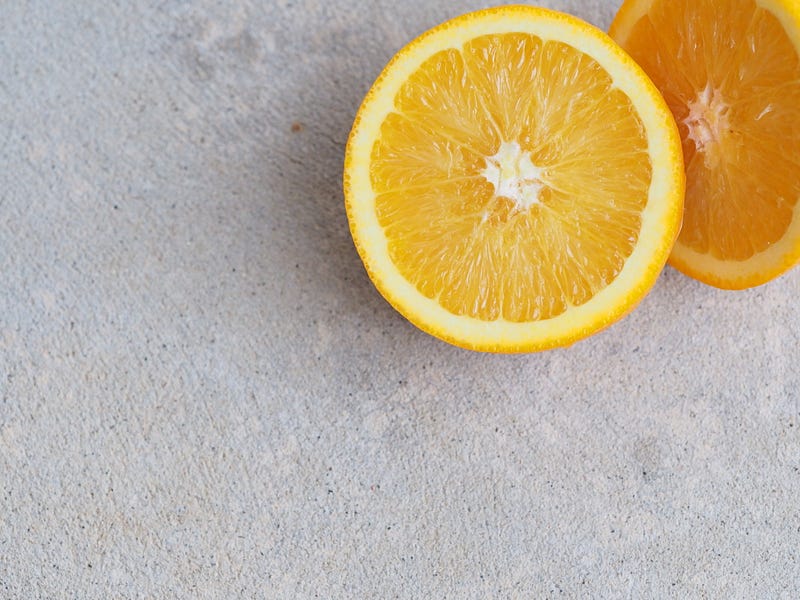
The flavor of acid can guide you in the direction a dish takes in terms of cuisine.
Acid brightens food and creates contrast. It does the important job of balancing flavors, which makes it indispensable to cooking delicious food.
The list of acidic ingredients extends far beyond citrus and vinegar. Anything fermented is also acidic. That includes cheese, pickles, wine, and beer. When used as a cooking medium, acidic ingredients mellow, becoming subtle but essential flavors in a dish. It acts as a counterpoint to salty, fatty, sweet, and starchy foods.
The acidity and sourness in food can be tame with salt. Marinating in acid has a different effect on food than cooking in it does. A highly acidic marinade will tenderize meat, but if left too long, the meat will toughen up. Another way to use acid is as a garnish to add brightness.
Using acid is much like using salt. If something is noticeably sour, it’s probably too much acid. But if the food tastes clean and bright, then it’s acid balance is spot-on. When considering acid, think about which acid or combination of acids to use, and when to add them. Just as with salt, and fat, a single dish can often benefit from several forms of acid.
Heat

Heat is the element of transformation.
The goal of cooking with heat is to apply the right amount so that the surface of your food and its interior are done cooking at the same time.
Before you even start cooking, an important choice to make is whether to use intense or gentle heat. Intense heat is used to brown food. It gives us crisp surfaces and tender interiors. Gentle heat uses time and liquid to transform dry, tough ingredients into tender, juicy ones.
Gentle cooking methods include simmering, poaching, steaming, stewing, braising, confit, and bain-marie. Intense cooking methods include blanching, boiling, sauteing, searing, grilling, and roasting.
When it comes to cooking with heat, just remember to look at the food, not the heat source. Good cooks obeyed sensory cues rather than timers and thermometers.
Taste Taste Taste
There is no better guide in the kitchen than thoughtful tasting.
One of the biggest mistakes in cooking is the following recipes blindly. When you cook, use all your senses, especially your common sense. Do not let your knowledge of your ingredients, kitchen, and your taste be overridden by what you are reading. There are recipes involving dessert that must be followed to the letter. But most of the time, savory recipes are just guides to produce a dish.
Be present at the moment when you cook.
The Takeaway
Food doesn’t have to be complicated to be delicious. Good cooking is universal. The ingredients may change, but the fundamentals are the same.
There are only four essential elements that determine how good your food will taste.
Season food with the proper amount of salt at the right moment to enhance flavor. Choose the optimal medium of fat to amplify the flavor of your ingredients and make appealing textures in your food. Brighten and balance those ingredients with acid. Apply the right type and quantity of heat for the proper amount of time, which will determine the texture of your food.
Make full use of your senses to guide you to cook. Hopefully, this philosophy acts as a compass to navigate your kitchen with confidence.
Just remember this. Recipes don’t make food taste good. People do.