
Why I Feel Like a Failure (And You Might Too)
My first thought was: “I am a failure.”
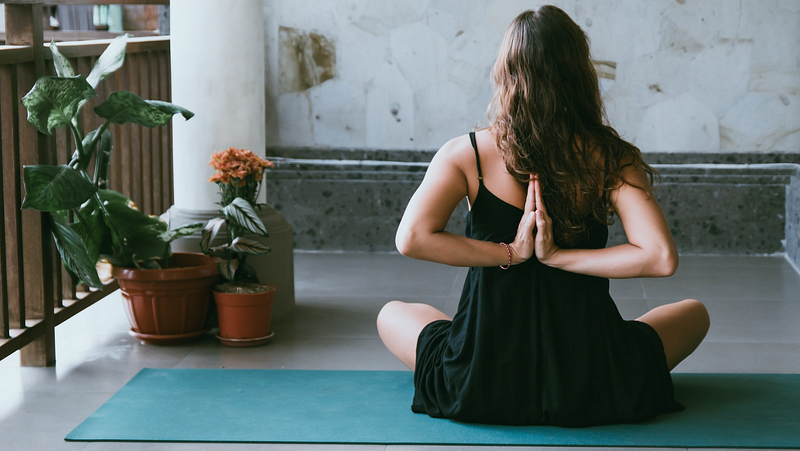
At the start of staying home for the foreseeable future, I challenged myself to do yoga every day for 30 days. My world was changing around me, I was grieving and navigating trauma… but I kept one promise to myself each day. I did my daily yoga for 19 days.
On day 20, my husband and I drank boxed wine, watched a terrible movie, and laughed our asses off… forgetting for the faintest of moments about coronavirus and definitely forgetting about yoga.
I woke up the next morning and my first thought was not of the mild hangover, the water I should definitely drink as a result, the gratitude of waking up one day closer to the other side of this uncertain time. It rang in my ears: I am a failure.
Listen, I can beat myself up like it’s an Olympic sport but this pervasive shame about failing to live your best Quarantine life is EVERYWHERE on my feed right now: an exhausted mother asking for advice on how to entertain a 4 year old so she can work from home, an academic who despite having “more time” can’t seem to focus on reading dense prose, a student struggling to find motivation in online learning.
And yet I think all of these people are amazing humans with so many things that make them worthy, lovable, and successful. At the very least, they are doing the best they can given the circumstances. It could be that my reference point (given the circumstances) extends grace I haven’t allowed myself. Or it could be that in general, as humans we are terrible at picking accurate, helpful reference points.
This is illustrated by a fascinating study on Olympic medalists. Research shows that of those that won medals, the silver medal-winners were the least happy. The psychologists Medvec et al. hypothesized that silver medal-winners compare themselves to gold medal-winners and feel they came up short. Conversely, bronze medal-winners compare themselves to people who didn’t win a medal at all.
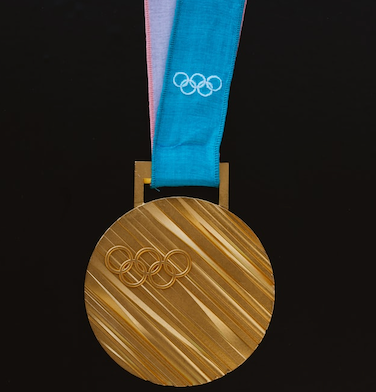
For silver medalists, the reference point was less than gold. For bronze medalists, the reference point was more than nothing. This study also found that how people respond is often shaped by “what might have been” and in the case of Olympic athletes, a few seconds can make a huge difference. In our case, what might have been looks entirely different from our current reality.
Many folks, myself included, found comfort recently in a tweet by Neil Webb which read: “You are not working from home; you are at your home during a crisis trying to work.”
The validation that inspired over 100,000 retweets is due to the collective relief of a shift in reference point. People realized they shouldn’t be using gold medal standards or what might have been typical for working from home to judge this unprecedented situation.
This is a team sport and there are no individual medals in having the cleanest closet, the best remotely educated children, the most walked dog, the un-layoff-able career. What we do with this time at home is irrelevant, the real prize is what our staying home can do for our healthcare workers, our most vulnerable folks, and those without the privilege to stay home.
Let’s work on letting go of this guilt. This is not normal so your reference point for success or failure shouldn’t be either.
Thoughts and opinions expressed in this piece are my own.
Sign up for my newsletter for a little feminism, a little inspiration and a lot of life here.