
Why “How Can I Help?” Is the Hardest Question to Answer
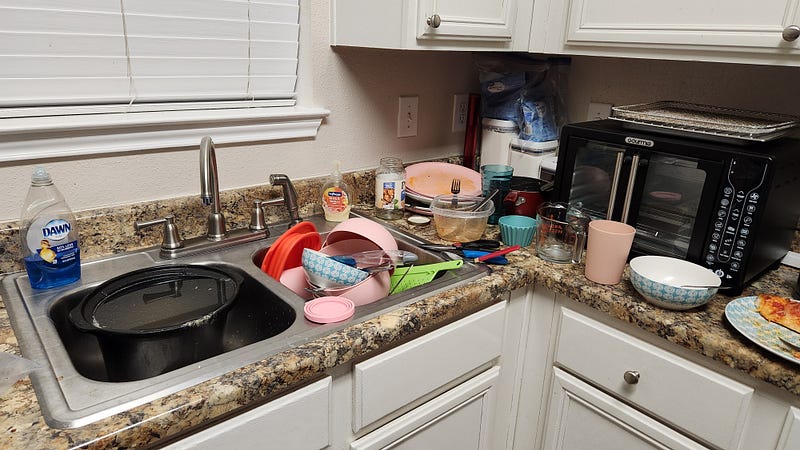
Most of us genuinely want to help our loved ones when they’re in distress. Why, then, do so so many people reply with “I’m fine, thanks” or “I don’t know” when people ask us how they can help?
Google has little advice on what to say when people ask how they can help, so I’m going to explain from my perspective as an AuDHD adult why I never know how to reply when people offer to help me and some ways you can offer to help that may be more useful than asking, “How can I help?”
Making Decisions Is Difficult
Thanks to the executive dysfunction I deal with, I struggle to make even simple decisions. “What should I eat for lunch?” can consume my brain for over an hour. To combat that, I recently set up a snack table so I can wander over and grab things willy-nilly to feed myself without resorting to expensive “safe food” deliveries from my favorite restaurants.
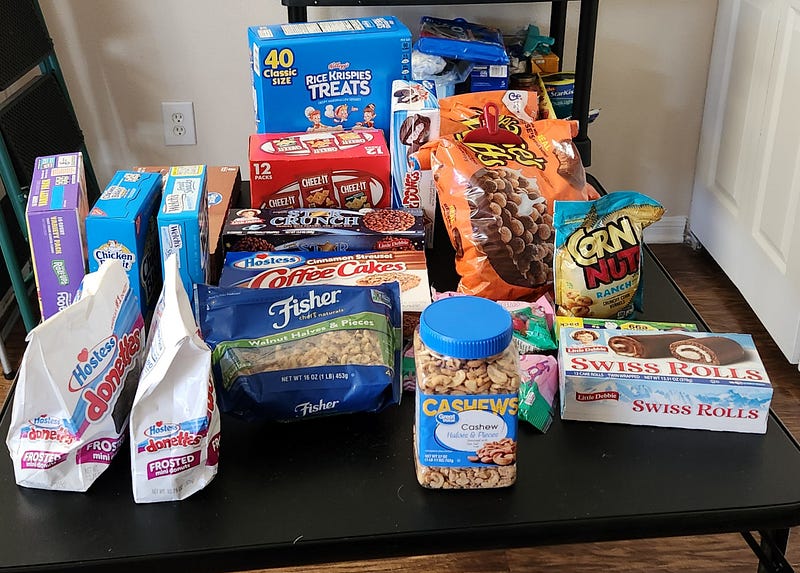
If I can’t even decide what to eat on any given day, you can imagine how difficult it must be to decide what type of help I need, especially if I’m in such a crisis mode that somebody is offering me their help.
When you think about it, “How can I help?” is a HUGE question with nearly limitless answers. Asking that question of somebody in a crisis is almost cruel, even though it’s well-meaning.
Accepting Help Is Nearly Impossible
I was raised to believe that I come from a strong line of women who can do anything at all and won’t let anything stand in their way. Before learning that I’m AuDHD, I spent most of my life thinking I just wasn’t trying hard enough. Life has always been incredibly difficult for me, so if I failed to keep up with housework or let my weight get out of control, that OBVIOUSLY meant I just wasn’t trying hard enough.
Now I understand that I’m relatively successful for an AuDHD person BECAUSE of how hard I try.
Statistics are hard to come by and likely don’t include the many of us who weren’t diagnosed with autism spectrum disorder until adulthood, but estimates are that only about a third of autistic adults are employed full-time, and only about 5% of autistic adults live independently.
So the proof of how hard I’ve worked is that I am employed and living alone.
However, I’ve also become FIERCELY independent as a result. While I’ve certainly needed various types of help from my family over the years, it has never been easy for me to ask for or receive help. I have this deeply held belief that I must do everything in my power to stand on my own two feet without relying on anybody else.
And I’m EXHAUSTED from trying to hold myself together for so long.
Yet I still can’t even figure out what type of help would benefit me, much less how to ask for that help.
What Help Can I Ask for?

The biggest thing I struggle with when loved ones ask how they can help is that I don’t know what sort of help it’s appropriate to ask for. I suspect I struggle with this more than most people due to my autism, but it could be something allistic (non-autistic) people struggle with, as well.
Asking a neighbor for a ride to the vet clinic that’s less than a mile from our apartment complex is one thing. As long as my dog, Jules, is relatively clean and won’t make a mess of the car, that seems like a small ask. But what about when people further away ask if they can help? What are the “limits” of what is acceptable to ask for help with?
It seems like far too much to ask for people from the other end of the state to drive 6 hours just to help with laundry and dishes. But is it OK to ask for some money to hire a housekeeper? Is it OK to ask for that help just once, or on a regular basis?
Further, would my asking for (and receiving) help make me feel “indebted” to the person or people who helped me? How much help is “just family helping each other” and how much help is “you need to learn to stand on your own two feet”?
The stress of these types of questions keeps me awake at night and prevents me from asking for help anything more than ABSOLUTELY necessary.
How to Offer Help Without Asking How You Can Help
If your offers to help your loved one aren’t being accepted, try to consider offering some ways you would be willing to help. What is YOUR idea of help, anyway? Are you offering financial help? Emotional support? Physical labor?
A big part of helping could actually be figuring out ways to help without putting the burden on your loved one to determine what type of help they need. And even if the ways you offer to help aren’t what your loved one need, it gives them a better idea of what sort of help they can ask for that you might be willing to provide.
Hopefully, what I’ve written here today will better help connect people who want to help their loved ones with people who don’t know what sort of help to ask for.
I can only answer from my own perspective, but if you’re struggling to help your loved one, you can ask me questions and I’ll do my best to answer.