
Why Everything Seems Dull When You Quit
How Addiction Alters the Neurotransmitters in your Brain

If you’ve quit any kind of substance, the odds are you’ve had this experience. Things that used to give you pleasure, excitement and happiness before you started using just seem a little dull and boring. They don’t give you the same enjoyment that they once did.
This is not an uncommon experience. It happens to the vast majority of people with substance use disorder — regardless of the substance of choice. It’s one of the reasons that people have such a hard time sticking to recovery during the early days of sobriety.
The monotony of it all: the meetings and the repeated telling of your addiction story can make you want to climb up the walls or do something extreme just to convince yourself that you still feel.
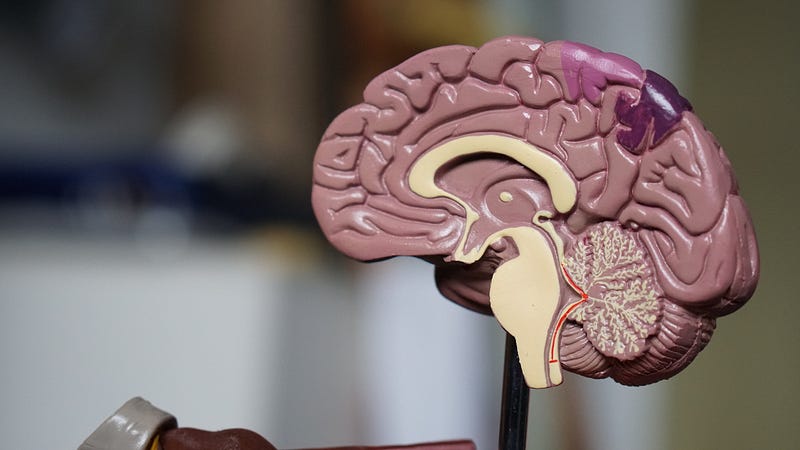
There’s a very specific reason why this happens, and it’s related to the way that you brain takes time to reset following abstinence from your drug of choice.
It’s All in your Head
When a person is addicted to a substance and uses it habitually it alters their brain chemistry and pleasure pathways. Your brain adapts to having different levels of neurotransmitters to maintain its balanced regular state — otherwise known as homeostasis.
It could be alcohol, heroin, methamphetamine, opioids or cocaine. Dealer’s choice. In every case, these substances result in the artificial flooding of dopamine in your brain. You’ve likely heard of dopamine; it’s the neurotransmitter that is associated with pleasurable experiences, like, say, the euphoric feeling you get after using.
Over a long period of time with increasing levels of use, your brain adapts to expect a specific amount of dopamine to be released in your brain. The problem is that substances enable the release of unnatural levels of dopamine in the brain.
This is a dramatic oversimplification, but let’s say the level of dopamine in your brain ranges from 0 to 10. For a person with no addiction history, let’s say that their level is typically around a 2. When they experience things that give them pleasure, their dopamine level jumps higher. Let’s say eating ice cream gets them to a 3 and having sex gets them up to a 5, before decreasing and ultimately stabilizing back down to the baseline level of 2.
For a person addicted to a substance, alcohol or the drugs artificially increase the level of dopamine in their system up to, let’s say, a baseline of 6 when they are using.
Research has actually shown that the taste of alcohol is enough to trigger the release of dopamine. It is also believed that environmental and social cues that remind you of the substance can trigger the release of dopamine as well.
Over time, the brain adapts to this being the baseline level to regulate itself and maintain homeostasis, ultimately reducing the number of dopamine receptors in the brain to adjust. When the substance is removed, dopamine levels then fall below where they once were, which can lead to a variety of withdrawal symptoms, such as anxiety, irritation, increased sensitivity to stress, cravings, etc.

It takes the brain time to reset to its natural levels of dopamine transmission once the artificial trigger (the substance) is removed. Ultimately, this is why everyday pleasures in life seem duller than they once were. The normal, healthy rewards that we experience in life are typically not able to trigger the release of the same amount of dopamine that we’ve grown accustomed to while taking our substance of choice.
While fully restoring a healthy balance to the brain depends on whether substance abuse did any lasting damage to the underlying structure of the brain, many individuals in recovery do return to normal brain function and regulation of mood, feelings of pleasure and cognitive abilities.
From my personal experience with alcohol use disorder, I can tell you that the dullness of life eventually does come back into full vivid color. If you give your recovery time and deep commitment, the pleasures of regular life with return with stunning clarity.
If you’d like to learn more about the impact of addiction on neurotransmitters, I encourage you to take a look at some of the linked embedded throughout this article.
If you like that story, you might like these. But no pressure.