
Why Do You Like Stargazing? ✨
Have you ever stepped outside on a crisp, starry night and felt an irresistible pull to look up?
There’s something about the vastness of the cosmos that captivates our minds. But what drives us to this nightly ritual when there are countless other distractions available?
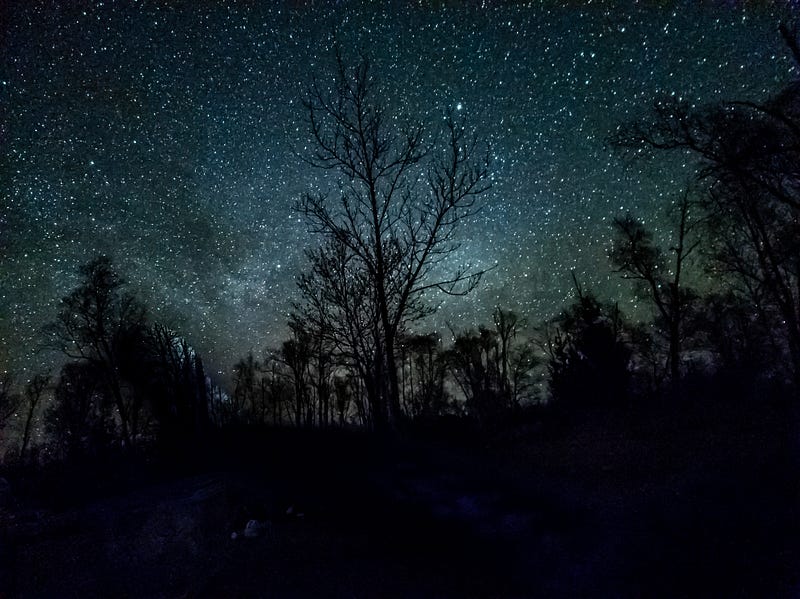
Initially, I believed that the allure of the night sky was rooted in a love for the great outdoors. My affinity for stargazing, fishing under the open sky, and jogging in nature seemed to support this idea.
Yet, I’ve come across numerous indoor enthusiasts who, with a computer and a telescope, explore the cosmos from the comfort of their homes.
This makes me wonder: Is the fascination with the cosmos solely about being outdoors?
Could our individual personalities shed some light on this?
I recall taking a personality assessment in school, and while I won’t delve into the accuracy of such tests, I was labeled an introvert. This might surprise those who know me as someone who’s performed the Kings of Leon number on stage or participated in bustling events.
Yet, the peace I find when stargazing alone is unparalleled, much like the joy one finds in a riveting book or a binge-worthy series.
At the heart of all amateur astronomers lies an undying curiosity.
Remember those days as children when we’d marvel at the mysteries of the sky? It seems that some of us simply never outgrow that innate desire to understand the universe.
Our inquiries might have matured, ranging from the mysteries of Jupiter’s Red Spot to the intricacies of a nebula’s composition, but the underlying curiosity remains unchanged.
But there’s more to this hobby than just curiosity; it demands patience.
Learning to recognize stars, constellations, and mastering the art of telescope operation requires dedication. The breathtaking images we often see in magazines are the fruits of countless hours of dedication by passionate astronomers.
After all, crafting a telescope from scratch isn’t for the faint-hearted.

Now, pondering the psychology behind stargazing brings forth intriguing questions.
Why do some gravitate towards visual observation, while others dive deep into astro imaging? What drives one to spend hours spotting celestial wonders, while another is content with a brief gaze?
The diversity in our preferences only adds to the richness of the astronomy community.
The Universe is under no obligation to make sense to you. ― Neil deGrasse Tyson
Perhaps it’s best to let psychologists decipher the intricacies of our stargazing habits. Whether we’re remotely capturing galaxies, attending telescope-building workshops, or simply marveling at the night sky’s vastness, our passion remains the same. At its core, astronomy is a timeless and profound pursuit that unites us all.
If you liked the article, I am sure you will enjoy and learn more about The The Positive Impact of “No” on Your Productivity. Follow and subscribe to my newsletter Louis K for more.


