
The Positive Impact of “No” on Your Productivity
“Yes”, should not always be your answer.

At the heart of achieving more is the power of saying no. A simple word with profound implications, “no” can be the difference between overwhelming busyness and targeted efficiency.
This reminds me of the old computer programming saying, “No code runs faster than no code.”
Similarly, in everyday scenarios, it can be said that no meeting is more efficient than a redundant one.
Yet, our calendars brim with commitments, many of which add little value to our lives or endeavors. How often have you found yourself swamped, only to realize that you had willingly accepted most of these tasks?
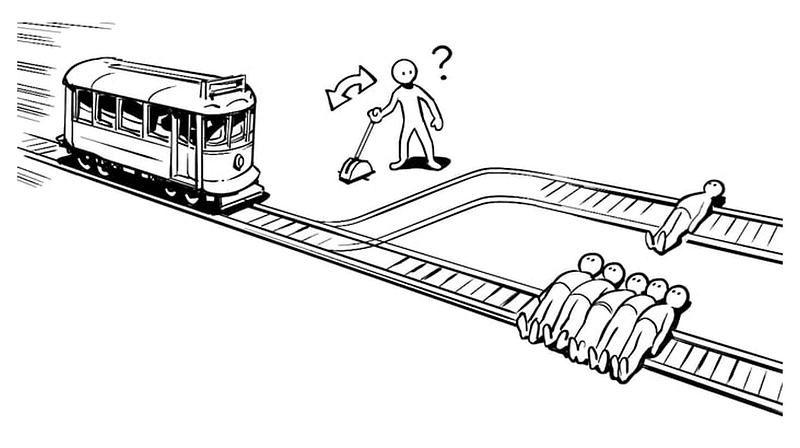
The Social Dilemma of “Yes”
Our propensity to say yes, even when we shouldn’t, often stems from societal pressures. The fear of appearing uncooperative or unsupportive can lead us into a web of commitments. Especially with close acquaintances or colleagues, there’s an inherent desire to be accommodating.
While collaboration is essential, it’s crucial to discern between meaningful engagements and mere obligations. Striking a balance requires tact — being cordial when declining, yet resolute in one’s priorities.
The Essence of “Yes” and “No”
Though “yes” and “no” might seem like mere opposites, they signify two distinct commitments. While a “no” closes one door, a “yes” potentially shuts numerous others. As Tim Harford aptly observed, every affirmative response dictates how your future time gets allocated, locking you into commitments.
In essence, “no” is a promise to your future self, preserving your autonomy. Conversely, “yes” can be perceived as a commitment, setting forth obligations.
The Strength of “No”
While some view the ability to decline as a luxury of the elite, it’s truly a strategy accessible to all. Protecting one’s time isn’t just about retaining autonomy; it’s about aligning actions with goals. As Pedro Sorrentino remarked, without guarding our time, it becomes susceptible to external demands.
Steve Jobs epitomized this sentiment. True focus, he believed, wasn’t about pursuing every good idea but about discerning the best ones and committing to them.
Yet, it’s essential to strike a balance. Initially, one might explore various avenues, but as proficiency grows, so does the need for selectivity. It’s about evolving from saying no to distractions to discerning between good and great opportunities.

How to Master the Art of “Declining”
For many, saying no doesn’t come naturally. Tim Harford’s strategy of gauging immediate willingness to undertake a task offers a practical approach.
This aligns with Derek Sivers’ popular “Hell Yeah or No” approach. If an opportunity immediately excites you with a “Hell Yeah!”, go for it. If it doesn’t, it’s a clear sign to decline.
Derek Sivers’ “Hell Yeah or No” principle emphasizes enthusiasm as a litmus test for commitments.
While these frameworks provide guidance, the overarching lesson is the value of introspection. Periodically revisiting our commitments ensures alignment with our objectives.
The Value of Elimination
In the pursuit of productivity, eliminating non-essential tasks often proves more beneficial than optimizing them. Peter Drucker’s timeless wisdom echoes this sentiment, emphasizing that true efficiency lies in discerning what doesn’t merit attention.
In conclusion, while the allure of “yes” is enticing, the power of “no” is transformative. By judiciously employing it, one can navigate the complexities of modern life with greater clarity and purpose.


