
Why Do We Laugh When Tickled?
Do You Know That We Can’t Tickle Ourselves
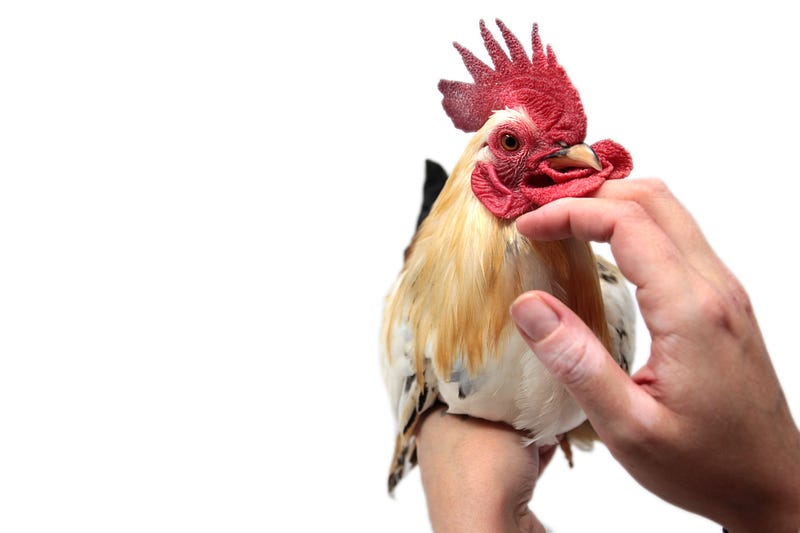
Maybe we enjoy being tickled or find it funny?
So why do most people, especially adults, say they hate being tickled?
And why don’t we have the same reaction when we tickle ourselves?
If the answers to these mysterious yet important questions were simple, they wouldn’t have caught the attention of the great minds of the past:
Philosophers, thinkers and scientists such as Plato, Francis Bacon, Galileo, Charles Darwin, Aristotle and Socrates have thought about this issue for a long time and published their own opinions and suggestions.
Socrates, for example, puts it simply:
“The feeling of being tickled can be tolerated to some degree.”
Again, Aristotle asked a question that cannot be answered clearly even today:
“Why can’t a man tickle himself?” Could the answer to this question have something to do with the predictable or unpredictable aspect of tickling?
In fact, these questions are derivatives of the question “how much of the tickle response is due to interpersonal experience”.
Commenting on this issue, Charles Darwin wrote in 1872:
Most of the time, for tickling to occur, it must be within the person’s comfort zone and within the person’s location, familiar and familiar environment.
For example, a small child may scream in fear if tickled by an unfamiliar man.
Being tickled is as entertaining as it is irritating.
We are tickled by others, sometimes even untouched, but we cannot tickle ourselves.
Some are very sensitive to tickling, while others are not even affected.
When a person is tickled, tiny nerve fibers on the surface of the skin are activated.
These fibrils, which are particularly sensitive to events such as hair caress and insect walking, send signals to the brain.
But researchers aren’t sure where in the brain these signals are recorded.
The brain’s response to tickling, like its response to scratching, is an involuntary response.
With tickling, blood pressure increases, pulse and heart rate accelerates, and the alertness of the brain increases.
Tickling has a psychological as well as a physical side.
While tickling may be pleasurable at first, it can turn into fear and panic when sustained.
The places where people are tickled more are the areas such as the feet, palms and armpits.
This is because these are very sensitive areas.
The human brain distinguishes which of the stimuli coming from the body comes from the person himself and which comes from the outside and gives priority accordingly.
It gives priority to external stimuli that require urgent reflexes.
Therefore, when we are tickled by someone else, we react, but when we try to tickle ourselves, we cannot be tickled because the brain reduces the sensitivity at these points.
Not yet a Medium Member? Join now with my referral link and Earn Income From Writing Just 3 Min/Day About Your Thoughts & What You Love to do! You’ll also get full access to every story on Medium for just $5/mo. Your membership fee supports independent writing. I’ll earn a small commission at no additional cost to you!
Thanks for reading. I hope you’ve found my articles at least slightly compelling. If it interested you ever more slightly, you could kindly consider leaving a clap or following for more stories. Let me know what you think in the comment, too!
If you enjoyed this article, you might also like:


