avatarThe LARO ✨✨

Summary

Anterior Cruciate Ligament (ACL) injuries are a significant issue in women's football, with female athletes being more susceptible due to anatomy, physiology, and biomechanics differences, leading to long-term consequences for players and teams.

Abstract

The article discusses the prevalence of Anterior Cruciate Ligament (ACL) injuries in women's football, which has been a significant issue despite the sport's progress. Female athletes are more likely to suffer from ACL injuries than their male counterparts due to several reasons, including anatomy, physiology, and biomechanics differences. Women's knees have a narrower intercondylar notch, hormonal fluctuations, and differences in neuromuscular control, making them more susceptible to ACL injuries. The negative impact of ACL injuries on women's football cannot be overstated, leading to long-term pain, decreased performance, and even premature retirement from the sport. The article also highlights the financial consequences for players and teams due to medical bills and rehabilitation costs. Fortunately, several medical and technological solutions are being developed to reduce the risk of ACL injuries in women's football, including targeted training programs, new technology for better diagnosis and prevention, and wearable sensors to monitor athletes' movements.

Bullet points

  • ACL injuries are a significant issue in women's football, with around 195 elite players suffering from this injury last year.
  • Female athletes are two to eight times more likely to suffer from ACL injuries than their male counterparts due to anatomy, physiology, and biomechanics differences.
  • Women's knees have a narrower intercondylar notch, hormonal fluctuations, and differences in neuromuscular control, making them more susceptible to ACL injuries.
  • ACL injuries can lead to long-term pain, decreased performance, and even premature retirement from the sport.
  • ACL injuries can have financial consequences for players and teams due to medical bills and rehabilitation costs.
  • Several medical and technological solutions are being developed to reduce the risk of ACL injuries in women's football, including targeted training programs, new technology for better diagnosis and prevention, and wearable sensors to monitor athletes' movements.

Why Are There So Many ACL Injuries In Women's Football:

The Battle for Player Safety and Performance
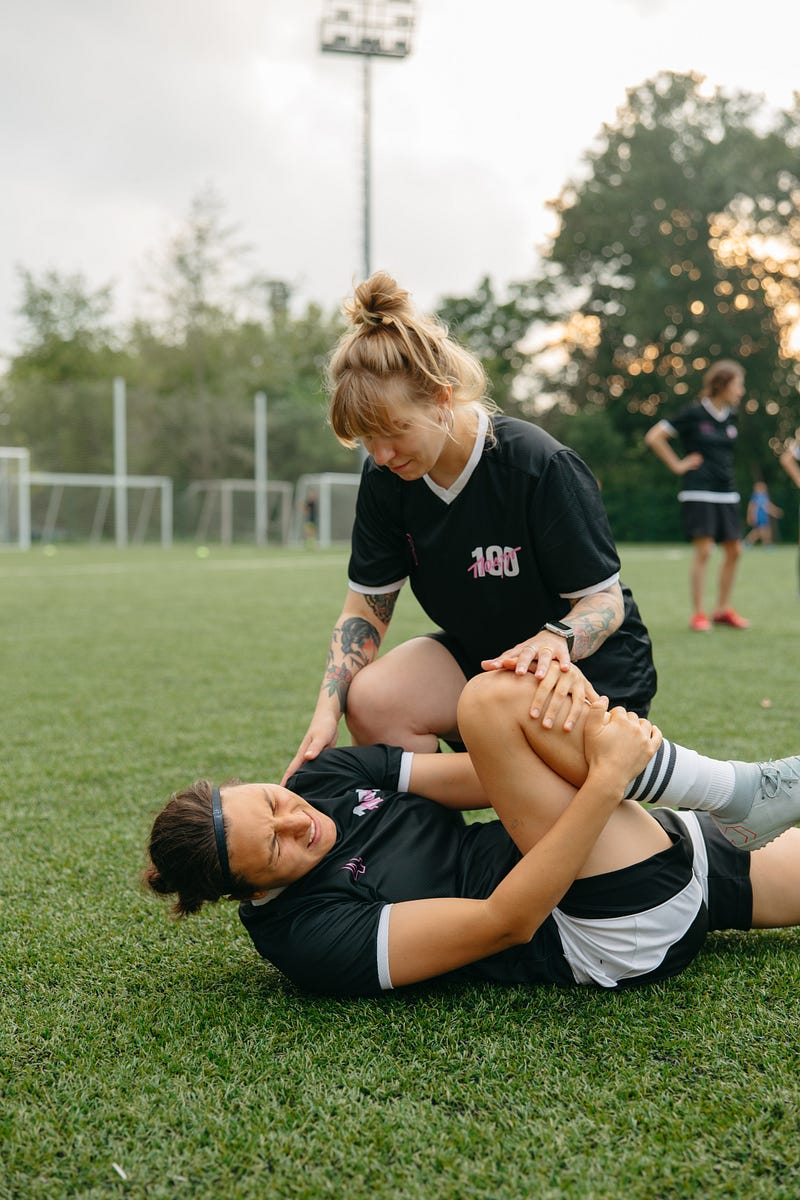
Photo by anastasia-shuraeva/ on pexels.com/

I vividly remember when my sister first started playing football. I was immediately impressed by the skill and dexterity of her friends and all the other players. Women’s football was a joy to watch, just like the men’s.

Over the years, women’s football has made tremendous strides. The sport is now starting to get the recognition it deserves. However, one major issue continues to plague female football players: Anterior Cruciate Ligament (ACL) injuries have become increasingly common, and the impact on players’ safety and performance is significant.

ACL injuries are a scourge in women’s football, with around 195 elite players suffering from this injury last year. In fact, between 25 and 30 players — enough for an entire squad — missed the Women’s World Cup this summer because of ACL tears. Even England competed without their captain, Leah Williamson, and most prolific goal threat, Beth Mead.

But why are ACL injuries more prevalent in women’s football? Research has shown that female athletes are two to eight times more likely to suffer from ACL injuries than their male counterparts. This is due to several reasons, including anatomy, physiology, and biomechanics differences.

Women’s knees have a narrower intercondylar notch, which can increase the risk of ACL injuries. Hormonal fluctuations and differences in neuromuscular control can also impact how women move and land, making them more susceptible to ACL injuries.

The video below and the still frame show and explain more on the subject

The negative impact of ACL injuries on women’s football cannot be overstated. ACL injuries can lead to long-term pain and discomfort, decreased performance, and even premature retirement from the sport. Moreover, ACL injuries can have financial consequences for players and teams, as medical bills and rehabilitation costs can be substantial.

Fortunately, several medical and technological solutions are being developed to reduce the risk of ACL injuries in women’s football. One such solution is targeted training programs that improve neuromuscular control and reduce the risk of ACL injuries. Additionally, new technology is being developed to better diagnose and prevent ACL injuries.

For instance, wearable sensors are being explored to monitor an athlete’s movement and provide feedback to improve their technique and reduce the risk of injury.

Let's hope these new solutions reduce ACL injuries in the women's game.

Read more here

https://www.skysports.com/football/news/11095/12926431/future-of-football-why-acl-injuries-have-been-on-rise-in-womens-game-and-the-technology-and-solutions-to-fix-it

©The LARO. All rights reserved

Knee Pain
Football
Women
Soccer
Trauma
Recommended from ReadMedium