
Why Are Some Of Us Morning People?
There’s an ancient blueprint behind early bird instincts

I’m no Mark Wahlberg, waking up at 2:30 a.m. daily, but my alarm rings at 6:14 a.m. five days a week, and go exercise before work starts at 9. Some days, I question my sanity; most days, I relish in the productivity of those early hours when I feel my best. When the sun sets, I’m in rest mode — later in summer due to longer daylight hours; the opposite in winter.
Yet, there are those who resemble zombies until noon, perpetually late to work due to late-night stands.
The dichotomy is clear: morning people and morning haters.
We can blame our ancient ancestors for that.
A Striking Legacy
The migration of Homo sapiens from Africa to Eurasia 700,000 years ago marked a pivotal moment in our evolution. The ancestors of modern humans largely stayed in Africa. But the other side of the lineage migrated into Eurasia and split into western Neanderthals and eastern Denisovans. They both eventually disappeared from the fossil record about 40,000 years ago.
By then, modern humans had expanded out of Africa, sometimes interbreeding with the then-extinct populations. That’s why today, each human individual carries about 2% of the DNA of their genetic legacy. And there are awakening consequences: our extinct cousins are responsible for “a striking trend” between specific genes influencing our body clocks or circadian rhythms leading to an “increasing propensity to be a morning person.”
John Capra, an epidemiologist at the University of California in San Francisco, led this study analyzing Neanderthal DNA fragments present in the genomes of contemporary humans.
Ancient Beeping For Modern Mornings
Genes express proteins that regulate our sleep, appetite, and metabolism. Capra and team studied Neanderthals and Denisovans’ circadian rhythms, analyzing 246 body clock genes and comparing them to present-day humans.
Their scrutiny revealed 1,000+ unique mutations exclusive to modern humans or ancient counterparts, shaping the body clock’s function.
Using the UK Biobank genetic data repository with health and lifestyle information on half a million people, including whether they were early risers or night owls, researchers explored body-clock variants in contemporary individuals. This revealed that many carried ancestral variants, with genes consistently linked to waking up early, highlighting the unexpected impact of ancient genes on modern mornings.
But the implications are more profound: Our Neanderthal inheritance might not only contribute to our early riser proclivities but could also signify a broader adaptive advantage.
To Sleep or Not to Sleep
In tropical Africa, where early humans evolved, days averaged 12 hours of sunlight. But Neanderthals and Denisovans moved into higher latitudes, where the days became longer in the summer and shorter in the winter. Their internal clocks adapted to the new environment, flexible to the varying duration of daylight associated with seasonal changes in order to make the most out of them.
Being early risers was a matter of survival, just like getting to work on time.
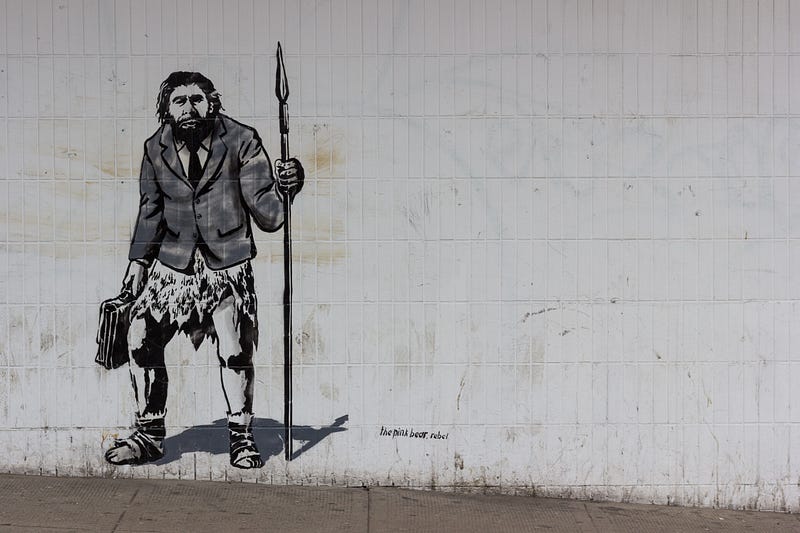
Then came the modern humans out of the African continent, and interbreeding between populations did the trick of genetic swapping. This is how descendants inherited the adjusted Neanthertalian body-clock genes better suited to their new homes. Some of those genes are still around, keeping people off the snooze button in the early hours.
So, Do I Hold Neanderthal Morning Genes?
I can’t definitively say — I’m not British, nor part of Capra’s study. But I’m grateful for my flexible internal clock adapting to the varying seasonal daylight in the Patagonian latitude at the southern tip of South America.
Being an early riser doesn’t solely rely on ancestral DNA. Hundreds of genes, environmental factors, and cultural influences collectively shape our sleep-wake patterns. And research has shown that some people who are devout night owls can, with intention, become morning people. Nevertheless, the Neanderthal genetic inheritance undeniably plays a part.
Beyond morning preferences, this revelation suggests a broader role in adapting to diverse environments, offering insights into how ancient genes might influence our susceptibility to diseases in the modern world. Disruptions to circadian rhythms, caused by sleep deprivation, chronic jet lag, and constant exposure to artificial light (hello, cell phones!), have been linked to an increased risk of cancer, obesity, and various disorders.
In essence, our ancient body clocks hold the key not just to understanding Neanderthal DNA’s impact on present-day humans but also to addressing modern health challenges.
And the quest for punctuality and a fresh appearance.


