
Dentistry.
Why Are My Teeth Wearing Away?
The many faces of tooth wear.
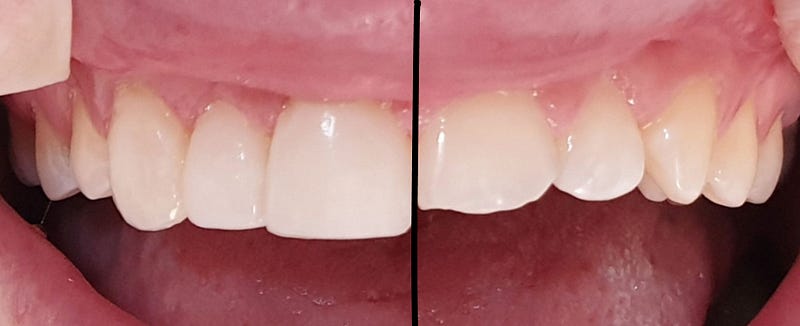
Tooth wear, or the loss of tooth structure by means other than dental decay, is a prevalent condition, affecting a large portion of the population, with approximately 95% being affected. However, it is curious how rarely patients complain about it. My guess is that it happens so gradually that patients are blissfully unaware of its progression, only noticing it once it has become quite advanced. It’s akin to the proverbial frog in boiling water situation. On a side note, frogs swallow their food whole and have teeth only on their top jaw, lacking them on their lower jaw, but I digress.
There are a number of reasons why teeth may wear away and they are broadly grouped into 4 categories:
- I want to begin with acid erosion since it irks me the most. Dental erosion refers to a chemical process wherein dental hard tissues are dissolved by acids, excluding acids of bacterial origin. Acid-induced dental erosion is among the most preventable types, yet it remains widespread. Acids may originate from either extrinsic or intrinsic sources. The primary source of intrinsic acid is stomach acid, which can affect individuals with gastric reflux, morning sickness, and bulimia. Clinically, this erosion manifests on the inner surface of the teeth, facing the palate.
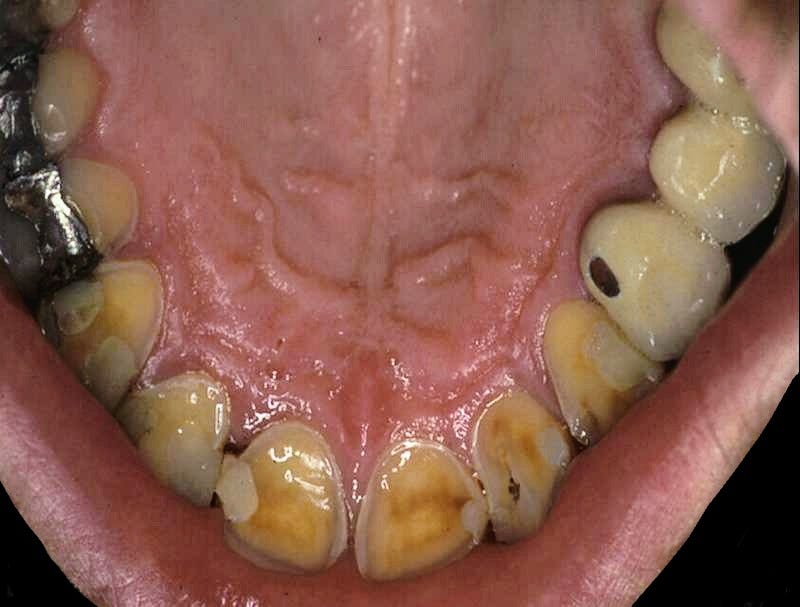
Now comes the part that truly gets to me: extrinsic acids. Specifically, I’m referring to those who enjoy acidic drinks or, even worse, adding a few drops of lemon to their water, unwittingly turning it into a solution that dissolves tooth hydroxyapatite crystals. I have also had patients brush their teeth with lemon juice and bicarbonate of soda as though purposely trying to erode their enamel away. Any acidic beverage or food causes a drop in pH, which is later balanced by the alkaline saliva over the course of about an hour. However, regular intake of acidic substances will keep the pH low and continuously eat away at the tooth structure. As dental erosion leads to progressive and irreversible loss of mineralized tooth substance, the primary focus of intervention is prevention followed by management. Clinical management typically involves implementing lifestyle and dietary changes and, if necessary, applying restorative treatments to halt the progression of erosive lesions.
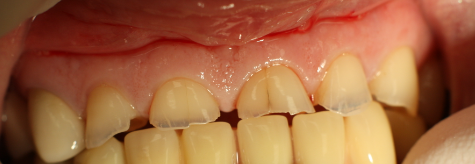
- Dental attrition is another prevalent cause of tooth wear, resulting from the loss of tooth surface due to contact between teeth. While this occurs to some extent in everyone, certain individuals with ‘parafunctional habits’ experience increased tooth-to-tooth contact due to habits other than eating. One of the most common parafunctional habits is nighttime bruxism, where people may spend hours unconsciously grinding their teeth during sleep. It might not come as a surprise that brushing your teeth with lemon juice before sleeping can further accelerate the wear of acid-exposed tooth surfaces if followed by hours of grinding. Although challenging to eliminate these parafunctional habits entirely, dentists may suggest using a ‘night guard’ — similar to a thin sports guard — to wear while sleeping. This way, the night guard takes the brunt of the grinding forces instead of the teeth, helping to preserve tooth structure.
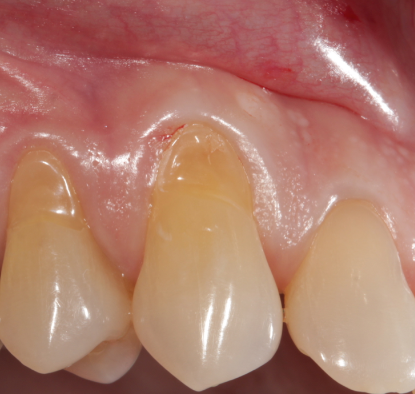
- Dental abrasion involves the wearing away of the tooth by mechanical means other than tooth-to-tooth contact. This might be caused by heavy brushing techniques. In many cases, this type of abrasion affects the softer root surface near the gum line, as the harder enamel surface of the crown is more resistant to friction-induced wear. Historically, abrasion could also be observed as a notch in the anterior teeth, caused by people holding a smoking pipe, or as a small kink in the enamel resulting from fishermen cutting fishing lines with their teeth. Nowadays, such damage to anterior teeth is more commonly seen due to the wear caused by tongue rings. Abrasion often leads to dentinal sensitivity in the worn areas which may be the reason for the patient to present to his local dentist.
If you want more information about which toothbrush to use to reduce abrasion , feel free to read this article: https://readmedium.com/electrictoothbrush-vs-manualtoothbrush-making-the-right-choice-bd460d7a7773
The Relative dentin abrasivity or RDA scale, developed collaboratively by the American Dental Association, government bodies, and other stakeholders, serves as a quantitative measure of toothpaste abrasiveness. Toothpastes with an RDA of 250 or lower are considered safe for regular use in terms of abrasiveness. The RDA scale achieves this by comparing the abrasiveness of toothpaste to standard abrasive materials and measuring the wear to dentine samples per 100,000 brush using a brushing machine.
- Maybe the most ´abstract´ tooth wear is abfraction. Dental abfraction involves the loss of tooth structure, specifically at the tooth’s cervical area (near the gumline). It is characterized by small, wedge-shaped lesions or notches that develop in the enamel and dentin of the teeth. Abfraction is believed to be caused by the flexural forces that act on the teeth during tooth grinding (bruxism) or when biting and chewing. These forces create stress at the cervical region of the tooth, leading to micro-fractures in the tooth structure over time. As the tooth flexes, the weakest part of the tooth, which is typically around the gumline, begins to wear away. The exact mechanisms of abfraction are not fully understood, and there has been some debate in the dental community regarding the role of abfraction in tooth wear. Some researchers argue that abfraction is a significant factor in tooth wear, while others believe that it is a minor contributing factor. Dental abfraction lesions can be sensitive and may lead to cosmetic concerns, especially when they are visible in the smile zone. Treatment options for abfraction may include dental bonding to restore the lost tooth structure, and addressing any underlying issues, such as bruxism.
This article has highlighted four distinct types of tooth wear: attrition, abrasion, erosion, and abfraction. While each type has its unique causes and manifestations, it is crucial to recognize that individuals often exhibit a combination of these wear patterns, with one type usually prevailing over the others. This emphasizes the importance of comprehensive dental examinations to identify the specific type of tooth wear affecting an individual and devise an appropriate treatment plan. Furthermore, it is vital to acknowledge that teeth have limited regenerative abilities, and once they wear away, the damage is irreversible. Prevention, therefore, becomes paramount in preserving dental health. Proactive measures and awareness of potential risk factors are essential in mitigating tooth wear.
If you suspect that your teeth are experiencing wear, it is crucial to address the issue promptly. Identifying the underlying cause of the wear is essential to implement targeted interventions. By making necessary lifestyle changes and adopting better dental habits, you can prevent further wear and protect your teeth for the long term.
If you want to receive more articles related to dental health and other topics subscribe using the following link: https://medium.com/@pedroborges01/subscribe


