
Health.
Electric Toothbrush or Manual Toothbrush
Making the right choice in a world of toothbrushes.
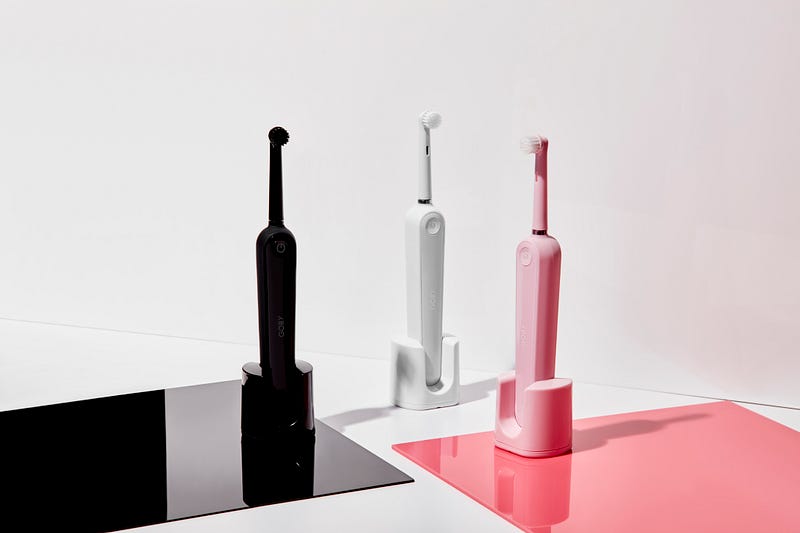
Maintaining good oral hygiene is essential for a healthy smile, and a crucial part of that routine is toothbrushing. In this article, we’ll explore the world of toothbrushes, both manual and electric, and examine which might be the better choice for your oral care needs.
Toothbrushing is the cornerstone of oral hygiene. It can reduce gingivitis, prevent tooth decay, improve your social life and contribute to overall good dental health. The benefits are achievable with both manual and electric toothbrushes.
It’s important to note that toothbrushes alone are not sufficient for a thorough mouth cleaning. To effectively clean the spaces between your teeth, additional tools such as dental floss or, even more effective, interdental brushes can be used.
If you want to read more about interdental brushes click on the link below: https://readmedium.com/interdental-brushes-an-open-secret-to-great-oral-health-c0a2278d7d36
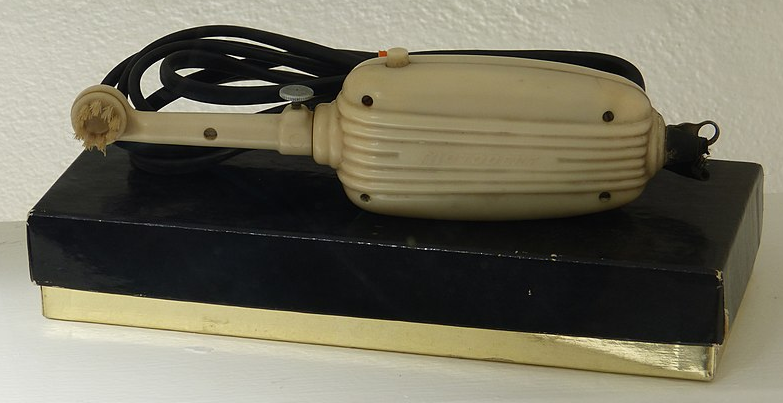
Electric toothbrushes were first developed in the 1930s and since then Electric toothbrushes have come a long way. They were initially designed to simulate the manual motion of toothbrushes and today have become a popular alternative to manual brushing.

Electric Toothbrush Scientific Evidence.
A Cochrane review involving 56 trials and over 4,600 participants suggests that powered toothbrushes offer a statistically significant benefit compared to manual toothbrushes. They are more effective at reducing plaque and gingivitis both in the short and long term.
- In the short term, powered toothbrushes show an 11% reduction in plaque.
- In the long term, the reduction in plaque is 21%.
- Gingivitis also sees a 6% reduction in the short term and an 11% reduction in the long term with powered toothbrushes.
Types of Electric Toothbrushes.
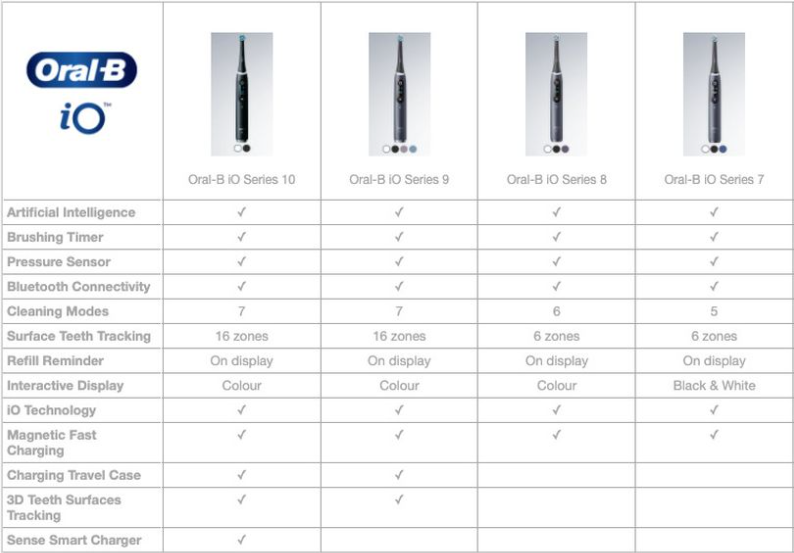
Electric toothbrushes come in various types, including oscillating rotating, side-to-side vibration and ultrasonic brushes. Oscillating rotating brushes like the Oral-B iO range, utilize a unique oscillating and rotating motion for more effective plaque removal. Some models even offer pulsating and 3D tracking features. Such oscillating rotating toothbrushes have consistently shown a higher level of cleaning than manual brushing.
While all iO toothbrushes use an oscillating rotating motion, the higher-end brushes in the series can track up to 16 different zones of the teeth, as opposed to the 6 zones that the lower-end ones can track. Positional sensors help users identify if they are brushing certain areas less than others.
Benefits for Kids.
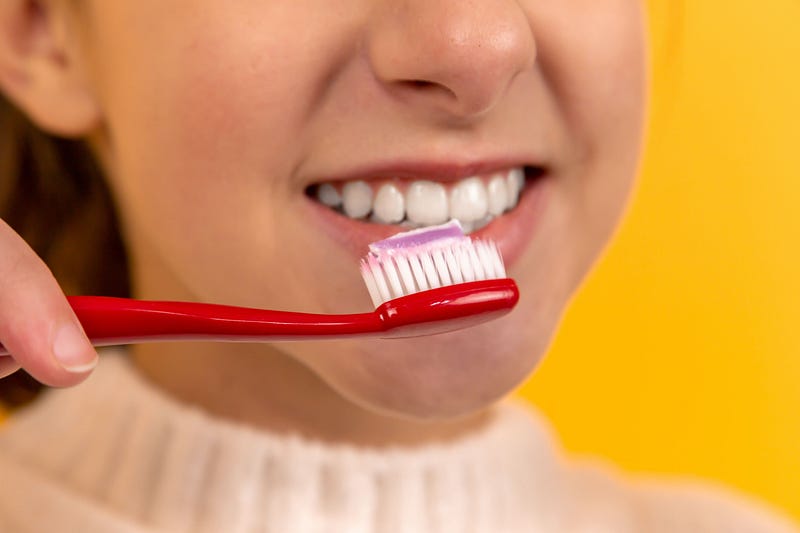
Electric toothbrushes can be especially beneficial for kids. They make brushing more engaging, helping to instil good oral habits from a young age. The timer feature, commonly found on electric brushes, simplifies the task of brushing for the recommended duration, which, in case you are lost, is 2 minutes!
Use During Orthodontic Treatment.
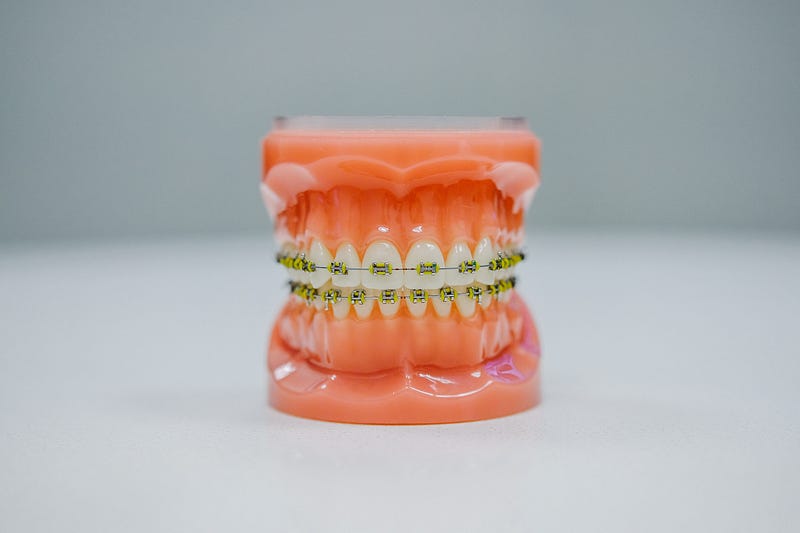
The jury is still out on whether electric toothbrushes are more effective for patients with orthodontic braces. In this scenario, the time spent on brushing and the brushing technique may have a more significant impact than the choice of toothbrush.
Tooth Wear Patients.
Tooth wear, or the loss of tooth structure by means other than dental decay, is a prevalent condition, affecting a large portion of the population, with approximately 95% being affected
Many electric toothbrushes come with a pressure sensor to alert the user when too much force is being applied. Excess force when brushing can result in damage to the tooth structure as well as to the gums. Such pressure sensors are therefore important to those with signs of excess brushing pressure.
If you want to learn more about tooth wear don’t forget to read: https://readmedium.com/why-are-my-teeth-wearing-away-64b6105280a6
Manual or Electric Toothbrushing
Here are a few points to help you make an informed choice for your oral care routine.
Manual Toothbrushing:
Pros:
- Simplicity: Manual toothbrushes are widely available and easy to use. They require no additional equipment or charging.
- Cost-Effective: Manual toothbrushes are affordable and accessible, making them a cost-effective choice for most people.
- Portability: You can easily take a manual toothbrush with you when travelling or on the go, without worrying about batteries or charging.
- Control: With a manual toothbrush, you have complete control over the brushing technique and pressure, allowing you to be gentle on sensitive areas and adapt to your preferences.
Cons:
- Effort-Dependent: Effective manual brushing requires proper technique and the right amount of effort. Not everyone brushes for the recommended two minutes, and improper technique may lead to ineffective cleaning.
- Limited Features: Manual toothbrushes lack the advanced features found in electric brushes, such as timers, pressure sensors, and various brushing modes.
Electric Toothbrushing:
Pros:
- Efficiency: Electric toothbrushes are generally more efficient at plaque removal and overall cleaning. They provide a consistent and thorough brushing experience.
- Built-In Timers: Many electric toothbrushes come with timers that ensure you brush for the recommended two minutes, evenly distributing your brushing time between different sections of your mouth.
- Pressure Sensors: Some electric toothbrushes have pressure sensors that alert you if you’re applying too much pressure, reducing the risk of damaging your gums or enamel.
- Various Brushing Modes: Electric toothbrushes often offer multiple brushing modes, such as sensitive, whitening, or gum care, catering to specific oral care needs.
- Motivational: Just as step counters encourage physical activity, statistics on brushing time and brushing zones assist individuals in enhancing their overall brushing habits.
Cons:
- Cost: Electric toothbrushes are more expensive than manual ones, and they require replacement brush heads, which can add to the cost over time.
- Charging: Electric toothbrushes need to be charged regularly, and this can be inconvenient for some users. Travelling with an electric toothbrush may require carrying a charger.
- Learning Curve: Some people may find it challenging to adapt to the vibrating or rotating motions of electric toothbrushes.
Which One is Right for You?
The choice between a manual and an electric toothbrush ultimately depends on your personal preferences, needs, and budget.
If you’re on a tight budget and have a disciplined brushing routine, a manual toothbrush can be a suitable choice. However, it’s essential to ensure you use proper brushing techniques and brush for the recommended duration to achieve effective cleaning.
On the other hand, if you’re looking for a more efficient and advanced oral care solution and don’t mind the cost and occasional charging, an electric toothbrush may be a better fit. It can help ensure a consistent and thorough cleaning, offer useful features and cater to specific dental concerns.
In Conclusion.
Although, both manual and powered toothbrushes are effective at plaque removal, powered toothbrushes appear to have an edge, particularly in reducing plaque gingivitis and periodontal disease. Whether you choose manual or electric, it’s essential to maintain a consistent brushing routine for optimal oral health.
The American Dental Association (ADA) provides a list of products with their Seal of Acceptance, indicating they have been scientifically evaluated for safety and efficacy. This seal can guide your choice in finding a quality-powered toothbrush.
Brushing should start as soon as teeth begin to erupt. Remember to dry your toothbrush bristles before you put it away and remember to replace your toothbrush or toothbrush head every three to four months or sooner if the bristles are matted or frayed. Your choice of toothbrush should be based on your needs, preferences, and any dental conditions.
Whether you opt for a manual or an electric toothbrush, the key is to maintain consistent oral hygiene practices. The evidence suggests that powered toothbrushes offer advantages, but the choice ultimately depends on individual preferences and needs.
The recommended products are supported by scientific evidence and the author’s experience as a dental surgeon.
Sources: Cochrane Library, American Academy of Pediatric Dentistry, International Journal of Dental Hygiene, American Dental Association, Dentistry Journal, American Journal of Orthodontics and Dentofacial Orthopedics,
*This article contains affiliate marketing links through which the author gains commissions for purchases.
If you found this article interesting, please feel free to subscribe: https://medium.com/@pedroborges01/subscribe