
Why Are Introverted Children Forced To Change By Their Parents?
Introverted Children’s Unique Strengths
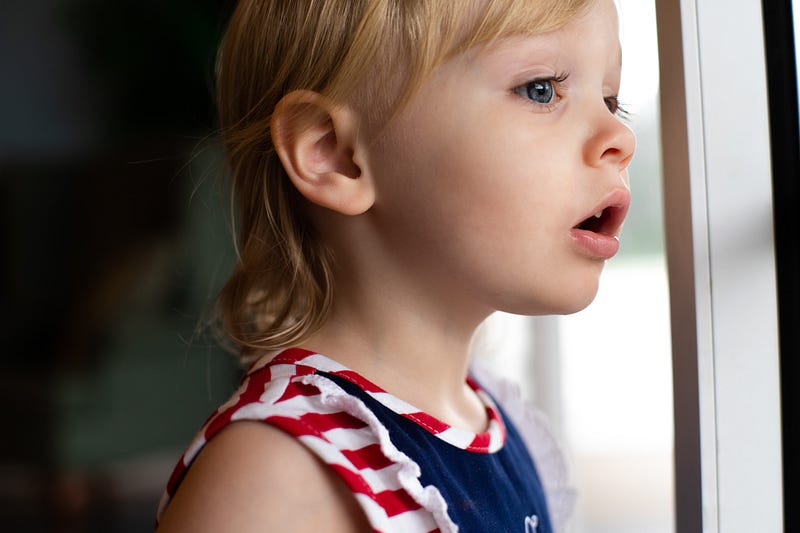
Introverted children are naturally inclined towards quiet introspection and prefer solitary activities. However, parents often face a dilemma when raising introverted children in a society that values extroversion. This leads to parents attempting to change their introverted children, a process driven by various factors ranging from societal expectations to a parent’s perceptions of what’s best for their child.
Society frequently glorifies extroverted traits such as assertiveness, sociability, and active participation in group settings. As a result, parents might feel compelled to mold their introverted children into extroverted individuals, believing these qualities will give them an advantage in social interactions and future endeavors. The pressure to conform to these societal norms can lead parents to push their introverted children to change.
Parents worry about their children’s well-being and success. In the case of introverted children, parents may perceive their preference for solitude as a sign of social isolation or lack of social skills. Fearing that their children might face difficulties making friends or networking in the future, parents might believe that encouraging extroverted behaviors will lead to improved social outcomes.

One of the key factors driving parents to try and change their introverted children is a fundamental misunderstanding of what introversion entails. Introversion is often misconstrued as shyness or social anxiety, leading parents to believe their child needs to be “fixed.” Educating parents about the natural spectrum of personalities and the value of introverted traits could reduce pressure to change introverted children.
Parents may unconsciously project their desires and experiences onto their children. If a parent is extroverted or wish they were more extroverted, they might inadvertently encourage their introverted child to be different from who they naturally are. This projection can stem from a well-intentioned desire to spare the child from perceived challenges the parent faced.
Parents might witness their child struggling to fit in or make friends due to their introverted tendencies, which can lead parents to believe that changing their child’s behavior is necessary to ensure acceptance. Peer pressure can amplify these concerns, making parents feel that altering their child’s personality is a way to protect them from potential social rejection.
A lack of understanding of the benefits of introversion can also contribute to the drive to change introverted children. Introverted traits, such as deep thinking, creativity, and excellent listening skills, are often overlooked.
Educating parents about introversion’s strengths could reshape their perspective and reduce the urge to modify their child’s natural disposition. Cultural and generational factors play an important role in shaping parental attitudes.
In cultures emphasizing collectivism and group dynamics, introverted behavior might be seen as counterproductive or disrespectful. Additionally, older generations might adhere more strongly to traditional norms, viewing introversion as a deviation that needs correction.
While it’s understandable that parents want the best for their children, forcing introverted children to change their fundamental nature can harm their self-esteem and overall well-being. Instead, parents should aim to support and nurture their child’s natural inclinations while encouraging them to develop necessary social skills that align with their personality.
A balance between respecting the child’s introversion and helping them navigate social situations can lead to healthier development and a more authentic sense of self.
Please follow me subscribe to my profile for inspiring and entertaining stories and visit my referral link to get full stories