avatarYuri Minamide

Free AI web copilot to create summaries, insights and extended knowledge, download it at here

3948

Abstract

t be filled with gorgeous kimono, right?</p><p id="43ba">However, when I grew up, I came into contact with a broader society and was shocked to find that not everyone wore a kimono. Belatedly, I began to realise that we might be a minority.</p><p id="d604">In fact, according to <a href="https://prtimes.jp/main/html/rd/p/000001140.000007815.html">one survey taken in 2022</a>, 8.4% of Japanese people wear a kimono once or more a year. Only 1.5% wear it once or more a month, meaning I am in a very small group.</p><p id="3b87">On the other hand, nearly 20% of the respondents can wear a kimono by themselves, and 25% say they would like to wear a kimono. In particular, 50–60% of women in their 10s–30s show interest. Therefore, the number of kimono wearers might increase further in the future.</p><h1 id="734ac616-4988-4b6c-83bc-1781f8e1afaa">Kimono wearers are classified into six types</h1><figure id="f456"><img src="https://cdn-images-1.readmedium.com/v2/resize:fit:800/0*U1PEErcOXPHev7f6"><figcaption>Photo by <a href="https://unsplash.com/@maria_cassagne?utm_source=medium&amp;utm_medium=referral">Maria Cassagne</a> on <a href="https://unsplash.com?utm_source=medium&amp;utm_medium=referral">Unsplash</a></figcaption></figure><p id="7560c4d1-e633-46d2-b316-25048e2e761a">More than ten years ago, I started to observe and actively communicate with other kimono wearers in various places, both online and in real life. I have come to the conclusion that there are roughly six types.</p><h2 id="f4ec">(1) You belong to the upper class</h2><figure id="a509"><img src="https://cdn-images-1.readmedium.com/v2/resize:fit:800/0*kmDcNYNrypbkYX7o"><figcaption>Photo by <a href="https://unsplash.com/@whmii?utm_source=medium&amp;utm_medium=referral">Will H McMahan</a> on <a href="https://unsplash.com?utm_source=medium&amp;utm_medium=referral">Unsplash</a></figcaption></figure><p id="bb75">Even though there are no clear social classes in Japan like in the UK, in reality, some people lead a noble and wealthy life. A very high proportion of them, especially women, are familiar with the kimono. For them, kimono is the main attire worn when attending parties, dining at luxury hotels and seeing <a href="https://readmedium.com/noh-the-true-essence-of-japanese-traditional-culture-8e707d01b62e">Noh performances</a>. Some people dress themselves, while others have dressers.</p><h2 id="657e">(2) Your family members wear kimono</h2><figure id="6132"><img src="https://cdn-images-1.readmedium.com/v2/resize:fit:800/0*SBT7WXPGdXoByOoT"><figcaption>Photo by <a href="https://unsplash.com/@spensersembrat?utm_source=medium&amp;utm_medium=referral">Spenser Sembrat</a> on <a href="https://unsplash.com?utm_source=medium&amp;utm_medium=referral">Unsplash</a></figcaption></figure><p id="eff6">I fall into this category. If your family members are kimono wearers, they can dress you in a kimono. That way, you experience its charm firsthand, so you will start to wear it sooner or later. We have no need to buy a kimono either, because they can be passed down from our family. This is a traditional way for the Japanese to keep wearing kimono for centuries.</p><h2 id="0e38">(3) You practise Japanese traditional arts</h2><figure id="423e"><img src="https://cdn-images-1.readmedium.com/v2/resize:fit:800/0*UaTRU2J9FP39ZxN8"><figcaption>Photo by <a href="https://unsplash.com/@gronemo?utm_source=medium&amp;utm_medium=referral">Roméo A.</a> on <a href="https://unsplash.com?utm_source=medium&amp;utm_medium=referral">Unsplash</a></figcaption></figure><p id="9b97">There are many people who become familiar with the kimono through Japanese sports and arts, such as Judo, Kendo, Japanese archery, tea ceremony, Japanese dance, etc. They very often begin to wear a kimono outside lessons, too. Today, this group is quite large. In particular, those who practice the tea ceremony wear a kimono, and many have good knowledge of the kimono culture.</p><h2 id="

Options

6d6b">(4) You work in the traditional industry</h2><figure id="13e7"><img src="https://cdn-images-1.readmedium.com/v2/resize:fit:800/1*SykD4sS5o2N3Gw6XFDN9lA.jpeg"><figcaption>Accessories made of vintage kimono fabrics (Photo by author)</figcaption></figure><p id="cced">Kimono makers, kimono dressers and workers in Japanese restaurants and inns wear a kimono on a daily basis. They do not necessarily wear a kimono in their personal lives but often choose one for parties and outings. Since they are used to wearing it, their movements are most natural and elegant.</p><h2 id="a50c">(5) You are interested in kimono as a fashion item</h2><figure id="cf1d"><img src="https://cdn-images-1.readmedium.com/v2/resize:fit:800/1*Dk9RzxJ4943zhFW_9obCmQ.jpeg"><figcaption>Freddie Mercury wore a kimono on the stage and hosted kimono parties (Photo by author)</figcaption></figure><p id="523e">To my delight, there is an increase in the number of people who appreciate the kimono as a fashion item. This includes foreigners, such as <a href="https://readmedium.com/freddie-mercury-his-life-with-beloved-cats-and-kimono-538746b55119">superstar Freddie Mercury</a>, who are familiar with the kimono. Some study the history of kimono and prefer the traditional way of wearing it, and others show creativity by blending Japanese and Western styles.</p><h2 id="1f62">(6) You enjoy kimono as Cosplay</h2><figure id="87bf"><img src="https://cdn-images-1.readmedium.com/v2/resize:fit:800/0*KTT1T5IMvTxYyT0g"><figcaption>Photo by <a href="https://unsplash.com/@soltanloo?utm_source=medium&amp;utm_medium=referral">Hossein Soltanloo</a> on <a href="https://unsplash.com?utm_source=medium&amp;utm_medium=referral">Unsplash</a></figcaption></figure><p id="b69c2703-7b01-40a7-8c96-77b234f30779">Many people in Japan and abroad are interested in <a href="https://en.wikipedia.org/wiki/Cosplay">Cosplay</a> of the characters wearing a kimono in Anime, Manga and games. To appear in kimono at events and on social media, they use a traditional Japanese kimono or create their own kimono-inspired costumes. This is more common among young people.</p><h1 id="8b20ca00-ff77-4591-8432-95dea8643e97">Summary: Kimono connects people</h1><figure id="333a"><img src="https://cdn-images-1.readmedium.com/v2/resize:fit:800/1*vDPhuPEKnhks_cTYG21E_w.jpeg"><figcaption>Writer Natalie Leon (left), Kimono designer Tia Oguri (centre) and author (Photo by author)</figcaption></figure><p id="5163">We have explored six types above, but quite a few kimono wearers fall into more than one category, because often, you start from one class but move to another over time. In that sense, you can always broaden your horizons no matter where you begin.</p><p id="18c9">In my case, I have made many friends from the upper class only because we have kimono in common. I also started to take tea ceremony lessons and enjoy Noh and Kabuki performances. I have met <a href="https://readmedium.com/uber-dandy-kimono-give-a-new-lease-of-life-to-vintage-kimono-f26c99e9e7da">kimono designer Tia Oguri</a> and other creative people. Yes, kimono wearers are a minority, but that makes it easier for us to interact beyond barriers, which is an unexpected, enormous benefit.</p><p id="a782">Above all, I love the kimono with all my heart. For me, no garment exists that is so comfortable and beautiful. It is now indeed part of my identity.</p><p id="a50a">As I mentioned at the beginning of this article, I have been wearing a kimono since I was two. As the Japanese saying goes, <i>the soul of a three-year-old child will be the same until they turn 100 years old </i>(三つ子の魂百まで). So, I will always be wearing a kimono. Just like eating rice. Just like drinking green tea. <i>Arigato, Obaachan</i> (Thank you, Grandma)💓</p><p id="5921" type="7">Thank you for reading. Is there anything you find interesting about kimono? Do you have a long-time custom inspired by your beloved people?</p></article></body>

Who Are Modern Kimono Wearers?

My personal story and six categories of kimono wearers
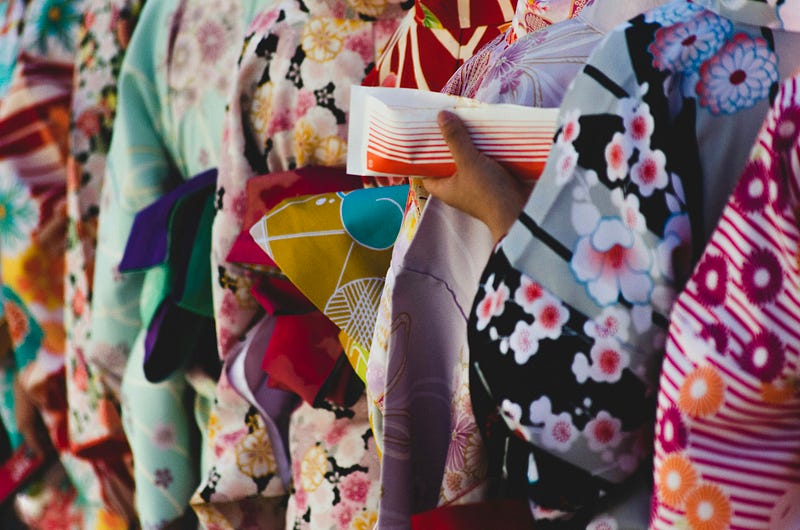
Photo by Bruno Aguirre on Unsplash

The kimono is a traditional Japanese garment. Kimono means something to wear in Japanese, including sportswear, workwear and casual and formal wear.

It is often said that the kimono is only worn on ceremonial occasions in Japan today, which is incorrect. The kimono is indeed worn for weddings and coming-of-age ceremonies, but there are many more people than most think who frequently wear a kimono for parties and outings, or as everyday clothes.

In this article, we will explore how many people wear kimono today and for what reasons. I hope to update your perception of kimono and Japanese culture.

I am a native kimono wearer
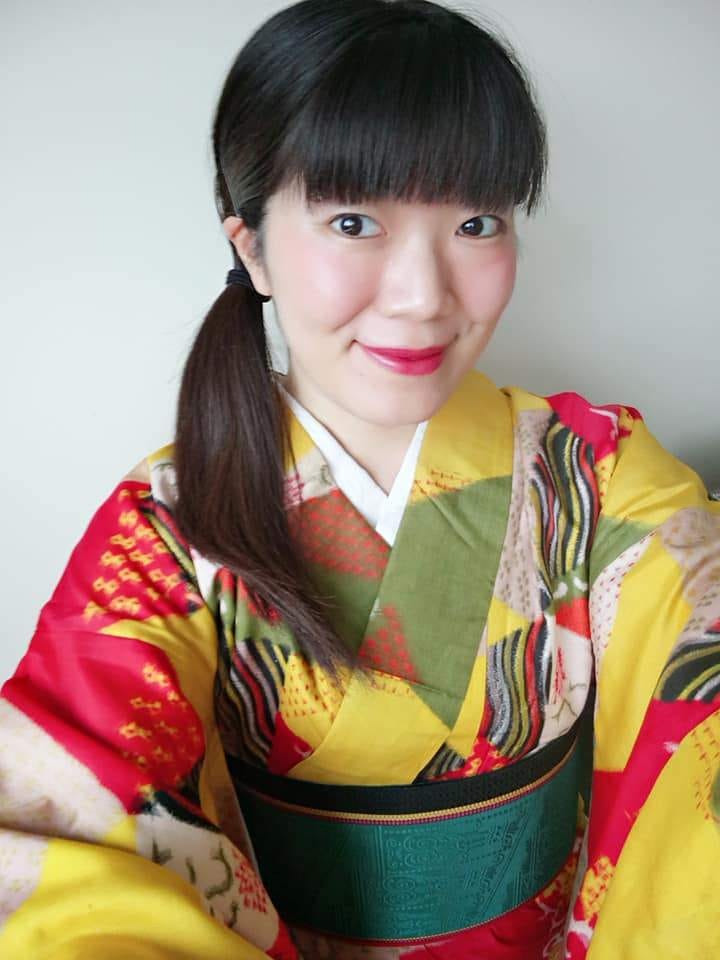
Author in a colourful Meisen silk kimono (Photo by author)

My paternal grandmother was a kimono tailor. Due to the nature of the silk material, everything must be sewn by hand. She did much work that could only be entrusted to a highly skilled tailor, such as bridal gowns.
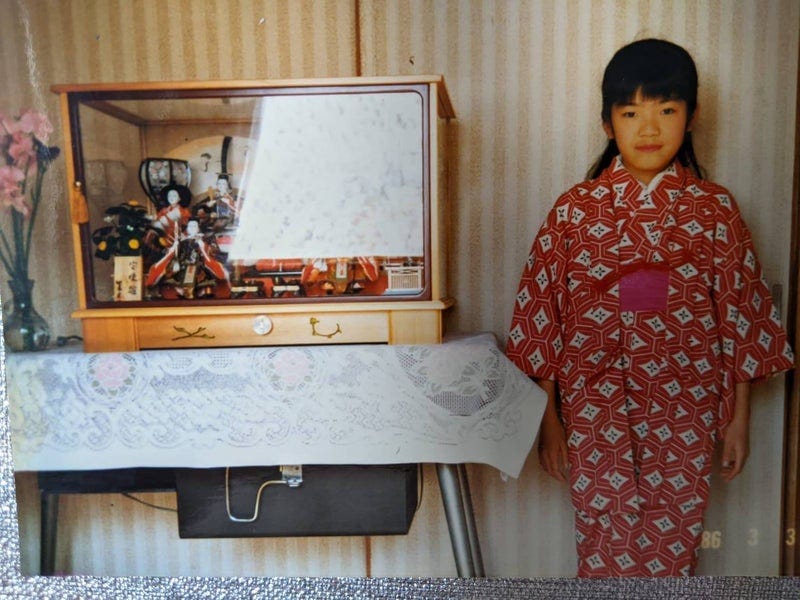
Author at the age of nine, wearing a wool kimono (Photo by author)

Her influence on me was so significant that when I look at our family album, I see I have been dressed in a full kimono since I was two.

Although most Japanese children wear a kimono from age three for the Shichi-Go-San ceremony (七五三), they usually don’t sport a proper Obi belt then. It is customary for girls to put on a proper Obi for the first time at the age of seven as part of the Obi Release ceremony (帯解の儀). Therefore, few kimono shops sell complete kimono sets for girls under seven.

However, my grandmother could tailor anything herself, so from when I was two years old, I wore a kimono just as adult women do. I looked as happy in a kimono as I am today! Maybe I will show you the photos in another article.

The photo above is me at the age of nine. It must have been the Girls’ Day. I wore a casual wool kimono, a matching Haori jacket and a soft Heko obi. Although I didn’t sport a kimono daily, I was often dressed in one for New Year’s Day and other occasions. My grandmother wore a kimono as an everyday garment, so the kimono was always around me. I felt it as normal as eating rice and drinking green tea.

8.4% of the Japanese still wear kimono, at least sometimes
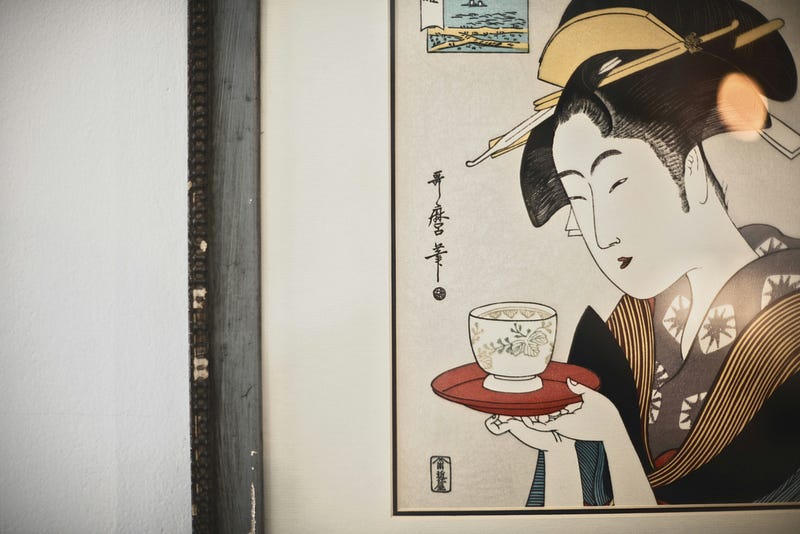
Photo by nomao saeki on Unsplash

Children tend to think what they see is the norm. In the same way, I grew up believing everyone was wearing a kimono, because my relatives and the people around me often wore it. My best friend was even the daughter of a kimono shop owner. So, this world must be filled with gorgeous kimono, right?

However, when I grew up, I came into contact with a broader society and was shocked to find that not everyone wore a kimono. Belatedly, I began to realise that we might be a minority.

In fact, according to one survey taken in 2022, 8.4% of Japanese people wear a kimono once or more a year. Only 1.5% wear it once or more a month, meaning I am in a very small group.

On the other hand, nearly 20% of the respondents can wear a kimono by themselves, and 25% say they would like to wear a kimono. In particular, 50–60% of women in their 10s–30s show interest. Therefore, the number of kimono wearers might increase further in the future.

Kimono wearers are classified into six types
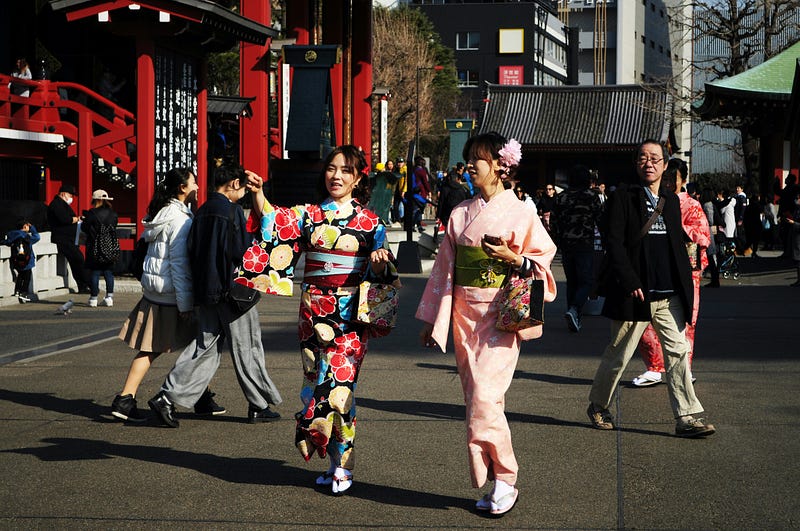
Photo by Maria Cassagne on Unsplash

More than ten years ago, I started to observe and actively communicate with other kimono wearers in various places, both online and in real life. I have come to the conclusion that there are roughly six types.

(1) You belong to the upper class
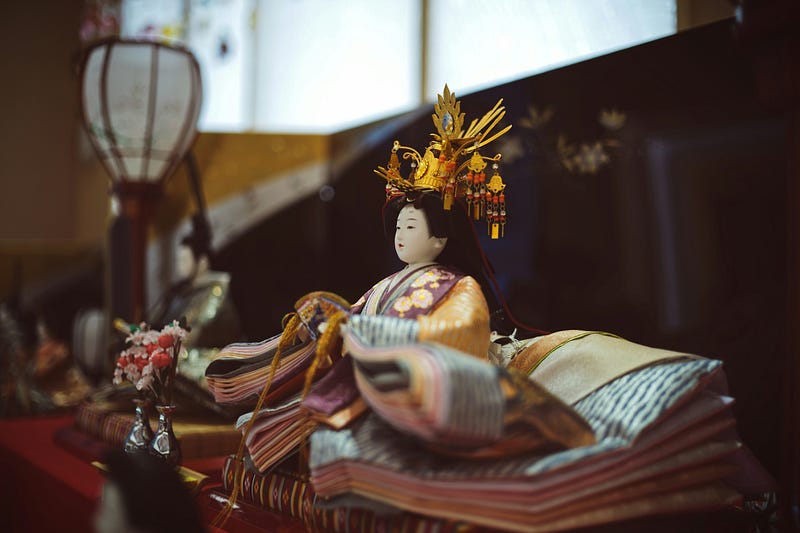
Photo by Will H McMahan on Unsplash

Even though there are no clear social classes in Japan like in the UK, in reality, some people lead a noble and wealthy life. A very high proportion of them, especially women, are familiar with the kimono. For them, kimono is the main attire worn when attending parties, dining at luxury hotels and seeing Noh performances. Some people dress themselves, while others have dressers.

(2) Your family members wear kimono
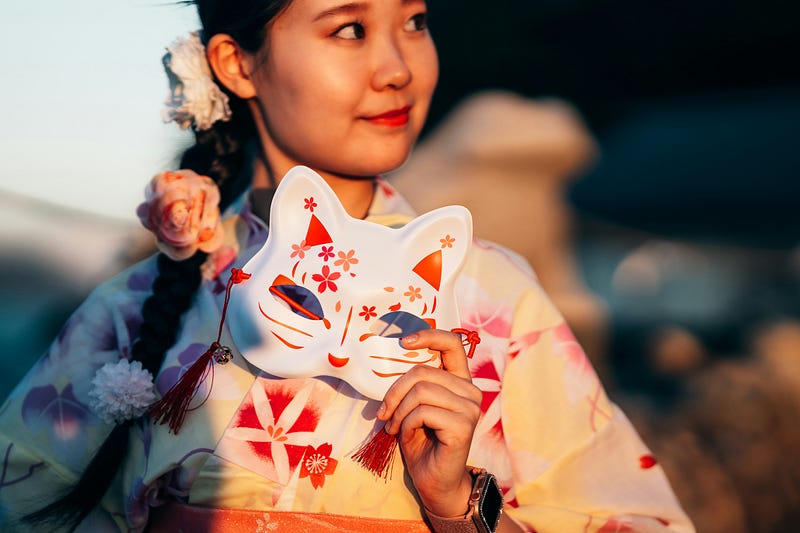
Photo by Spenser Sembrat on Unsplash

I fall into this category. If your family members are kimono wearers, they can dress you in a kimono. That way, you experience its charm firsthand, so you will start to wear it sooner or later. We have no need to buy a kimono either, because they can be passed down from our family. This is a traditional way for the Japanese to keep wearing kimono for centuries.

(3) You practise Japanese traditional arts
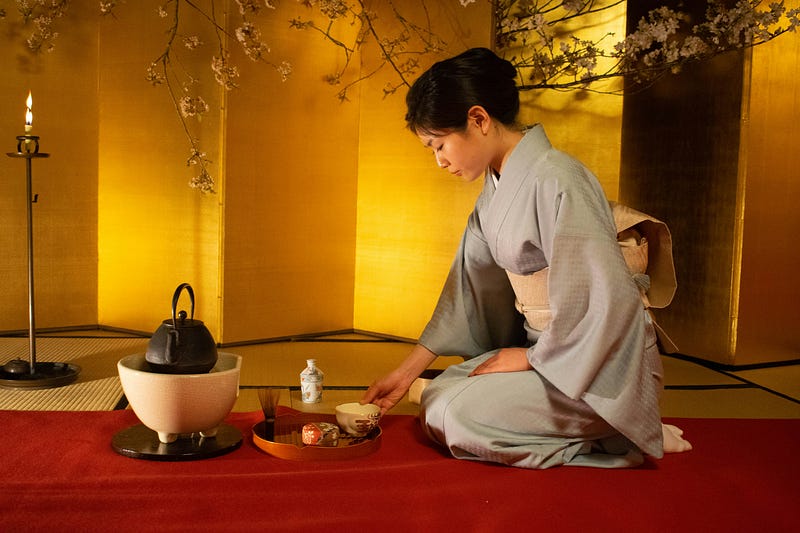
Photo by Roméo A. on Unsplash

There are many people who become familiar with the kimono through Japanese sports and arts, such as Judo, Kendo, Japanese archery, tea ceremony, Japanese dance, etc. They very often begin to wear a kimono outside lessons, too. Today, this group is quite large. In particular, those who practice the tea ceremony wear a kimono, and many have good knowledge of the kimono culture.

(4) You work in the traditional industry
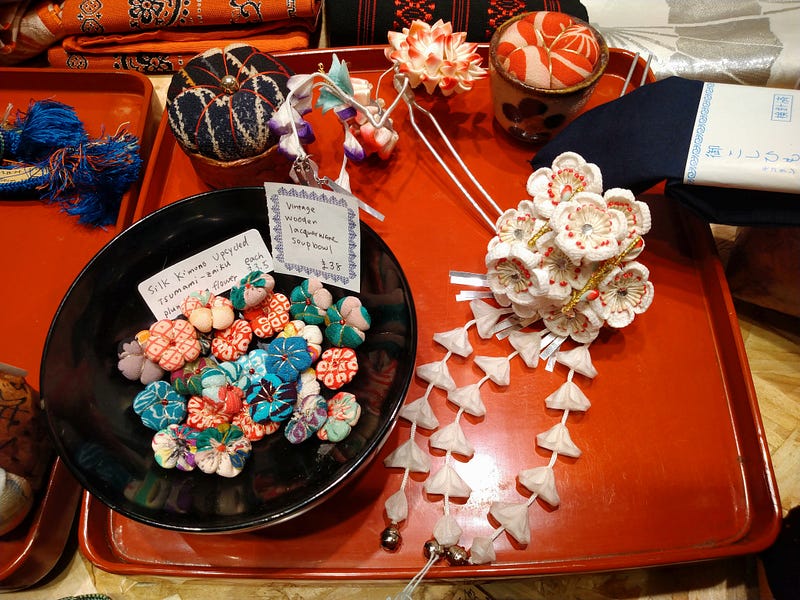
Accessories made of vintage kimono fabrics (Photo by author)

Kimono makers, kimono dressers and workers in Japanese restaurants and inns wear a kimono on a daily basis. They do not necessarily wear a kimono in their personal lives but often choose one for parties and outings. Since they are used to wearing it, their movements are most natural and elegant.

(5) You are interested in kimono as a fashion item
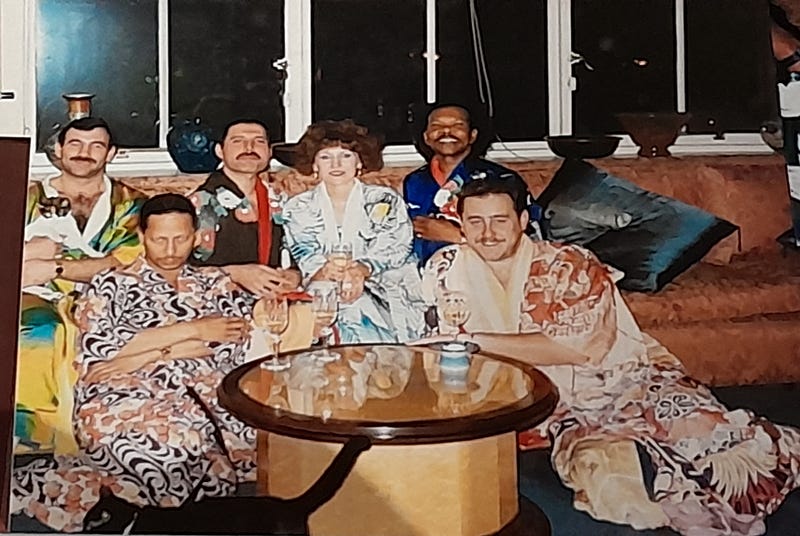
Freddie Mercury wore a kimono on the stage and hosted kimono parties (Photo by author)

To my delight, there is an increase in the number of people who appreciate the kimono as a fashion item. This includes foreigners, such as superstar Freddie Mercury, who are familiar with the kimono. Some study the history of kimono and prefer the traditional way of wearing it, and others show creativity by blending Japanese and Western styles.

(6) You enjoy kimono as Cosplay
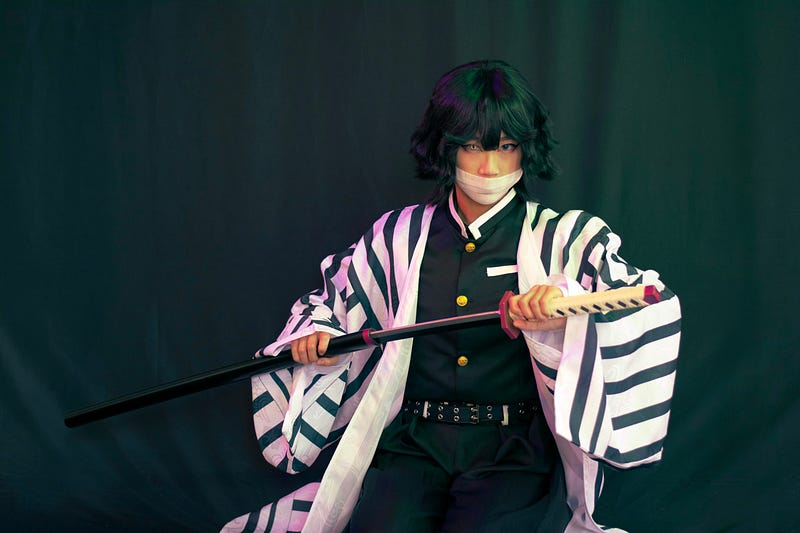
Photo by Hossein Soltanloo on Unsplash

Many people in Japan and abroad are interested in Cosplay of the characters wearing a kimono in Anime, Manga and games. To appear in kimono at events and on social media, they use a traditional Japanese kimono or create their own kimono-inspired costumes. This is more common among young people.

Summary: Kimono connects people
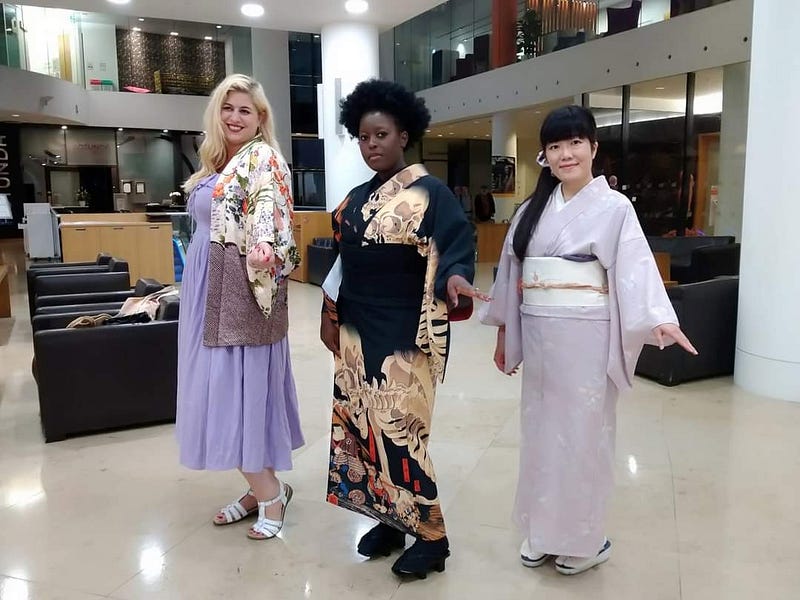
Writer Natalie Leon (left), Kimono designer Tia Oguri (centre) and author (Photo by author)

We have explored six types above, but quite a few kimono wearers fall into more than one category, because often, you start from one class but move to another over time. In that sense, you can always broaden your horizons no matter where you begin.

In my case, I have made many friends from the upper class only because we have kimono in common. I also started to take tea ceremony lessons and enjoy Noh and Kabuki performances. I have met kimono designer Tia Oguri and other creative people. Yes, kimono wearers are a minority, but that makes it easier for us to interact beyond barriers, which is an unexpected, enormous benefit.

Above all, I love the kimono with all my heart. For me, no garment exists that is so comfortable and beautiful. It is now indeed part of my identity.

As I mentioned at the beginning of this article, I have been wearing a kimono since I was two. As the Japanese saying goes, the soul of a three-year-old child will be the same until they turn 100 years old (三つ子の魂百まで). So, I will always be wearing a kimono. Just like eating rice. Just like drinking green tea. Arigato, Obaachan (Thank you, Grandma)💓

Thank you for reading. Is there anything you find interesting about kimono? Do you have a long-time custom inspired by your beloved people?

Japan
Culture
Kimono
Tradition
Family
Recommended from ReadMedium