avatarJim Dee, OG Web3 Dev & Generative NFT Code Expert

Free AI web copilot to create summaries, insights and extended knowledge, download it at here

2294

Abstract

t few know anything about? And I think the answer is …</p><h2 id="2003">Potential.</h2><p id="70d9">And if bots are “thinking” this, then people are thinking this way, too (and some of them are programming bots to act for them). The idea is this:</p><ul><li>There are thousands of NFT drops coming down the pike.</li><li>Some of them will become popular (and thus potentially profitable, especially for the whitelisted few).</li><li>But no one really knows which ones.</li><li>Ergo, if your end-goal is profitability no matter what, the best play is to point bots at every possible shot on goal.</li></ul><p id="2a72">Naturally, these bots (or, rather the <i>owners </i>of these bots) have zero intention of minting anything that isn’t a guaranteed 2–10x (or whatever their metric may be). And so for the vast majority of WL spots out there (especially for those that merely required signing up and without and “grind” aspect), all they’re doing is taking up space on your list.</p><p id="1119">Now, thankfully we have Merkle trees and APIs to minimize gas costs with respect to checking whitelist addresses and allowing minting. But that’s a small thing compared to how all of these unminted spots really screw up an NFT drop’s overall strategy.</p><p id="9aba">For example, if you amass 10,000 wallets, and you therefore set a wallet limit of 1 to guarantee each wallet a mint, and if a tiny percentage of the wallets actually mint, well that’s problematic. For one, you could have put a much higher wallet limit. And for two, you could have collected tons and tons more wallets.</p><p id="5482">That all said, gauging an upcoming mint based solely on wallet count in a whitelist is just <a href="https://readmedium.com/terminology-of-the-nft-space-aping-mooning-rugging-paperhands-diamondhands-lfg-7524db22185c">NGMI</a> in terms of a strategy.</p><h1 id="ebd1">What DOES Count, Then?</h1><p id="e918">→ <b>Community.</b></p><p id="db91">Always has counted, and always will count. (<a href="https://readmedium.com/funding-2-million-projects-via-generative-nfts-launching-amazing-communities-at-scale-937c48f0f74a">Read this article, which is ostensibly about raising $2 million in ETH via NFT drops, but also stresses the community aspect.</a>)</p><p id="44d1">And so the way to gauge how ma

Options

ny mints you’ll get (which is always difficult at best) is to gauge your community. The more active, hyped, whooped-up, whatever you want to call it, the more mints you’ll get. You should be looking for Discords that have so much conversation that it’s nearly impossible to keep track as the convo scrolls up the page. You should be looking for significant Twitter activity not just from the team, but from community members.</p><ul><li>High engagement = high percentage of mints.</li><li>Low engagement could mean zero mints, even with many thousands on a whitelist. (Because, remember, those bots aren’t going to mint unless it’s profitable for them to do so. And they’re watching as close as anyone.)</li></ul><p id="a452">Community building is the answer here, and should be the primary focus during a generative NFT promotional period. Once you’ve got community, <i>then </i>look at your numbers and devise a strategy for the whitelist.</p><p id="4f14">I haven’t looked at my older article on whitelists in a while, but I expect it’s still highly valid here and I’d recommend consulting it for many considerations involved in this key strategic decision-making step with respect to generative NFTs:</p><div id="2e1d" class="link-block"> <a href="https://readmedium.com/strategies-for-nft-teams-regarding-whitelists-allow-lists-presale-lists-how-many-wallets-to-23bb30ac8037"> <div> <div> <h2>Strategies for NFT Teams Regarding Whitelists, Allow Lists, Presale Lists— How Many Wallets to…</h2> <div><h3>Focusing on 10k generative NFT sets.</h3></div> <div><p>medium.com</p></div> </div> <div> <div style="background-image: url(https://miro.readmedium.com/v2/resize:fit:320/0*R_r4EdY36dqa_MEP)"></div> </div> </div> </a> </div><figure id="da50"><img src="https://cdn-images-1.readmedium.com/v2/resize:fit:800/0*qdA0d0yIHWORcFDs"><figcaption>Jim Dee is a prolific writer, developer, and multi-media creator from Portland. You can find him, his businesses, his books, and more at <a href="https://jpd3.com/">JPD3.com</a>. Thanks for reading! Cat image here courtesy of Midjourney AI.</figcaption></figure></article></body>

NFTs, NFT Team Management, Strategy

Whitelist 👏 Count 👏Doesn’t 👏Predict 👏How 👏Many 👏NFT 👏 Mints 👏Will 👏Happen.

And it hasn’t for a good long while.
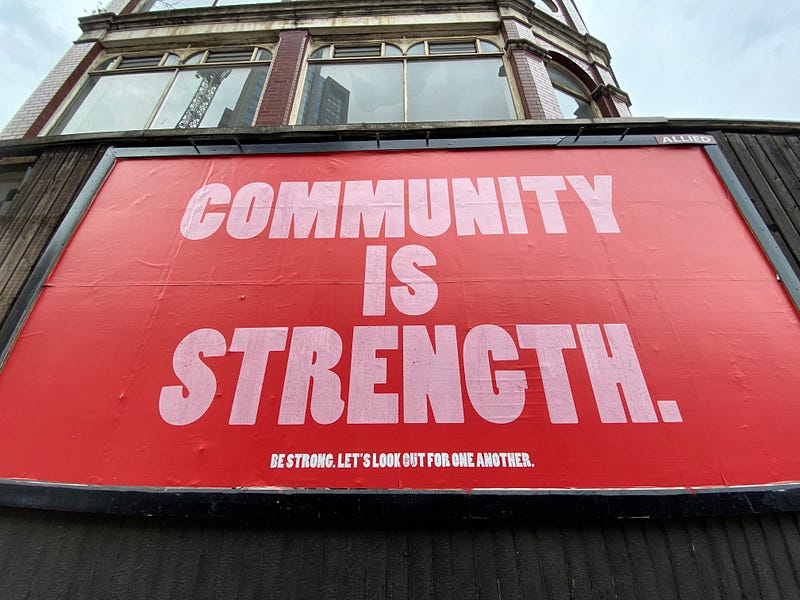
Photo by John Cameron on Unsplash

It’s just something I can’t stress enough for NFT teams planning a generative NFT drop. Whether you’re using Premint, or its new (free) competitor Heymint, or SweepWidget, or a web form connected to a Google doc, or even just doing things manually/old-school with a spreadsheet somewhere, here’s the deal:

Your Whitelist Size Is NOT an Indicator of How Many Mints You’ll Get

This is something I’ve seen many, many times in the field. Ultimately, the problem is a carryover from the mid-2021 heyday of generative NFT drops. Back then, as we all remember, whitelist size meant something — maybe not everything, but it was a decent indicator.

And then… things just changed. Crypto hit a bear market, NFT hype died down a good bit for new drops (esp. from non-influencer teams), and bots emerged to attempt to take over any and every aspect of the space that they could.

Oh, those bots were evil, weren’t they? I remember the Pepsi mint and it selling out in mere seconds, widely attributed to bots. And that was seven months back. And I recall numerous other mints back then that would get “botted out” in minutes. Some drops implemented various anti-bot scenarios and strategies — some successfully, some not.

I was talking with someone recently from a team who’d setup a wallet collection functionality and who had bots overwhelm it with thousands of submissions — and this was for a mint not even scheduled yet.

The big question in my mind, initially was: Why? Why would bots auto-whitelist for a mint that few know anything about? And I think the answer is …

Potential.

And if bots are “thinking” this, then people are thinking this way, too (and some of them are programming bots to act for them). The idea is this:

  • There are thousands of NFT drops coming down the pike.
  • Some of them will become popular (and thus potentially profitable, especially for the whitelisted few).
  • But no one really knows which ones.
  • Ergo, if your end-goal is profitability no matter what, the best play is to point bots at every possible shot on goal.

Naturally, these bots (or, rather the owners of these bots) have zero intention of minting anything that isn’t a guaranteed 2–10x (or whatever their metric may be). And so for the vast majority of WL spots out there (especially for those that merely required signing up and without and “grind” aspect), all they’re doing is taking up space on your list.

Now, thankfully we have Merkle trees and APIs to minimize gas costs with respect to checking whitelist addresses and allowing minting. But that’s a small thing compared to how all of these unminted spots really screw up an NFT drop’s overall strategy.

For example, if you amass 10,000 wallets, and you therefore set a wallet limit of 1 to guarantee each wallet a mint, and if a tiny percentage of the wallets actually mint, well that’s problematic. For one, you could have put a much higher wallet limit. And for two, you could have collected tons and tons more wallets.

That all said, gauging an upcoming mint based solely on wallet count in a whitelist is just NGMI in terms of a strategy.

What DOES Count, Then?

→ Community.

Always has counted, and always will count. (Read this article, which is ostensibly about raising $2 million in ETH via NFT drops, but also stresses the community aspect.)

And so the way to gauge how many mints you’ll get (which is always difficult at best) is to gauge your community. The more active, hyped, whooped-up, whatever you want to call it, the more mints you’ll get. You should be looking for Discords that have so much conversation that it’s nearly impossible to keep track as the convo scrolls up the page. You should be looking for significant Twitter activity not just from the team, but from community members.

  • High engagement = high percentage of mints.
  • Low engagement could mean zero mints, even with many thousands on a whitelist. (Because, remember, those bots aren’t going to mint unless it’s profitable for them to do so. And they’re watching as close as anyone.)

Community building is the answer here, and should be the primary focus during a generative NFT promotional period. Once you’ve got community, then look at your numbers and devise a strategy for the whitelist.

I haven’t looked at my older article on whitelists in a while, but I expect it’s still highly valid here and I’d recommend consulting it for many considerations involved in this key strategic decision-making step with respect to generative NFTs:

Jim Dee is a prolific writer, developer, and multi-media creator from Portland. You can find him, his businesses, his books, and more at JPD3.com. Thanks for reading! Cat image here courtesy of Midjourney AI.
Nft
Nft Collectibles
Business
Marketing
Technology
Recommended from ReadMedium