
White Kids Need To Read Black Stories Too
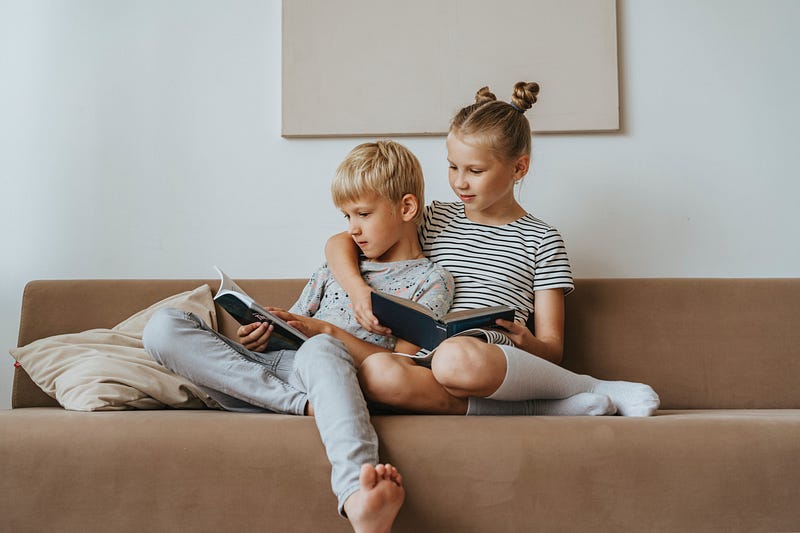
Representation and diversity have long been hot-button topics around media conversations. Oftentimes, there’s a lot of discussion about how meaningful it is for POC to have media that reflects them — and it is very meaningful. But it should also be acknowledged that diverse representation is important for everyone to witness, and particularly for those with the most privilege.
Stories play an important role in helping to shape our understanding of the world from a very young age.
America’s history of redlining and the effects of educational segregation that we still see today mean that a lot of people grow up in racially isolated environments. Many white people have told me about how few POC they knew growing up and how homogenous their neighborhoods were. I remember getting a ride home in high school from a friend who was weirdly excited to realize I was the first Black person to ever get in their car.
In some ways, not much can be done about the demographics of the environments we all grow up in. But our neighborhoods and schools are not the only places where we learn about society. Stories play an important role in helping to shape our understanding of the world from a very young age.
White children (and people of all ages, really) need to read stories that are not centered around their own experiences.
Whiteness is perceived as the default state of existence, which creates an Other out of differing races. This idea is reinforced by an overwhelmingly white media landscape that priorities the stories and histories of white people — typically also male, cisgender, straight, and able-bodied.
In this country, where racism is still one of the major unresolved social problems, books may be one of the few places where children who are socially isolated and insulated from the larger world may meet people unlike themselves. If they see only reflections of themselves, they will grow up with an exaggerated sense of their own importance and value in the world — a dangerous ethnocentrism. (Source)
There is often outrage at the suggestion of teaching white children explicitly about race and racism, supposedly under the guise of protecting their innocence. But in a world where children of color are never too young to experience, suffer from, and be killed by racism, white children are never too young to learn about it and the ways they should avoid perpetuating it.
To any white parents or teachers reading…
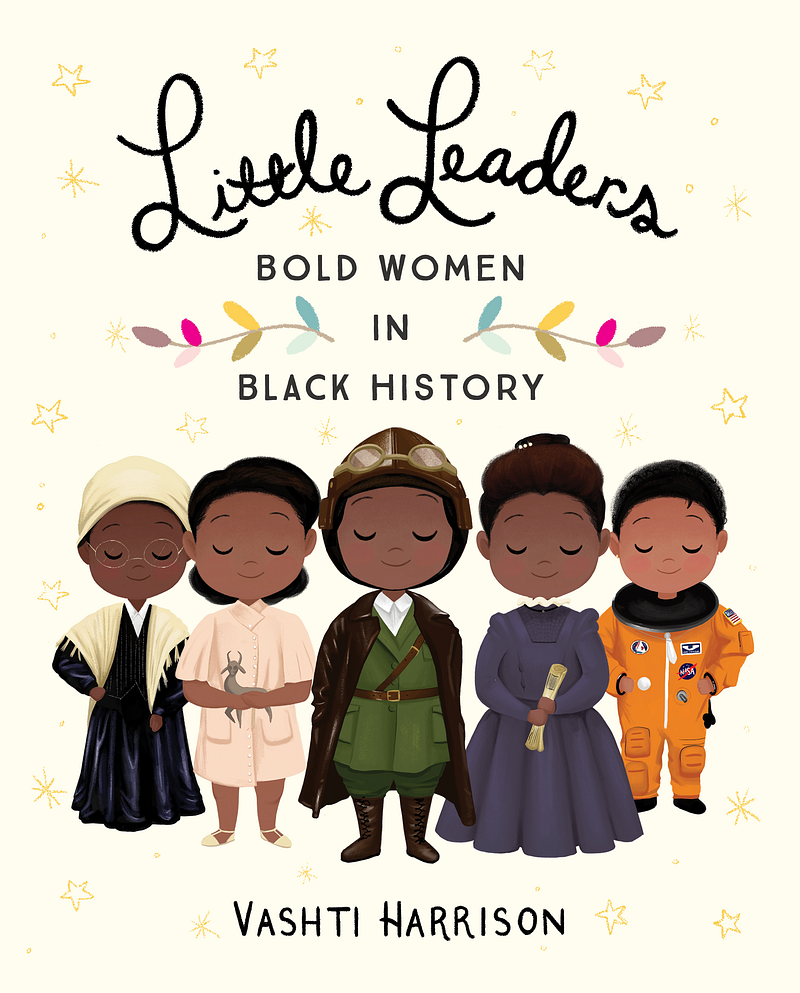
Give your kids stories about Black people written by Black people. The best way to ensure you aren’t perpetuating harmful tropes and stereotypes is to let people from different backgrounds and cultures tell their own stories.
Give them stories about the history of race in America and important figures other than just MLK Jr. Your kids are not going to be taught enough in school to fully understand the depths of race without outside education. That education process needs to start early, and there are age appropriate ways to introduce them to this history.
Give them fun fiction with Black and brown protagonists. Normalize seeing POC as lead characters in the stories that they enjoy. This is the best way to prevent them from becoming one of those people who complain about “forced diversity” in major films and harass the actors of color in their favorite franchises.
Every generation should not have to unlearn racism.
There’s a lot of talk about the “unlearning” process when it comes to racism in America, but knowing all that we know now, there’s no reason white kids still need to be learning the harmful patterns and prejudices that they implicitly pick up in youth. Every generation should not have to unlearn racism. Do the future a favor and give your children Black and brown stories.
More from me:
Sign-up for my newsletter if you’d like to get more of my stories.