
When We Travel By Ourselves, We Are the Least Alone
I met the world, and it showed me who I am.
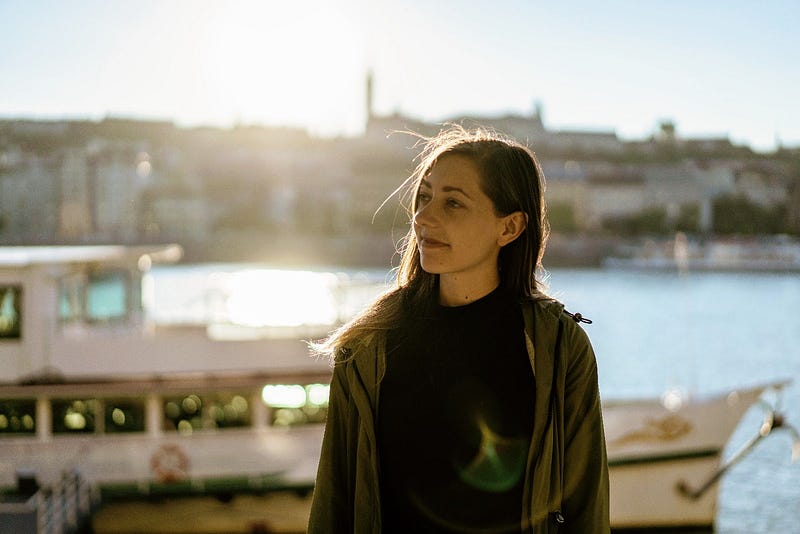
I’ve spun around on this planet for only a few decades. But in my time, I’ve known deep, poignant loneliness. I’ve been alone literally, but also mentally, feeling staggeringly isolated in rooms full of people. As lonely people know, the latter is often more painful.
In the last year, I made the bold move to stop running from that pain.
For dark months, I sat in it, let it envelop me. It was heavy at times, when I cried from lost love, or woke up from nightmares, or battled anxiety while letting no one else see. Making a plan would have been easy: in the past I would have swiped my way to another meaningless dinner date, joined one of thousands of online meetups, or walked around Manhattan basking in its manic glow.
But at its heaviest, my loneliness was most cathartic. I let the stillness tell me quiet things about myself: who I was, who I wanted to be.
At other times loneliness was lighter. For two months it weighed only ten pounds—the weight of my backpack as I trekked around Europe in the autumn, enjoying the golden leaves, rich languages, and dreamy nights all on my own.
During that time, I learned how full the world is. And I somewhat magically discovered that when we travel by ourselves, we are not alone.
There’s a thoughtful essay I bookmarked right before my solo travel, “On Eating Alone in Paris” by Stephanie Rosenbloom for The New York Times. As she reflects:
“When you’re not sitting across from someone, you’re sitting across from the world.”
I memorized this line as I cozied up with midday tea at Kensington Palace, breathing in the blooms and watching families stroll by. I sang it to myself when I drank a Corona at the Sherlock Holmes pub in London, in honor of my dad on what would be his 50th birthday. An older couple sat down next to me—he Irish, she Italian, both with sweaty palms for their first date.
“What are you doing alone?” they inquired.
“I’m here for my dad’s birthday,” I told them honestly, gesturing to the bottled beer. “It was his favorite.”
They bought me another round of frothy beer from the pub, then another. Tommy played 80s hair metal, Maria with her posh blonde bob told about her heroic escape from a 30-year toxic relationship. Cigarette smoke filled the air as we talked about gypsies, about the lush green mountains of Ireland, and the fraught politics of America.
As each took turns going inside the pub, the other would whisper about how they felt about the first date. I called them my “European parents,” they wished me off with travel tips and heartfelt care.
It was then I realized how un-alone I was, even in a big, dark city on another continent.
From that moment on, I embraced my loneliness. Because in traveling alone, I had opened myself up to a world of possibilities.
Outside Dublin, I set out on a tour of the Wicklow Mountains, rich emerald green, stuff of legends. On a bumpy bus I met Tabea from Switzerland, shy but cheery, equipped with a sturdy camera and a smattering of lenses.
In photos she captured the rich fog rolling across the valleys, the soft eeriness of lakes, and the joy in my face as I stood above it all.
Later that night in a pub, as the two-man band played John Denver’s “Take Me Home Country Roads” — my dad’s favorite—we linked arms and swayed to the music as I cried from the core of my belly. I told her how painful the song was to hear, and she gave me a kind pat on the shoulder. The banjo music warmed the old pub, resonated in everyone’s hearts and sneakers, as we all raised a Guinness and breathed in the most enchanting feeling of closeness.
In Paris, loneliness was beginning to weigh me down again. As I crossed the Champs-Élysées or wandered the Louvre, the beauty and grandeur overwhelmed me, but so did my depression. In an alleyway near Notre Dame, I broke down in sobs. I cried for my dad, for the childhood trauma I lugged around in my suitcase, for the regrets and hopes that filled me.
On a tour the next morning, I met Lior from Israel. We met up that evening and he brought a rainbow box of eclairs and macarons. As the sun set near Place de la Concorde, I opened up my heart in full. I told him about my dad’s affairs and how they shattered me. I shared stories of childhood neglect and the lingering voices that told me I was not, and could never be, enough.
My new friend shared trauma from his army days, and told me how wandering wasn’t filling him up, but how small acts of kindness had connected him with people across the globe. In one unthinking instant he bought a plane ticket for a stranger who could never leave her war-torn country, so that she could experience the warmth of his own family —I’ll never forget it.
From Scandinavia to the Balkans, big cities to tiny towns, my journal filled with stories of the people I met.
People whose lives followed straight lines, an orderly and well-planned path. Or those who ended up at a life crossroads and veered off to new continents instead. Some people were young, and others were old. Some were leaving a lot behind, while some were starting anew.
Some people were alone on accident, and some on purpose. There were those who loved solitude, and those who hated it. But we all shared a common journey.
We wanted to understand ourselves on some new level. We wanted to embrace loneliness, no matter what form it was taking. We wanted to come out knowing who we were, and how that could shape us.
And no matter the flow of the conversation, the meals we ate, or the time the night dissolved into dawn, I understood this deeply: I never felt less alone than when I ventured out to meet the world.
We live our lives in comfortable bubbles. And my own bubble of false comfort had suffocated me. I avoided the things that caused me pain, while my post-traumatic fears led me to burrow into routine.
I had spent many years abandoning myself—copying the patterns I had learned as a child. I was my biggest critic. I didn’t feel worthy, and being alone was a safer bet than facing rejection or pain. No one could connect with me, because I let no one inside.
But on shaking off my normalcy and living with loneliness, I faced the deepest pain and emerged as a hero for myself.
As I learned how much the world wanted to meet me and really, truly cared, I began to realize how lovingly I should see myself. Authenticity had been possible because I allowed myself to feel pain. And this was the greatest joy, that led to the deepest connections.
Now as I slink back into a somewhat normal pattern again, I enjoy the comfort while also remembering the feeling of standing on life’s edge, breathing in the highs and lows of being alone and facing one’s pain.
Tesia Blake pressed us for the new year: How will you change your life? In this year, I will learn to not abandon myself. When we travel the world we are most authentically ourselves and therefore the least alone; This is a lesson I will carry with me into a new chapter, wherever my shoes hit the ground.