
GLOBETROTTERS JANUARY TRAVEL WRITING PROMPT
What’s in a Name?
Globetrotters Monthly Challenge: Signs
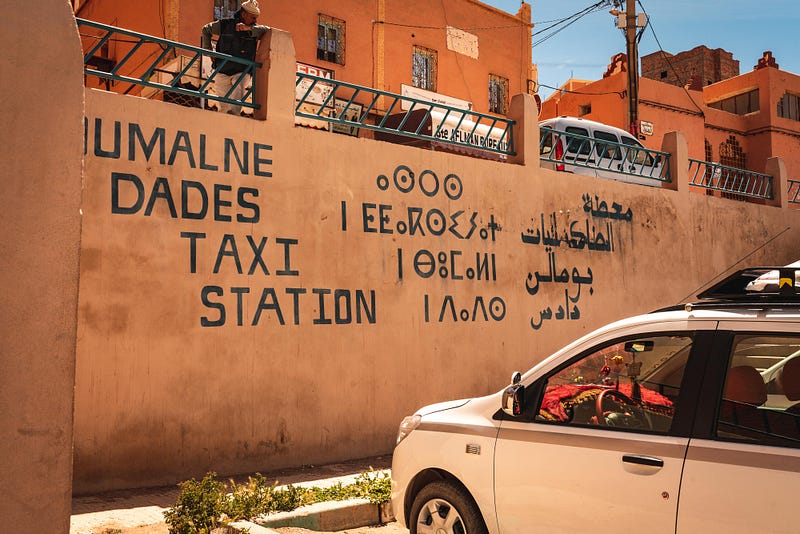
Some of the most telling things about a given culture are how they choose to name things, whether that be their people (for instance, how for a long time in Kosovo, “Bill-Klinton” and Tony-Bler” were popular names for newborns), places (or how a village in Northeast India where the first oilfields were discovered became known as, regrettably, “Digboi,”), or even products/businesses - I remember on one of my first trips out of the USA, in a supermarket in Iceland, discovering that here, Doritos market their “Cool Ranch” chips to “Cool American.” (…Does it taste like Americans?)
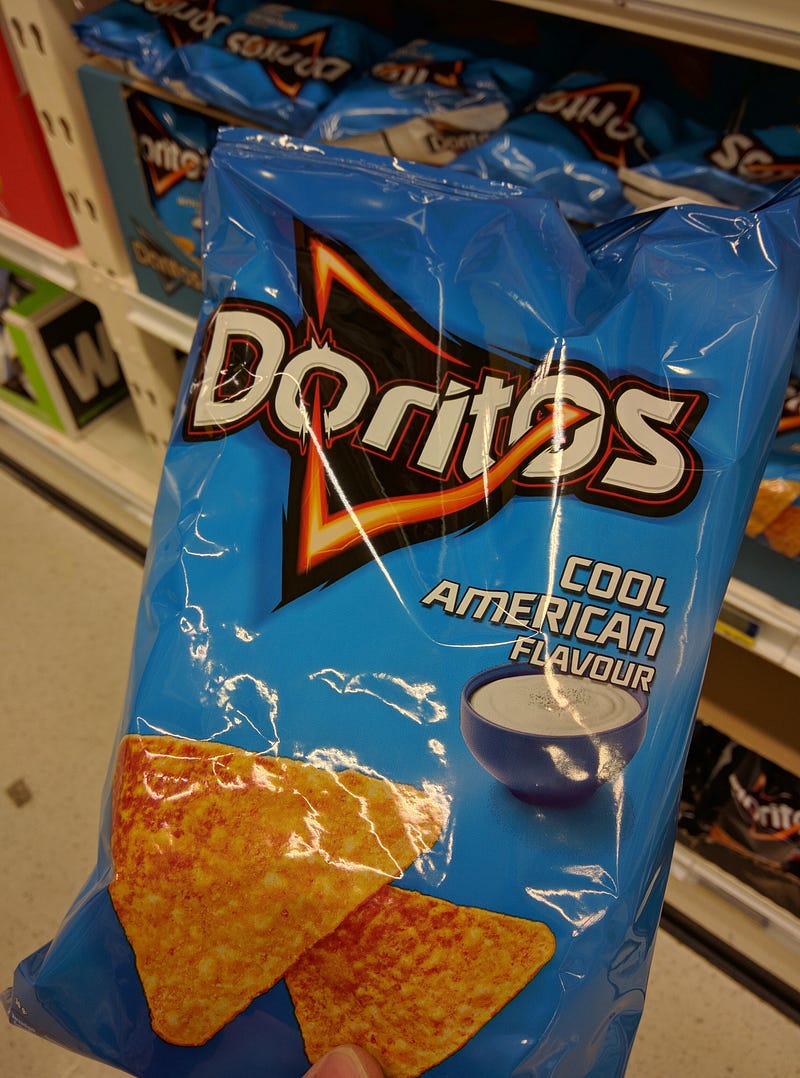
I’ve been for a long time fascinated by all of the above, and that probably partially explains why I tend to spend more time out of my home country than in it.
As travelers, we spend a lot of time navigating roads and cities, and the most noticeable cultural insights for us are often the ones plastered on walls and columns, or staked out on highway signs. (Do you ever notice how in some parts of Europe, they add highway signs with a city’s name struck-through, to tell you the name of the place you’ve just left?) But I also take a lot of joy in reading signs for advertisements and gawking at the names that businesses give themselves in their attempt to draw customers.
There are so many different categories to respond to in this prompt, but I’ll cover the ones I can associate with photographs.
Warning Signs
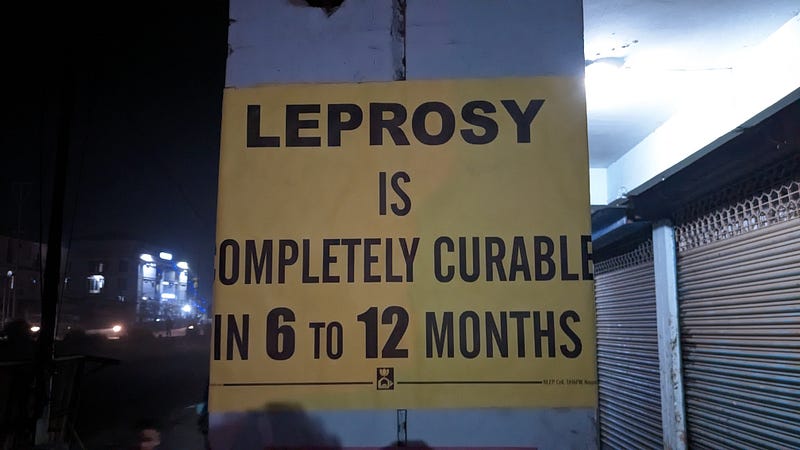
I didn’t know that India still had a relatively significant leprosy problem until I was traveling in Assam in the Northeast and saw signs about it plastered almost everywhere. It’s pretty arresting to stop and ponder the fact that a disease you associated with Biblical events to still be running rampant in this day and age. (Though this is nowhere near as scary as what Tara Torres went through traveling in Liberia during a significant ebola outbreak — article linked below).
Unhelpful Signs
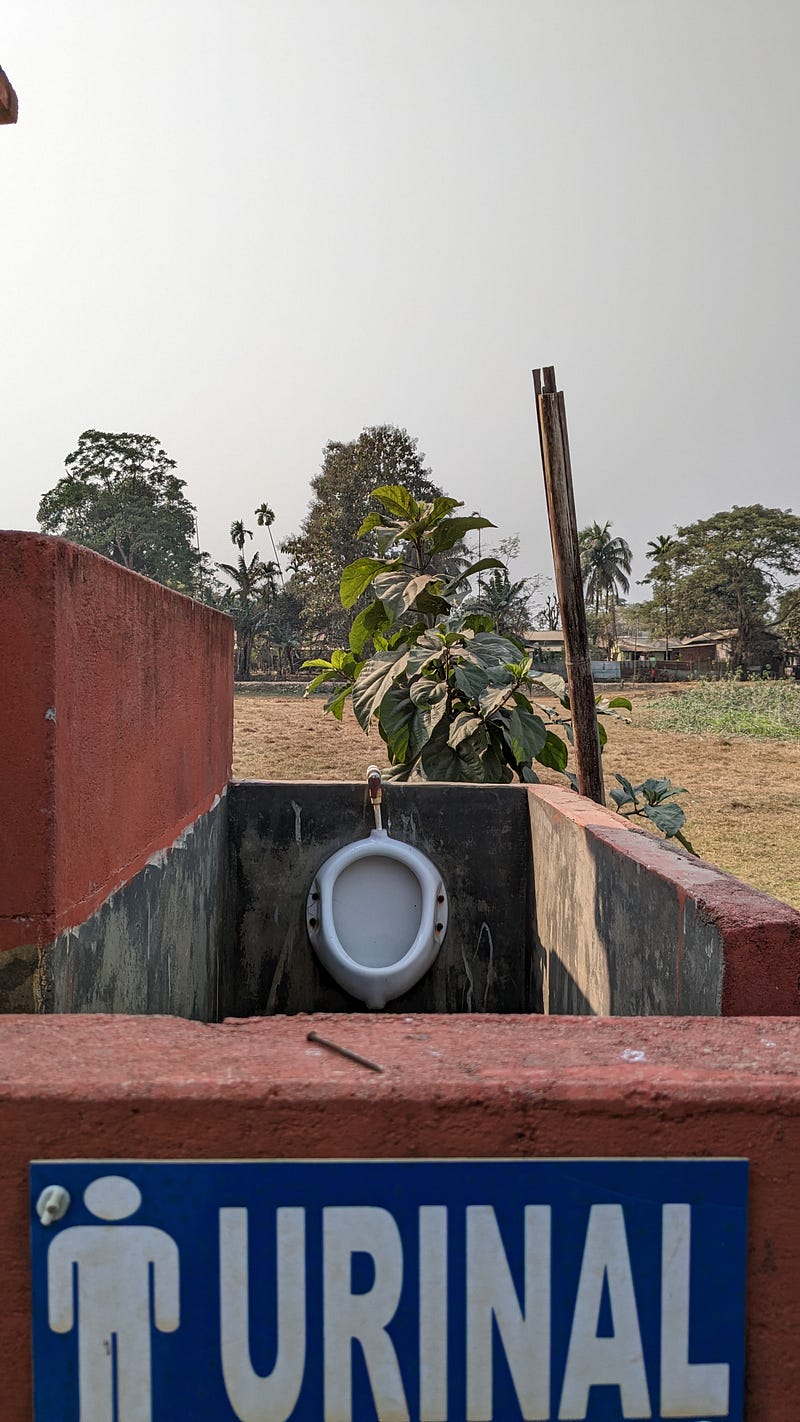
Aside from the signs that have accidental misspellings (which I find fairly comical, though I think it unfair to hold non-English speaking people to adhere to strict spelling standards), some of my favorite signs are the ones that are painfully obvious, and borderline unnecessary. Many signs in India fall into this category. I invite you to savor the following image of the facilities at which I relieved myself while on a documentary assignment in Northeast India:
“How about we over-promise and under-deliver?” - Signs of Nepal
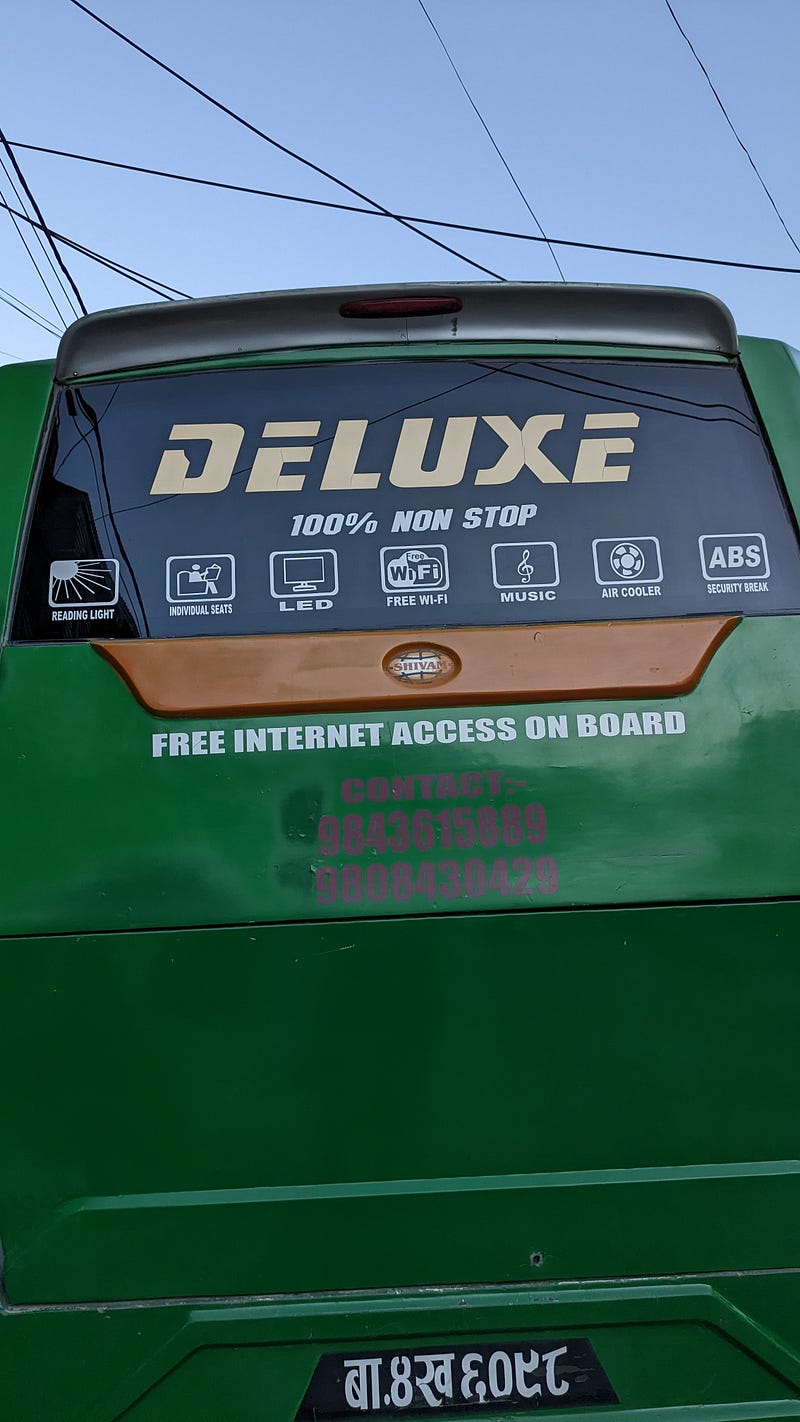
I remember the first time I saw the tourist buses to Pokhara — signs all over the back of the bus saying “Free wifi,” “reading light,” or advertising movies on the ride, etc. And then being so disappointed when I realized that none of that was present (though what kind of made up for it was seeing goats and chickens on the bus though — the rooster in a bag in the overhead luggage clucking a complaint every few minutes). Then you proceed to bump and gyrate over what seems like the lunar landscape for six hours, going the same amount of distance that you could drive in 45 minutes across table-flat, Northern Iowa.
(A friend of mine was actually on a bus that got pulled over by police, who came on board and shouted at the drivers, clearly calling them out for having none of what was claimed by their signage).
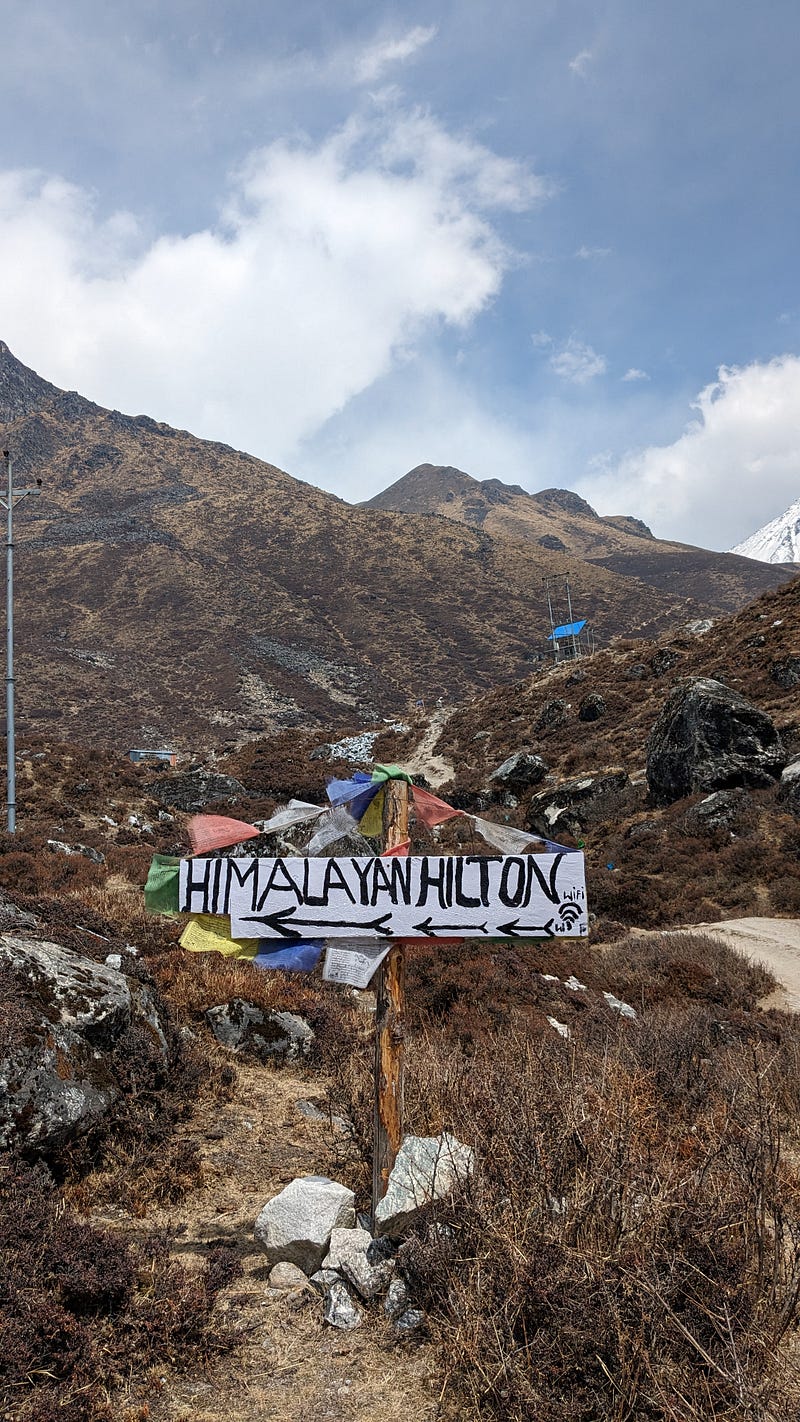
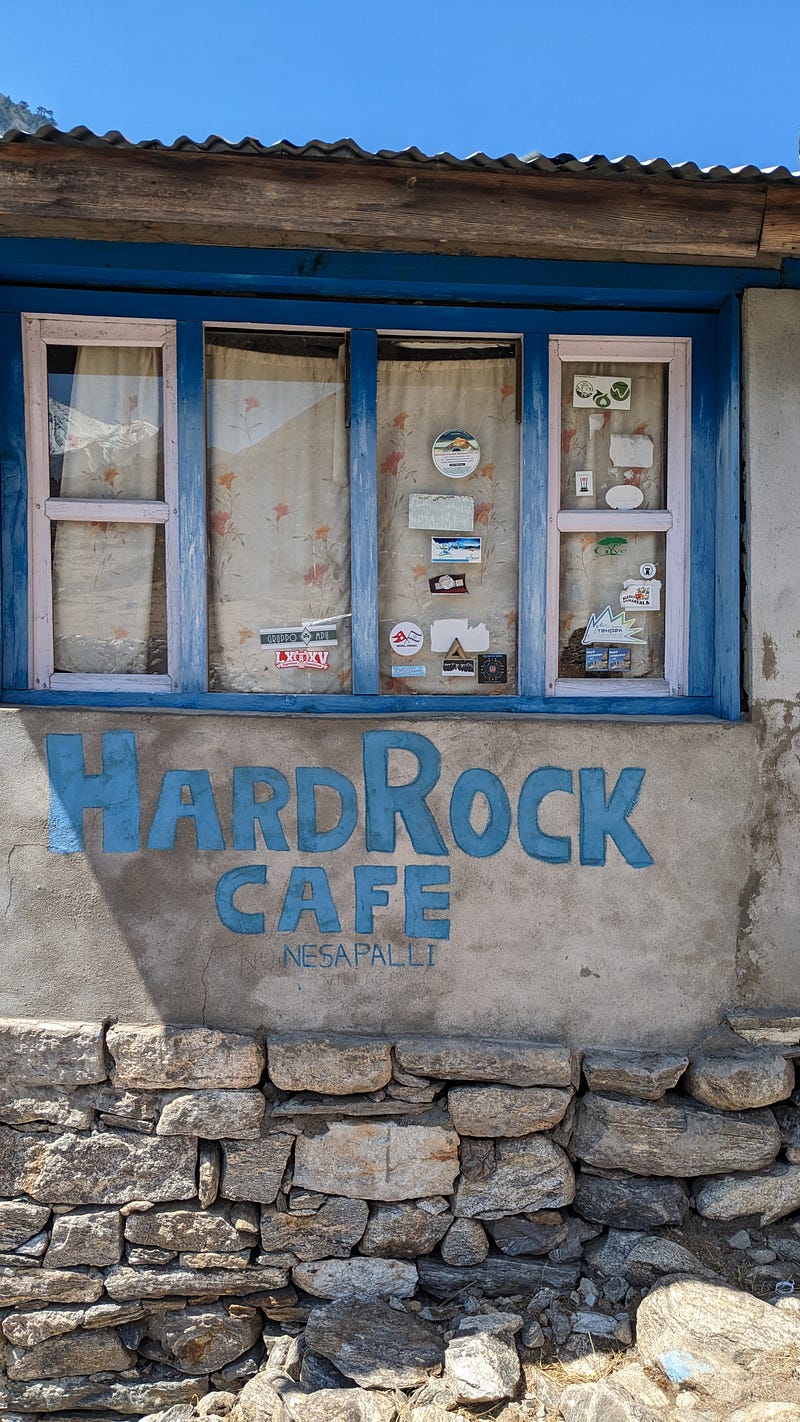
I love how Nepali guesthouse owners are happily inclined toward committing trademark infringement - because no lawyer for Hilton or Hard Rock Cafe is going to spend days hiking out to a remote village at 15,000 feet to serve them with a lawsuit that can’t be won.
Or this one, seen in the Langtang Valley:
Signs for hilariously named businesses
Back to Nepal, because I love the country so much and simply cannot resist. You see, in Nepal, you get the idea that originality is not something that registers in the minds of those with entrepreneurial aspirations. It’s a copy culture, where if someone comes up with a great name, people will shamelessly copy it. I remember trying to meet a friend to play some pool once in Pokhara, at a place called the Maya Pub. I arrived, and stumped myself for ten minutes trying to find where the pool tables could be hidden away, until I finally asked a staff member where I needed to look. She explained nonchalantly that the other Maya Pub, just two doors down was where the pool tables were. These are completely separate businesses, mind you. Sure enough, I took a few steps and found my friend shooting pool at another place, conveniently also called “Maya Pub”.
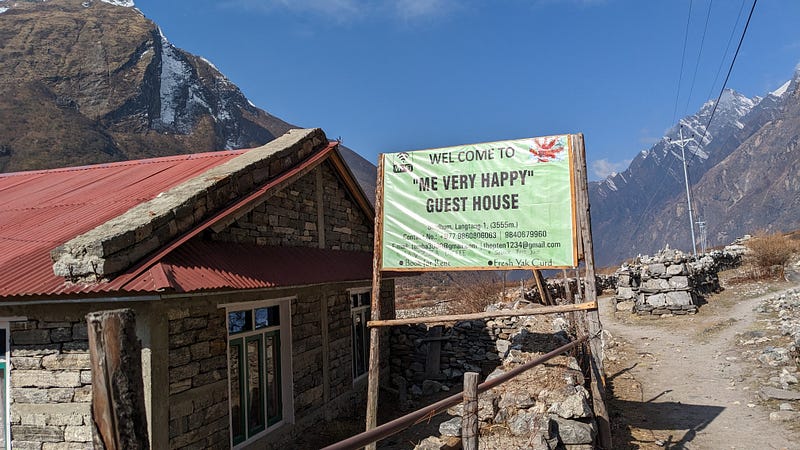
In the trekking circuits, you always find the same formulaic names for guesthouses — “Everest View Lodge,” “New Tibet Guesthouse,” “Sherpa Cottage,” “Mountain Lake Hotel,” etc, etc. But my absolute favorite was the one pictured below in the Langtang valley. I wish I could have been present for the conversation that took place when “‘Me Very Happy’ Guesthouse” was christened.
A similar story — a guesthouse that a friend of mine had stayed at for years whenever he visited Pokhara had one year abruptly changed its name. When he asked the owner why, the owner explained that he owed so much in back taxes, that he simply changed the name to something different, and hung up a new sign to avoid having to pay taxes on it.
Hilarious names, cont’d
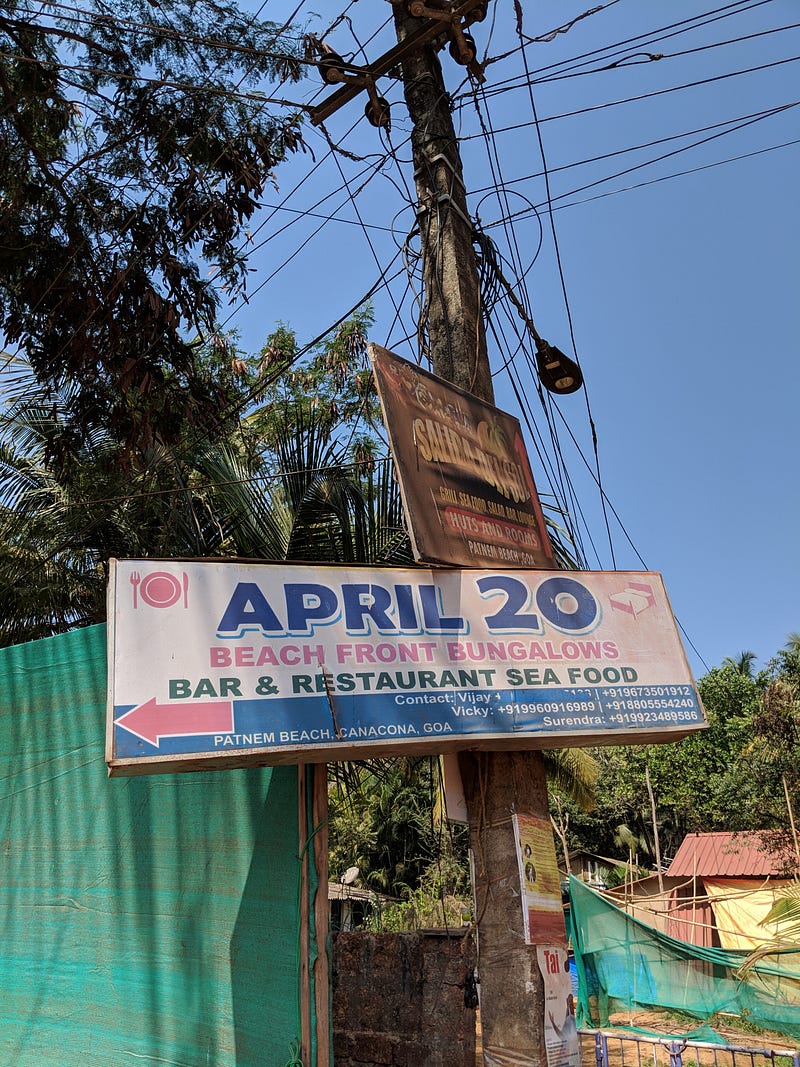
Returning to India, in Goa, I had to applaud “April 20” as probably the least subtle attempt for a hotel to proclaim its niche.
Stickers as Signs
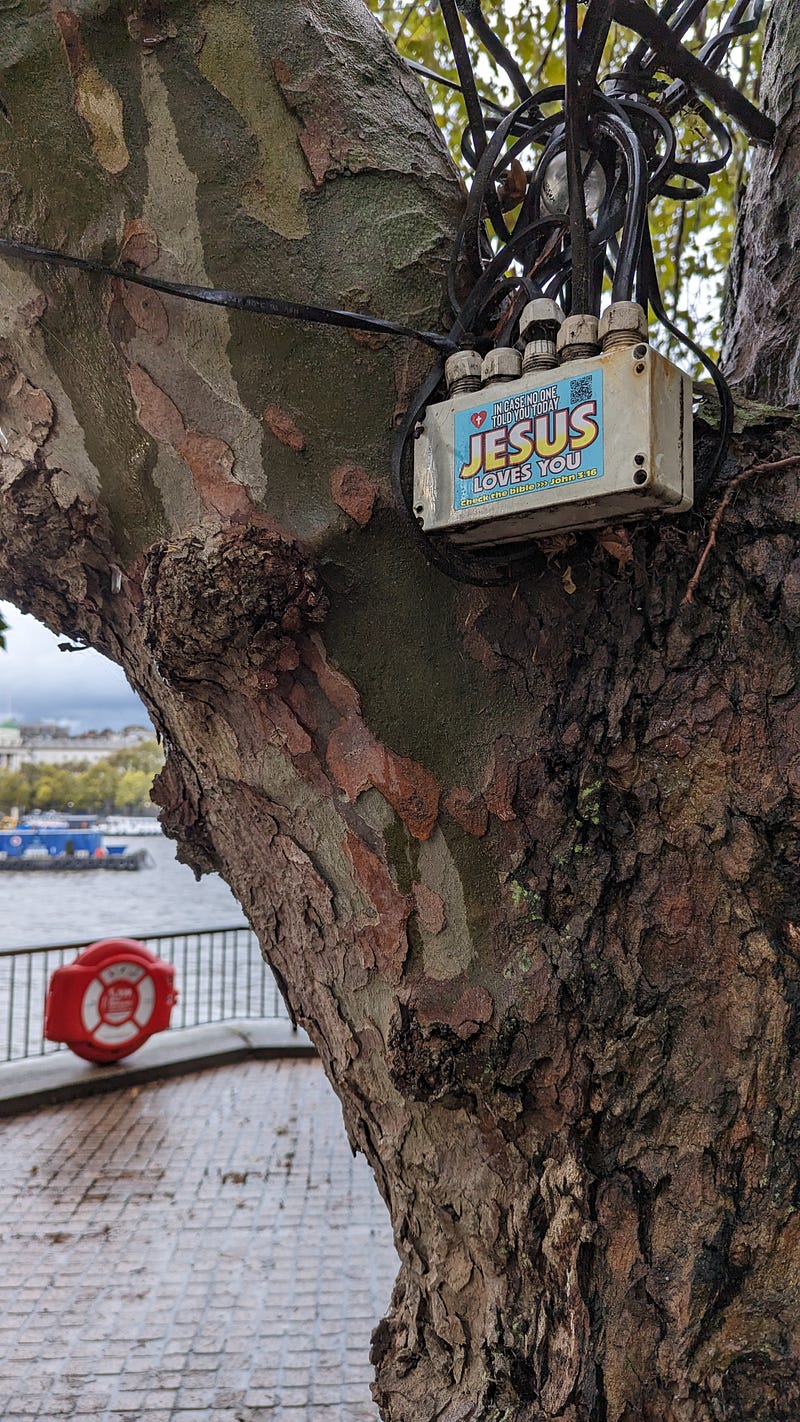
Sometimes you come across something so witty and cleverly placed, that you just have to stop and be thankful that you still have your sense of humor. The following image was captured in London, unsurprisingly to me, as I find the Brits to be the funniest people on the planet.
Signs that create a mood
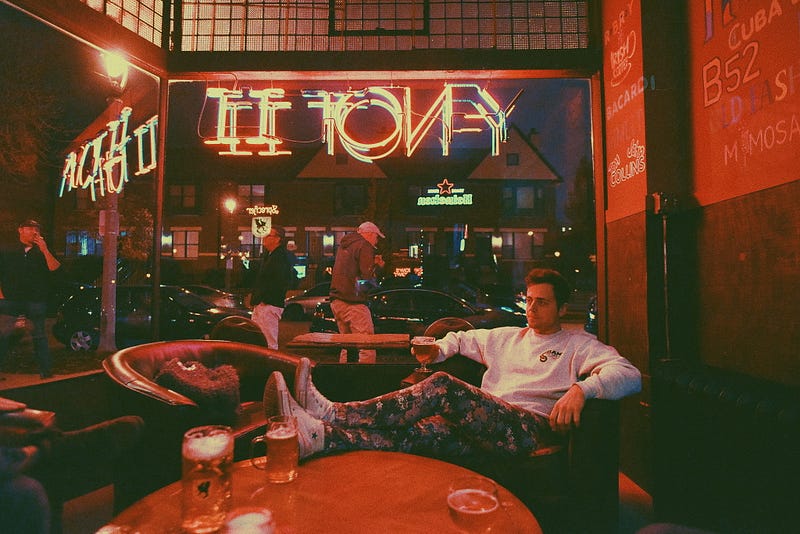
There’s nothing like neon. Especially when paired with craft beer, Chuck Taylor’s and floral pants.
Signs from Iowa
Wrapping up now, in my own background, I’ll share a little taste for Iowa, and our sense of creativity.
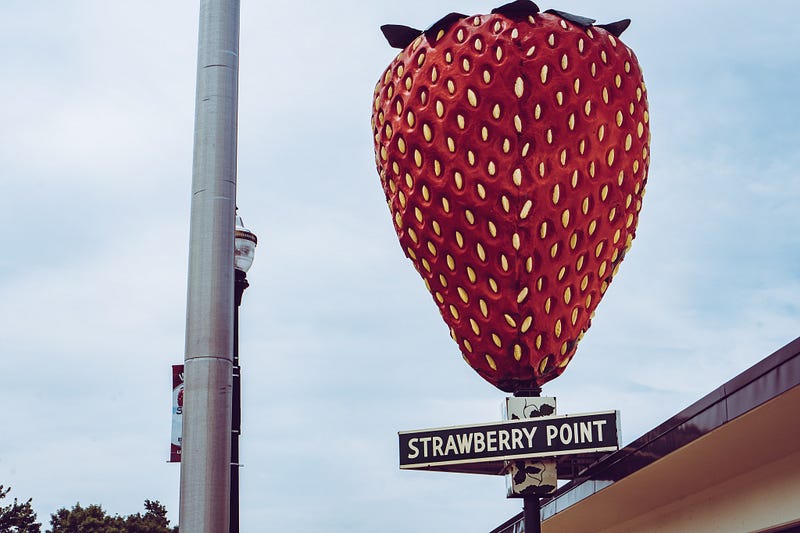
I’m not exactly sure of the backstory of this one, but we have a cute, small town in the Northeast of the state, famous for a gigantic strawberry hoisted up in the center of town. Not so much a sign as a sculpture, but it came up in my search. Visit Strawberry Point if you get the chance.
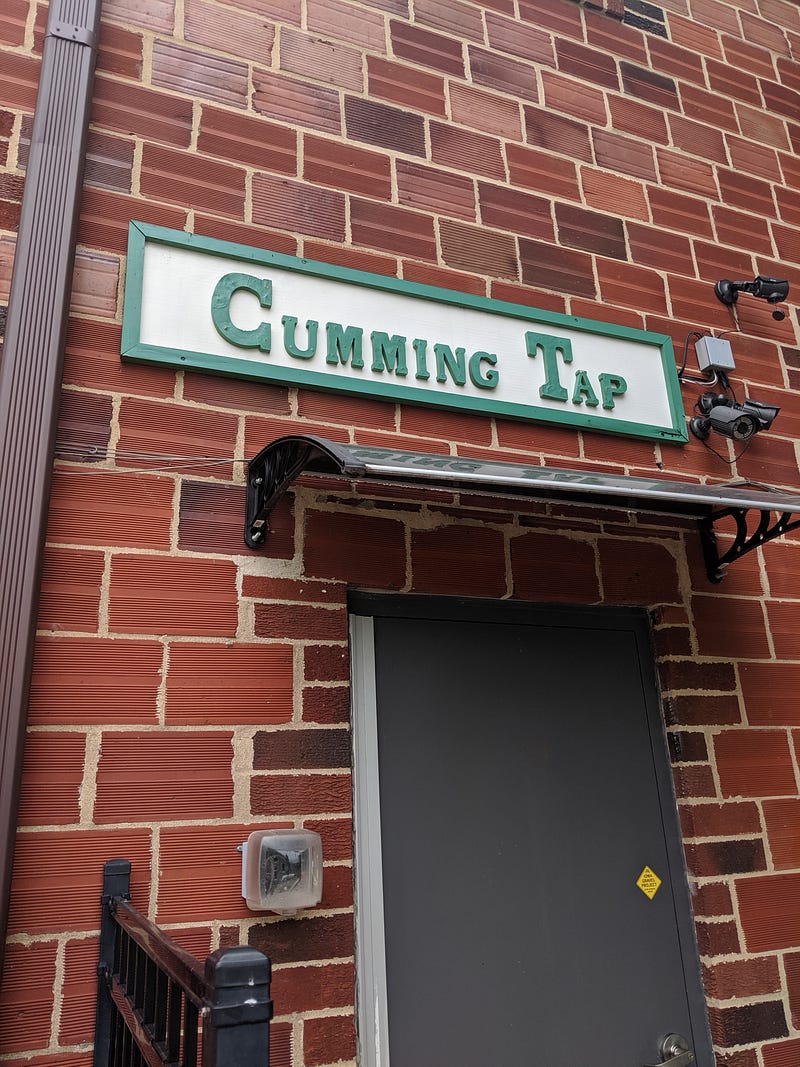
We have a small town called Cumming, and um, well, the owner of a certain establishment decided to name their dive bar with their tongue in cheek.
While a lot of travel is about maintaining a sharp eye and making a humble effort to understand the people and places you encounter, I think it is also incredibly important to have fun and to see how well you can glimpse the little ironies and jokes in the smallest of things. Because we shouldn't always take things (especially ourselves) too seriously. Thank you for joining me on this lighthearted foray into one of my favorite parts of traveling.
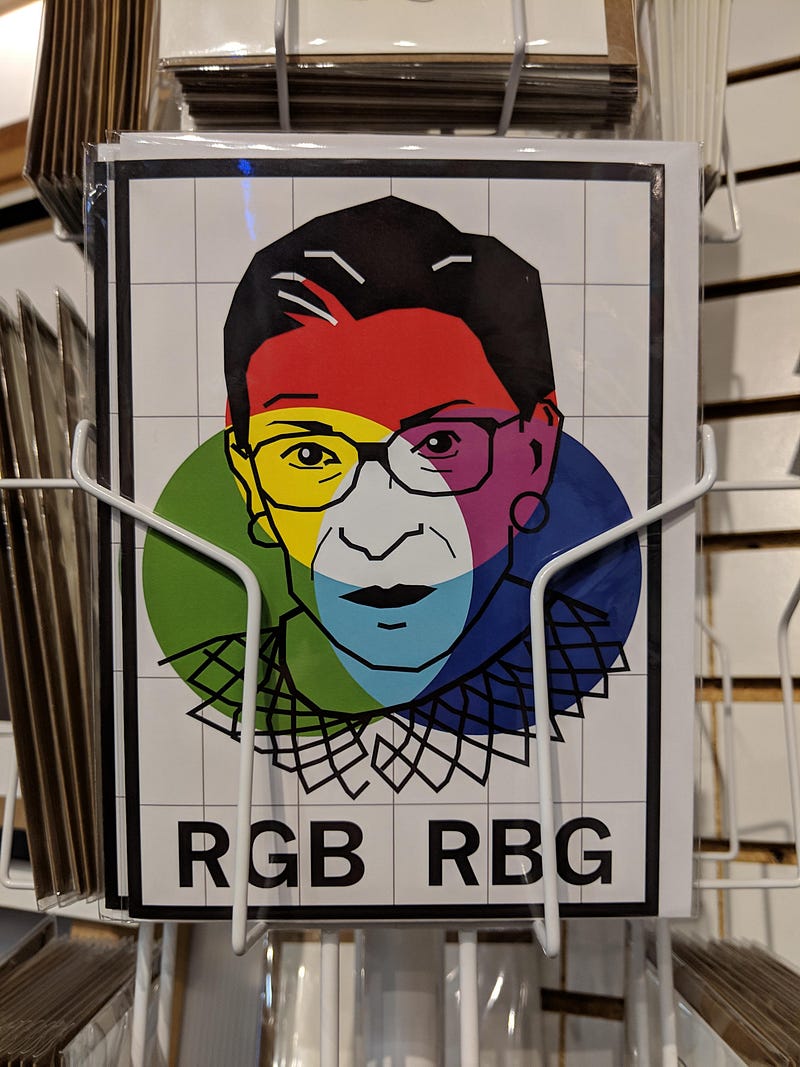
Lastly, I will leave you with this creation by RayGun, a famous graphic design and branding/clothing shop in Des Moines.
Writing in response to Anne Bonfert’s January Prompt in Globetrotters:
I wish I had written this one by Brad Yonaka, as I love exploring the concept of how a place changes as you go through the course of your life.
I mentioned this piece by Tara Torres earlier, about one of the riskiest trips I’ve ever read about:
Scott-Ryan Abt centers his response around one of life’s greatest pleasures: the road trip. His photographs take us to three continents, and he ties everything together with a message that all travelers need to be reminded of at some point or another in their journeys.


