Healing
What to Do with Pain?
When the walls feel like they’re closing in
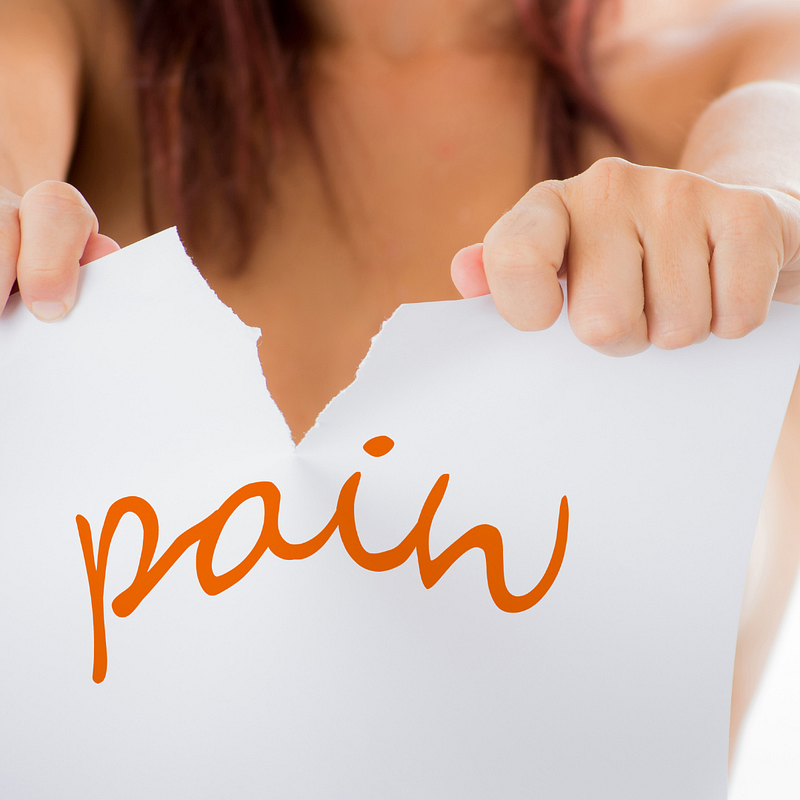
I was in third grade when a heavy metal door slammed on my middle finger.
The flood of pain was immediate and intense. It felt like an eternity before someone helped lift the weight of the door that had pinned my finger.
And yet, it was likely mere seconds before that door was hurled open. The pain caused generous tears to leak from my eyes. I couldn’t see more than a Monet-like assembly of my peers through the tears, but I knew they were there, watching with a mixture of sympathy and curious fascination.
A new pain emerged at that point: the pain of embarrassment. The pain of wanting to crawl into a hole but remaining the central focus of the class, a giant crybaby on full display.
One snapshot in time of my life in an elementary school classroom where physical and mental pain emerged.
What to Do with Pain?

Our lives are filled with infinite snapshots of pain. Ask most people to mention a tough time in their lives and words associated with pain emerge: ache, hurt, searing, and blinding.
But what do we do with our pain? When something that causes us either physical or emotional pain arrives, it seems there are two common paths: to push it down or dish it out.
There’s a third path that we can take that brings great freedom from pain: relax.
When we hide from the pain of things, they don’t go away. If I keep putting a Band-aid over a wound, I’m protecting the raw skin, but eventually, I need to give that cut air to prevent bacteria from growing.
The same is true for our emotional pain: we can numb our inner disturbance with everything from alcohol to gambling, but it won’t address or remove the pain.
We are kicking the proverbial can down the street of our lives when we shove our pain down or hide it behind denial and distraction.
It sounds counter-intuitive to relax into pain, to welcome the unwelcome. But the only way out is through.
There’s a reason it is recommended (if we can) to relax before impact in a car crash or fall:
“Provided you are wearing a seatbelt, the safest thing to do is actually relax (difficult or impossible as that may seem). By relaxing your muscles, you are allowing the different parts of your body to move independently in reaction to the collision…which means that the force of the impact will be distributed across more of your body, rather than your muscles straining to hold your body as some immovable object to counter an unstoppable force.”-Science ABC
Watching our pain — whether emotional or physical — while painful in itself, is the path to releasing it.
“In truth, pain is the price of freedom. And the moment you are willing to pay that price, you will no longer be afraid. The moment you are not afraid of the pain, you’ll be able to face all of life’s situations without pain.”-Michael Singer
You may be reading this after a small pain like a paper cut, or a large one that feels insurmountable like the death of a loved one. Whether the pain is physical or emotional, low hanging fruit or higher than you’ve ever known, the way out is through.
Meditation helps. The muscle memory of observing your mind and heart without reaction or judgement from that greater Seat of Consciousness (Your Highest Self) kicks in over time, making it easier to relax into the pain we encounter.
Pain is real — regardless of its form. Like all energy forms, it cannot be created or destroyed. But it can be released when we are compassionate to ourselves and are willing to allow its temporary presence, knowing, like all things, this too shall pass.
Music offers a powerful tool for healing. It releases our grip on pain as Melissa Gray poignantly demonstrates in her tribute to her brother:


