avatarArbab Z.

Free AI web copilot to create summaries, insights and extended knowledge, download it at here

2274

Abstract

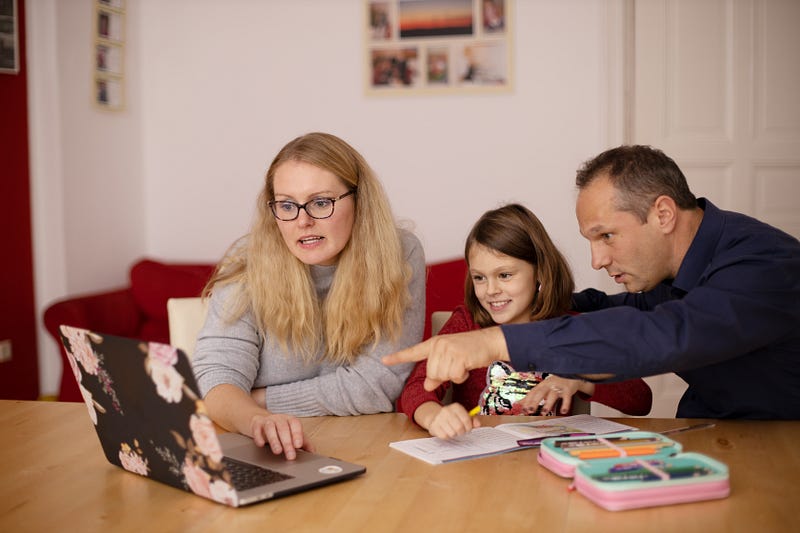
m&utm_medium=referral">sofatutor</a> on <a href="https://unsplash.com?utm_source=medium&amp;utm_medium=referral">Unsplash</a></figcaption></figure><p id="714e">They talk openly and usually let their children decide for themselves instead of instructing them. Their rules are either not fixed or rarely enforced. They spend money on their children to keep them happy. These parents are friends with their children instead of the role of parents. They prefer to avoid conflicts and often accept their children’s requests at the first sign of trouble. These parents mostly allow their children to do what they want and give them limited guidance. This behavior sometimes spoils children.</p><h2 id="4344">2. Prospective parents:</h2><figure id="007a"><img src="https://cdn-images-1.readmedium.com/v2/resize:fit:800/0*I8n-9SfLAjfDEJHh"><figcaption>Prospective parents. Parents spend time with children to understand each other. Photo by <a href="https://unsplash.com/@jonathanborba?utm_source=medium&amp;utm_medium=referral">Jonathan Borba</a> on <a href="https://unsplash.com?utm_source=medium&amp;utm_medium=referral">Unsplash</a></figcaption></figure><p id="e22a">Set clear rules and expectations for your children. They listen to and reflect on their children’s thoughts, feelings, and opinions. The focus of these parents’ lives is on their children. They guide their children through conversation. Children whose parents are diligent are disciplined. Sometimes too much attention can cause a child to become overly dependent on their parents, which can affect their self-esteem.</p><h2 id="94b1">3. Careless parents:</h2><figure id="83a5"><img src="https://cdn-images-1.readmedium.com/v2/resize:fit:800/0*gTG91SyE8AmUPaMp"><figcaption>Children miss the care of parents. Photo by <a href="https://unsplash.com/@lunarts?utm_source=medium&amp;utm_medium=referral">Volodymyr Hryshchenko</a> on <a href="https://unsplash.com?utm_source=medium&amp;utm_medium=referral">Unsplash</a></figcaption></figure><p id="0c1b">The careless parents did not focus or had little focus on nurturing their children. They often struggle with their self-esteem issues and find it difficult to form close relationships. Careless parents have limited engagement with their children. Their child

Options

ren have a strong sense of deprivation, which makes them involved in wrongdoing.</p><h2 id="86a9">4. Dictatorial Parents:</h2><figure id="f6f0"><img src="https://cdn-images-1.readmedium.com/v2/resize:fit:800/0*7M09vyEXpii_Thuv"><figcaption>Parent is teaching and asking from the children. Photo by <a href="https://unsplash.com/@neonbrand?utm_source=medium&amp;utm_medium=referral">Kenny Eliason</a> on <a href="https://unsplash.com?utm_source=medium&amp;utm_medium=referral">Unsplash</a></figcaption></figure><p id="ffb4">They have high demands on their children. Strict rules are enforced with little regard for their child’s emotional and social needs. The conversation is mostly one-sided. This strict parental approach is based on strict discipline, which is often justified as “strict love”. To stay in control, authoritarian parents often talk to their children without their consent.</p><blockquote id="9469"><p>So what kind of parents do you want to be?</p></blockquote><p id="a65c">You can give your suggestions through your stories and tag me.</p><p id="4b78">Here is another similar read by <a href="undefined">Arbab Z.</a></p><div id="cd6e" class="link-block"> <a href="https://readmedium.com/the-most-important-thing-i-learned-from-my-father-daf497f10fe0"> <div> <div> <h2>Parental Actions Affect the Growth of Children</h2> <div><h3>Parents are unconsciously affecting the development of children.</h3></div> <div><p>medium.com</p></div> </div> <div> <div style="background-image: url(https://miro.readmedium.com/v2/resize:fit:320/0*zJyNSEhjdKkhzOT9)"></div> </div> </div> </a> </div><p id="f2d9"><i>Note: You can read more by signing up to medium membership. By doing this, you will get unlimited reads of stories written by different writers. It only costs 5$ per month. You can use referral by <a href="https://medium.com/@arbabzahoor6/membership"><b>clicking here</b></a><b>. </b>There is no extra<b>.</b></i></p><p id="9ef6">Buy me a <a href="https://ko-fi.com/arbabzahoor6"><b>Ko-Fi by clicking here</b></a><b> as an appreciation.</b></p><p id="c68f">Thank You</p></article></body>

What Kind of Parents We Are and What We Want to Be?

4 Types of Parents That Affect Children’s Lives.
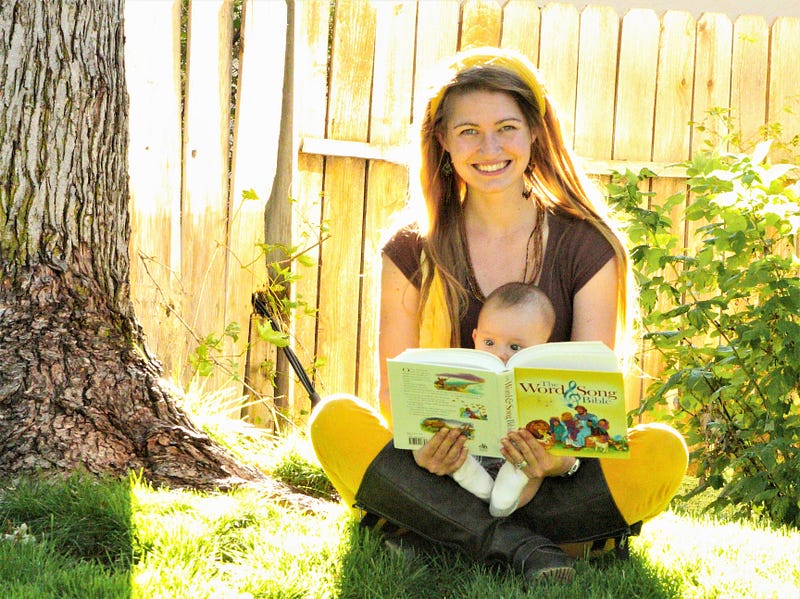
Photo by Elisabeth Wales on Unsplash

Parenting is one of the difficult tasks in life. Instead of knowing all the suffering, parents sacrifice their life for the children. Some parents succeed in nourishing their children under the best, while others experiment with different parenting attitudes. It sometimes leads to hard results and affects children’s lives. Being a parent is not an easy thing to do.

Modern technology has made our lives much easier. There is a rapid change in our surroundings, the effect of which we are also seeing in human behavior. The effects of Internet exposure, especially for the younger generation, can be seen. So in this modern environment, what kind of parents should we be?

According to psychologists, there are 4 types of parents. Every child has his temperament, so we should adopt a different approach for training each child because children are a full-time challenge. Only parents know the struggle to find out the best strategy for their children. Some parents are strict, while others are mild. Some are alert, and some are careless.

“What kind of parents do we want to be?” Here are some of the types of parenting that can be helpful in training.

The research is based on the work of Diana Boomerang, a psychologist, and Stanford researchers Eleanor Maccoby and John Martin.

4 types of parents:

  1. Liberal
  2. Diligent
  3. Carefree
  4. Authoritarian

1. Liberal parents:

Liberal parents are educating their children freely. Photo by sofatutor on Unsplash

They talk openly and usually let their children decide for themselves instead of instructing them. Their rules are either not fixed or rarely enforced. They spend money on their children to keep them happy. These parents are friends with their children instead of the role of parents. They prefer to avoid conflicts and often accept their children’s requests at the first sign of trouble. These parents mostly allow their children to do what they want and give them limited guidance. This behavior sometimes spoils children.

2. Prospective parents:
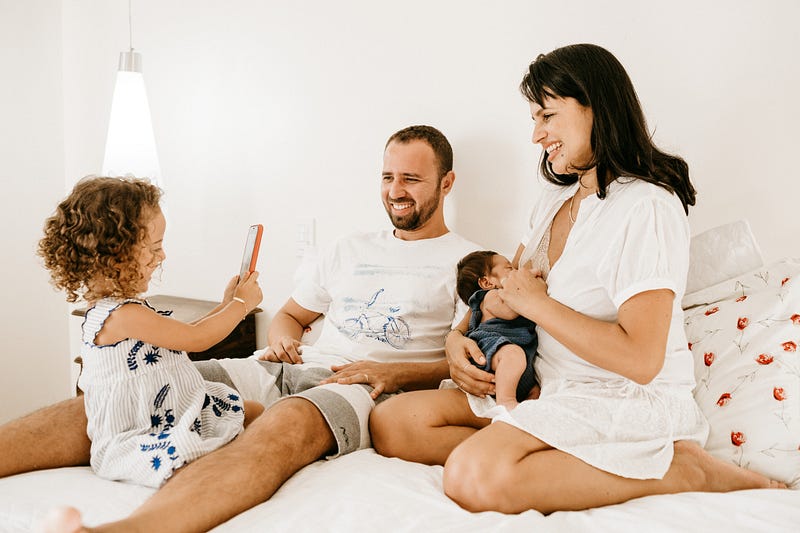
Prospective parents. Parents spend time with children to understand each other. Photo by Jonathan Borba on Unsplash

Set clear rules and expectations for your children. They listen to and reflect on their children’s thoughts, feelings, and opinions. The focus of these parents’ lives is on their children. They guide their children through conversation. Children whose parents are diligent are disciplined. Sometimes too much attention can cause a child to become overly dependent on their parents, which can affect their self-esteem.

3. Careless parents:

Children miss the care of parents. Photo by Volodymyr Hryshchenko on Unsplash

The careless parents did not focus or had little focus on nurturing their children. They often struggle with their self-esteem issues and find it difficult to form close relationships. Careless parents have limited engagement with their children. Their children have a strong sense of deprivation, which makes them involved in wrongdoing.

4. Dictatorial Parents:

Parent is teaching and asking from the children. Photo by Kenny Eliason on Unsplash

They have high demands on their children. Strict rules are enforced with little regard for their child’s emotional and social needs. The conversation is mostly one-sided. This strict parental approach is based on strict discipline, which is often justified as “strict love”. To stay in control, authoritarian parents often talk to their children without their consent.

So what kind of parents do you want to be?

You can give your suggestions through your stories and tag me.

Here is another similar read by Arbab Z.

Note: You can read more by signing up to medium membership. By doing this, you will get unlimited reads of stories written by different writers. It only costs 5$ per month. You can use referral by clicking here. There is no extra.

Buy me a Ko-Fi by clicking here as an appreciation.

Thank You

Parenting
Parents
Life
Medpage
Children
Recommended from ReadMedium