
Creative writing 101
What Is Stream of Consciousness Writing?
Navigating past the misconceptions
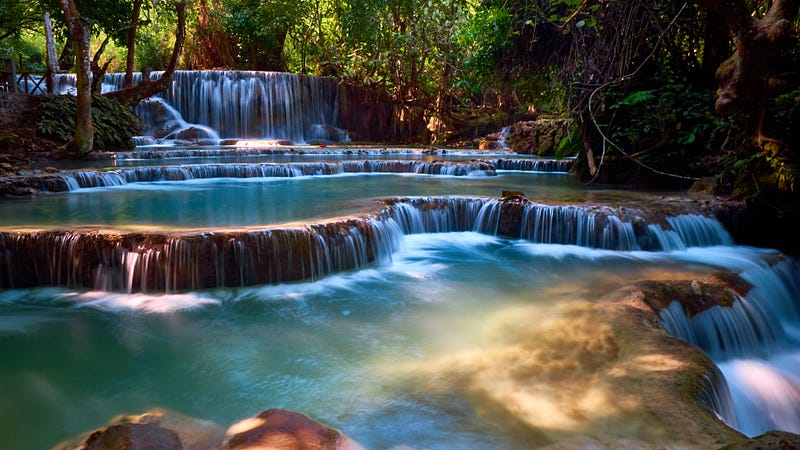
When you hear about people writing in a ‘stream of consciousness’ way, it may sound like something complex and technical. Perhaps it feels like a skill that would be hard to achieve.
However, a stream of consciousness is supposed to be about making writing more natural.
If you were to look the term up, you’d find that it describes a literary style, one where ideas in the writing flow from one to the next. It is meant to mimic thinking, reflecting the flow of ideas in the mind as we move from one everyday experience to the next.
The term originates from the great American psychologist and philosopher, William James:
Consciousness… does not appear to itself chopped up in bits. Such words as ‘chain’ or ‘train’ do not describe it fitly as it presents itself in the first instance. It is nothing jointed; it flows. A ‘river’ or a ‘stream’ are the metaphors by which it is most naturally described. — William James
In short, it is about making writing sound less technical and formal, and more like the way your mind works as you go through life!
Misconceptions
I think there is a lot of potential for confusion, mainly because of two very different ways that the term ‘stream of consciousness’ is used:
- To describe the style of novels like Orlando by Virginia Woolf and Ulysses by James Joyce.
- To describe personal journalling or writing practice which is flowing, honest, and unedited.
I think that these are actually very different.
While novels by the greats of 20th Century literature might give the impression of a stream of consciousness at times, it’s safe to say that those great authors did self-edit their work! They weren’t publishing unedited journals or reflections. And they also had skilled editorial teams that they worked with.
Stream of consciousness was a style that they were using to create an effect.
If you want to do more stream of consciousness writing, it might be best to decide which of these two interpretations best fit with what you are aiming for.
Do you want to create a stylistic effect (in your poetry, short stories or novels)? Or are you more interested in engaging in free, unedited journalling?
(It’s possible, of course, that your journals and diaries will be a rich source of ideas that you can mine when working on later stories!)
Good luck with your writing, and feel free to drop links to any of your creative works that follow this style.
Shoutout to Winston for this cool article on habits of thought:
And also Sandy Maximus for fascinating travel writing. There’s nothing like travelling for inspiring some stream of consciousness reflections!
And on that note, check out this Coffee Times challenge from Sharing Randomly:
p.s. you should get my posts direct to your inbox. Do that here! Also, if you’d like to experience Medium yourself, consider supporting me and thousands of other writers by signing up for a membership. It only costs $5 per month, it genuinely supports writers, and you have the chance to make serious money with your own writing as well! By signing up with this link, you’ll support me directly with a portion of your fee, it won’t cost you extra. If you do so, thank you so very much!


