
What is Racism?
We define the term and discuss ways eradicate it from society
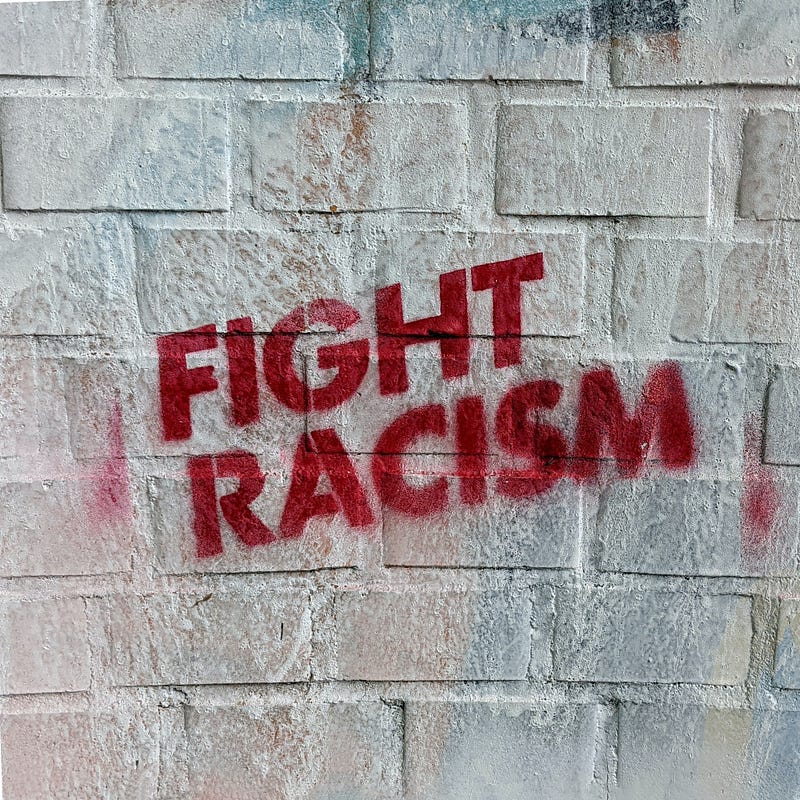
Racism is not merely a simplistic hatred. It is, more often, broad sympathy toward some and broader skepticism toward others. Black America ever lives under that skeptical eye.
— Ta-Nehisi Coates, essayist, novelist
What is Racism? Webster provides us with 2 definitions:
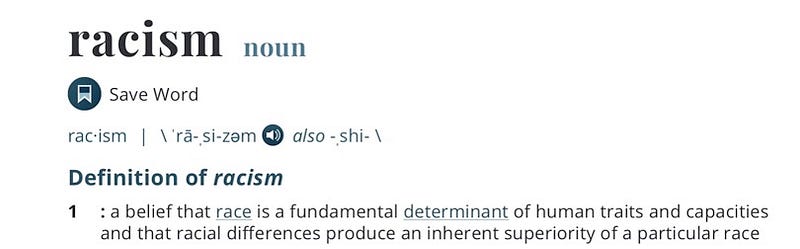

The 1st definition is pretty clear. This is what took place during the Holocaust when Hitler and the Nazis believed they were superior to those of a different race. It’s what took place during slavery when black people were treated like animals.
Sometime about a month or so ago, many black folks were sharing their personal stories on a Twitter thread about the earliest recollection they had of racism in their lives.
I found it interesting and sad at the same time. What was shown was the reality of racism being alive and well in this country, despite others claiming it isn’t.
However, other forms of racism exist.
The second definition given to us on racism from Webster represents where most of it lies today. There are forms of systemic racism that exist in the criminal justice system, healthcare, housing market, voting legislation, etc.
Where we have to be careful is when we use it in the wrong context. This minimizes the meaning of racism and gives us as black people less credibility when we do bring up real examples of racism.
We can’t go around calling every white person racist when we disagree with their takes on something. We shouldn’t call all Republicans racist when we know it’s not true.
FYI-there are plenty of racists on both sides of the political spectrum. White folks, you are to blame as well on this topic of calling others racist.
I see as many white people if not more, calling their fellow Caucasians racist, for voting for a different candidate.
I’m only saying this as a reminder that if some of the white folks who claim to be allies of the black community are truly in it for the right reasons, calling other people racist isn’t how this war will be won.
And make no mistake about it, it’s your responsibility to put an end to racism. Black people didn’t create it, so it shouldn’t be our burden to bear.
Speaking out when we see any form of racism taking place is productive. Listening and taking the time to try and understand people of color is a great way to be anti-racist.
We saw many black leaders in the 60’s gain too much power and make too much progress in the fight against racism. They were killed, jailed, and silenced by white people who didn’t like what they were saying.
This time around, it’s going to require the actions of us all to eradicate racism from society. That means keeping an open mind and believing that it is possible, perceptions of the past were wrong.
We won’t make any traction by burning books, trying to erase black history, and pretending that racism didn’t exist.
Let’s move forward together and figure out what to do collectively to end racism once and for all. By any means necessary!
Sources:


