
Author tips
What is Brainstorming Exactly?
About a technique that you could be using more.
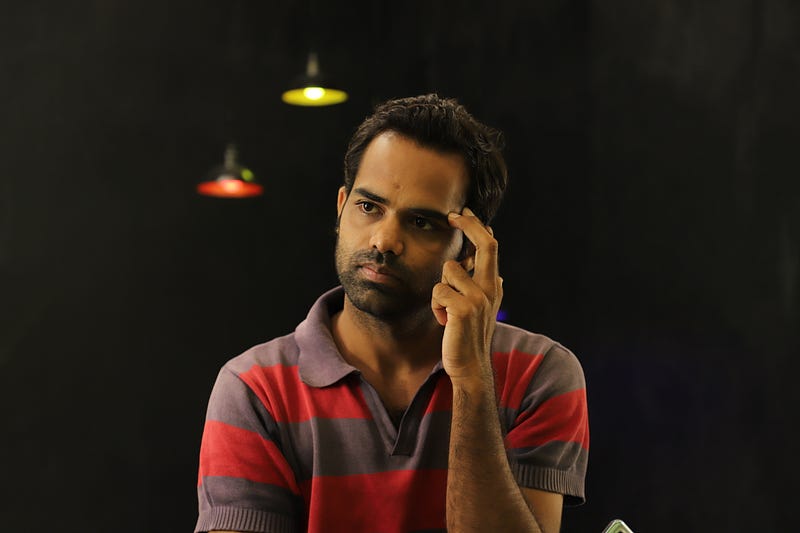
I’m really interested in “stream of consciousness” writing, a style which tries to make prose or poetry feel more like natural thoughts and speech, rather than following more traditional literary styles.
As I said in this article, that technique relates to the fact that our thoughts tend to flow like a stream rather than being ordered and logical.
This is the same reason that brainstorming can be a really useful tool for creators like you.
What is brainstorming?
In a brainstorming session, we take advantage of the mind’s natural tendency to think in non-linear ways, flowing from one association to the next, to come up with a set of unfiltered ideas.
It’s really important to relax and let the ideas flow. So grab yourself a comfortable seat!
Brainstorming can be done as a group, when working on a new project, for example. Or it might be part of an individual writer’s creative process.
Some ways that you can use brainstorming in your own creative work include the following:
- During initial planning, to think of as many ideas as possible for stories, articles or poems.
- To develop a specific idea or character in more depth. For example, you could brainstorm on a character’s backstory and childhood.
- To tackle writer’s block by trying to think of as many options as possible for what could come next, rather than trying to think of the perfect one.
- When editing, to add a bit of humor, randomness and creativity by thinking of extra details to add depth and richness to a setting. Spice it up, in other words!
As you can see from the examples above, successful brainstorming relies on an element of randomness. It’s really important to relax and accept all of the ideas that you come across — even really silly ones.
It’s about quantity of ideas.
After the brainstorming session, you can then pick through the various things you have thought of, consider which ones might work… and discard the rest.
As such, brainstorming is one of a set of useful creative tools. And while it is not the same as stream of consciousness writing, it’s easy to see a certain resemblance!). The similarity reflect the fact that both come down to the same basic facet of our brains and our minds: thinking, and its tendency to be chaotic and fluid rather than orderly.
Enjoy embracing the chaos in your own writing!
Shoutout to Winston for this cool article on habits of thought:
You can get my posts direct to your inbox. Do that here! Also, if you aren’t yet a Medium member, consider supporting me and thousands of other writers by signing up for a membership with this link. Doing so will support me directly with a portion of your fee, and it won’t cost you extra. Thank you so very much!


