
AUTHOR REFLECTIONS
What is a Pen Portrait?
A simple, everyday way to boost your writing skills.
The bulk of what I know about writing a novel was learned though experience and from supportive peers.
However, I did a few courses in creative writing some years ago. One of the things I was instructed was to practice writing pen portraits. In fact, this was pretty much lesson one.
So what exactly is a pen portrait?
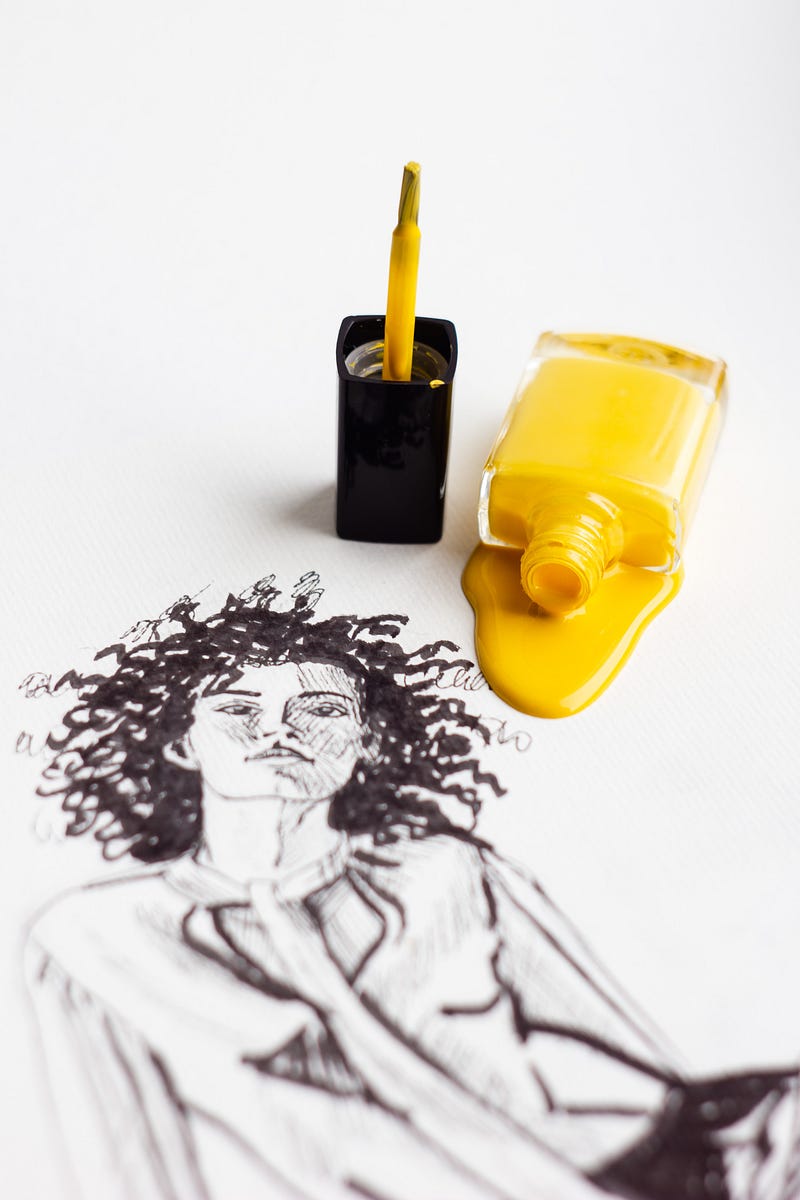
An analogy often works best — and here, the term is borrowed from the visual arts. A painter or graphic artist might draw little pen-and-paper sketches of a face, a scene, an object.
These won’t necessarily be used directly. They aren’t a first draft. But the practice of drawing them helps the idea to stick in the artist’s memory. It draws focus to the senses and feelings, in a way that can feed into later creative work.
It’s a very similar idea with pen portraits. As a writer, make a habit of jotting down a very brief written description of a character or setting. This could be a single paragraph, or even just a single sentence about something interesting. For example:
- The way a person moves.
- A curious sign on a wall, or an item on a menu.
- The soothing or jarring sound of a person’s voice.
- An unusual item of clothing.
- A scar on someone’s face.
Again, these things don’t need to appear directly in a scene or character that you write about later. But each one will be stored away in your mind — and in your notebooks — for later use.
The practice of writing pen portraits will help invented characters in your fiction become and richer and more interesting.

What’s more, focusing on details as you write these pen portraits will help you to develop habits of observation. You will begin to observe your surroundings more closely. Perhaps you notice some dirt on the wall that you hadn’t previously paid attention to, or the strange way that someone parts their hair.
Take the following scene from the novel Cal by Bernard Maclaverty. It’s not hard to imagine the author observing something similar at an earlier date, noting it down, and later using it when drafting the novel:
Cal sat slumped in an armchair, looking round him. The muted waves of unreal laughter from some show on the television rose and fell in the next room. There was a picture on the wall of a ragged child with one glistening tear-drop standing on his dirty cheek…
Again, you don’t have to put pen portrait scenes directly into your writing, but all of this is stored away in mind. And your memories — all the things your mind stores away over months and years — are the origin of your later creative thinking.
After all, where else would your ideas be coming from?
You can also leaf through old notebooks whenever you are struggling for inspiration. Or even turn them into cue cards to use as writing prompts in the future.
And so, the more you can sketch pen portraits a habit, the better. Try to pick up on what is unusual about a person or scene, and include your impressions and feelings, too. Fill your notebooks, writing more and more of these brief observations of the world around you.
It will make you a better writer.
p.s. you should get my posts direct to your inbox. Do that here! Also, if you’d like to experience Medium yourself, consider supporting me and thousands of other writers by signing up for a membership. It only costs $5 per month, it genuinely supports writers, and you have the chance to make serious money with your own writing as well! By signing up with this link, you’ll support me directly with a portion of your fee, it won’t cost you extra. If you do so, thank you so very much!