
What Is a Hidden Disability?

Today, I will be discussing the topic of hidden disabilities. For many people, this may be a brand new topic and for those people, I hope to be informative and helpful. Many disabilities can be difficult to locate in social situations due to the lack of physical signs.
Acknowledging Hidden Disabilities:
Many hidden disabilities like autism, mental health disorders, brain trauma, sensory processing disorder, epilepsy, hard of hearing etc are very difficult to tell at first glance. For example, people who are hard of hearing may need to adjust a setting on their earpiece to hear the shopkeeper. If there is no visible sign or instruction on what setting to change to, it can cause confusion and unease.
Many people with hidden disabilities won’t want to make a song and dance about their condition, just to make people aware that they may need additional support in certain situations. The most important thing is to treat everybody the way you want to be treated, as you never know what is going on inside somebody’s mind and body.

Please also keep in mind that many people don’t want to disclose their disabilities. Remember to respect people’s wishes and try not to take things personally if people do not disclose their disability to you. There are some ways of recognizing a hidden disability in public. The ever-growing Sunflower Lanyard is a perfect tool for people who have a hidden disability and may need support. Below is a link to the Sunflower website, this is not a marketing deal and I take zero money from this. It is purely to raise awareness of such a fantastic concept and company.
Showing Support:
To help somebody with their hidden disability, you need to let your empath side shine. Remember to be patient and try to understand the other person by putting yourself in their shoes. Promote an open relationship where you respect their privacy but provide a set of non-judgmental ears when they reach out to you. If they open up to you, respect their boundaries. It can be helpful to educate yourself on their condition so you can help the other person better. Ultimately, the major goal is to be compassionate and a good person. We all have it in us to help people who need support, and we are on this earth too short not to. If somebody reaches out, extend your hand back.
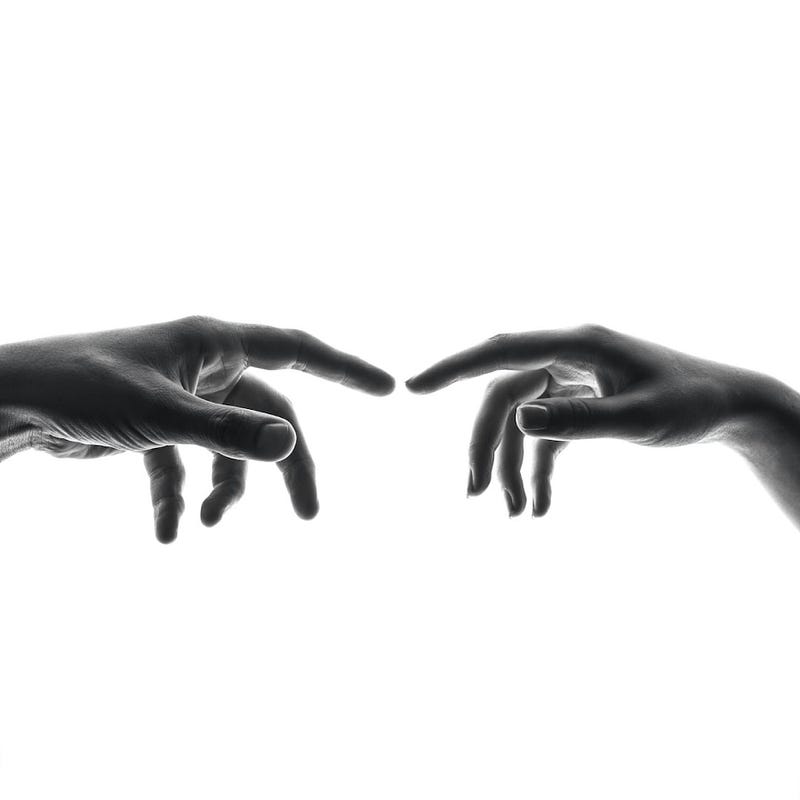
Hidden disabilities require special care and attention for the people who reach out to you. It may seem like there is an apparent solution to their problems, but they may find challenges more complex than themselves. By acknowledging and respecting the existence of hidden disabilities, we can create a more inclusive and supportive society. It is essential to treat everyone with kindness and consideration, as we never know the battles others may be fighting internally. Showing support to those with hidden disabilities involves being patient, understanding, and willing to listen without judgment. Educating ourselves about these conditions can help us provide better support to those who may need it.
Thank you for taking the time and listening to my story. Medium has been a fantastic place for me to open up, receive support, and most importantly to aid my recovery. I feel like I am reclaiming my life and that is thanks to all of you!!