
What Digital has Done to Our Brains
How we can enjoy the many benefits of digital technology while minimising its impact on our brains.
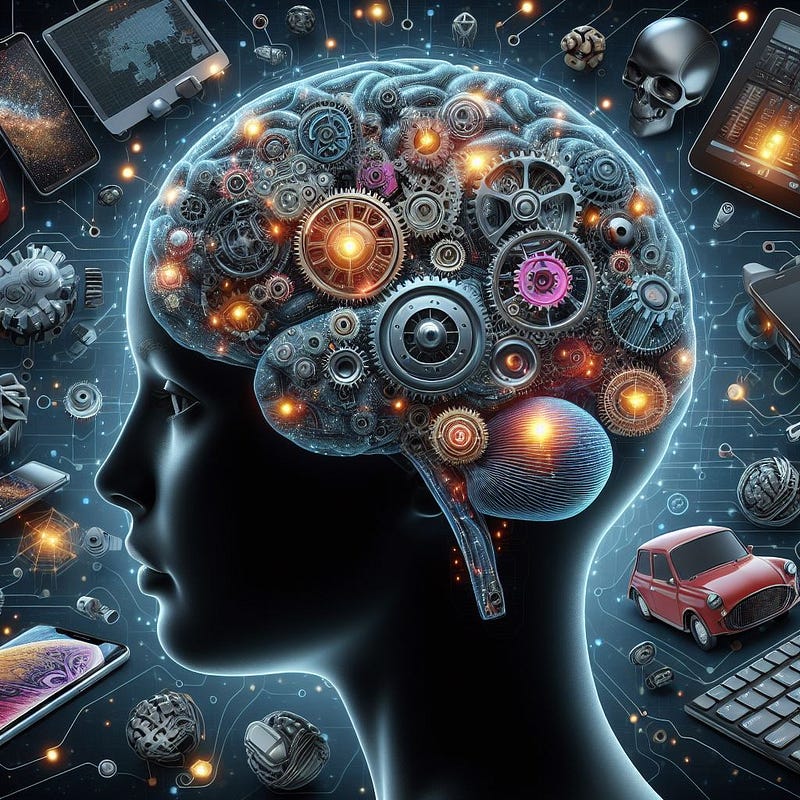
Digital technology has revolutionised everything! The way we live, work and communicate. It has also had a profound impact on our brains. In this write-up, I will assess the effects of digital technology on our brains and critically assess how it affects our cognitive abilities.
Digital technology has transformed the way we interact with the world around us. From smartphones to social media, we are constantly connected to a vast network of information and people. While this has many benefits, it has also had a significant impact on our brains. Some we know and some that we are not aware of.
According to paediatrician Michael Rich, digital media use plays an active role in the process of building neural connections while pruning away less-used ones in the developing brain. Much of what happens on screen provides “impoverished” stimulation of the developing brain compared to reality, he says. This can lead to a lack of creativity and imagination, as well as poor sleep patterns and memory retention. Furthermore, excessive use of digital devices can activate the brain’s reward system, leading to obsessive behaviour and a lack of self-control.
Despite these negative effects, digital technology has also had many positive impacts on our brains. For example, it has been shown to enhance learning and build community. It has also provided us with new ways to express ourselves and connect with others. However, it is important to use digital technology in moderation and to be aware of its potential negative effects. By doing so, we can enjoy the many benefits of digital technology while minimising its impact on our brains.
There are several ways to minimise the negative effects of digital technology on our brains. Here are some tips:
- Limit screen time: It is important to limit the amount of time we spend on digital devices. The American Academy of Paediatrics recommends that children between the ages of 2 and 5 should have no more than one hour of screen time per day, while children aged 6 and older should have consistent limits on the amount of time spent using media. Adults should also be mindful of their screen time and take regular breaks from digital devices.
- Practice mindfulness: Mindfulness is the practice of being present in the moment and paying attention to your thoughts and feelings. It can help reduce stress and anxiety caused by excessive use of digital devices. Try to take a few minutes each day to practice mindfulness, such as deep breathing or meditation.
- Engage in physical activity: Physical activity has been shown to have many benefits for the brain, including improving memory and cognitive function. Try to engage in regular physical activity, such as walking, running, or yoga, to help counteract the negative effects of digital technology.
- Get enough sleep: Sleep is essential for brain health and cognitive function. Excessive use of digital devices can interfere with sleep patterns and lead to poor sleep quality. It is important to establish a regular sleep routine and avoid using digital devices before bedtime.
- Take regular breaks: Taking regular breaks from digital devices can help reduce eye strain, headaches, and other negative effects of digital technology. Try to take a break every 20–30 minutes and focus on something else, such as looking out the window or taking a walk. Having a scheduled timeframe to use your phone can help too, especially for unproductive activities like social media. I personally do 30mins twice a day while commuting. This helps me know when to log off.
TL;DR
Digital technology has had a profound impact on our brains. While it has many benefits, it can also have negative effects such as poor sleep patterns, memory retention, and obsessive behaviour. It is important to use digital technology in moderation and to be aware of its potential negative effects. By doing so, we can enjoy the many benefits of digital technology while minimising its impact on our brains.


