
What Being in a Detox Facility Is Like
“I don’t get it; I just hung my towel on the door…”
So, you’ve finally given in and agreed to stop resisting. You decided to listen to the unrequested advice, the pleading and the imploring. The white flag has been raised, and the day has come to report for duty.
Your mission should you choose not to fight it?
Five days under lockdown in the detoxification ward of a psychiatric care facility. As you pull anxiously into the parking lot, you’re not sure what to expect.
Maybe you try to sneak the last few sips out of that road soda you brought along for the ride. Just one last taste to calm the nerves. Maybe you nervously inhale two last cigarettes back to back.
Your close friend or romantic love interest signs you in and gives you one last hug goodbye.
“You can make it through this,” they say. “You’re going to be just fine,” they say. “I can’t wait to see you on the other side.”
But you can see the pained look on their face. They can’t hide what you can see in their eyes. You know that they’re not really sure if you’ll make it, and they know you’re about to be in pain.
Then the doors close, and you’re alone with the nurse. Here we go.
Intake
First things first. You fill out all the medical and insurance paperwork or, if you’re in a fancy establishment, they fill it out for you.
Then they ask many questions about your consumption. What have you had? When was your last drink? How much do you usually have, per day, per week, per month? Any drugs? How much? How long ago?
Don’t lie. Lying will only hurt you, and they’re going to test your blood and urine anyway so you wouldn’t be fooling anyone.
Next, they take your vitals. Pulse, blood pressure, temperature. After that, it’s time to donate some urine and some blood for the tox screen.
Then they usually bring in someone slightly mean to look through your personal belongings. Most of them are taken away during intake.
“Didn’t you read the website?” they ask.
No open toiletries. No belts. No shoe laces. Nothing sharp. No lighters. No cell phones. They may search in some odd places, depending on what patients have tried before. Everything deemed a risk will be taken away and held.
You will eventually learn that their processes and protocols have been shaped in response to the behavior of patients who have come before you.
Intake can be the worst part of the process, as it can take several hours to get you all set up and checked in. By the time you’re done, whatever was left in your system is usually almost gone, and the withdrawal is starting to kick in. Depending on what you’ve been addicted to and how heavy a user you were, you can start experiencing some severe symptoms.
My first tour of duty for alcohol was terrible because in those days even a handle might not have held me over for a full day. I felt like I was going to pass out or fall down. I was sweating even though it was chilly. My body was starting to shake.
Time to Find your Room
You’re brought to your floor. The orderly needs to use different key cards to open the outer and inner doors. Your anxiety starts to rise as you realize the word “lockdown” wasn’t a joke.
You walk down long white halls. You notice cameras on the ceilings. Different patients are moving about. Some are in a complete daze, and others are extremely agitated.
You find your room, and they point out your bed. Your roommate’s not there; he’s in a meeting. You drop your paper bag full of clothes and approved objects. The orderly takes you over to the nurse station.
Time for vitals again. Your blood pressure and temperature seem to be rising. The nurse shakes her head. They give you your first dose of benzodiazepine and an anticonvulsant.
You decide to have a look around. You find two meetings rooms — apparently there’s an AA meeting going on right now. There’s a TV room. You see some doctors’ offices, and other than that it’s all patient rooms. Two patients per room with a shared bathroom.
You inspect the bathroom. That’s odd. No knobs. Only buttons. Little hotel soaps in the shower. No hooks. In fact, there’s nothing sharp in your room at all. You have a window, but the outside is covered by bars.
You’re starting to feel a little woozy, but the anxiety has gone away. Your pulse feels normal again. This feels nice you think, closing the door to lay down.
Room Checks
Suddenly, there’s a knock on your door. “Checks,” an orderly says, as he peeks inside and then says that you need to leave the door open at all times. You apologize and say you didn’t know. You close your eyes again.
Suddenly, there’s another knock; it seems like it’s only been a minute. “Checks,” he says again. Before he rushes off, you ask how often they do their checks. Every fifteen minutes — even in the middle of the night.
Ugh you think. This is going to suck.
Time for dinner. You try to stand up, but your legs don’t seem to be working. You fall back down onto your bed. Whoa. That was weird you think, steadying yourself on your end table.
You file into a line with all the other patients. It’s a motley crew — men and women of different ages and different addictions. You can tell who the alcoholics are from their ruddy hue. One patient has track marks, a couple are barely able to walk, some are like zombies and a few can’t stand still.
Since it’s a decent place, there’s a little cafeteria with some options, which is nice and atypical. You’re not really hungry. You had gotten used to only eating one meal a day, and the benzo has taken your appetite away. As you pick at your mashed potatoes, you survey the crew.
After dinner, you get to take a cigarette break, and you meet the other smokers as the nurse take you outside. She’s nice so she lets you have two. You learn this is the only time you are allowed outside. Three times a day. At least you are allowed outside, however, you couldn’t go outside at that place last year.
Back to your room and you meet your roommate. You talk for a while and hear he’s in for alcohol and cocaine, an eight ball a day. He’s leaving tomorrow for transitional living though, and you’ll have the room all to yourself.
He points to the camera on the wall and says don’t forget about that. They’re always watching what we do in here.
You can feel your anxiety rising. You’re starting to feel flushed. Soon it’s time for vitals, and your numbers are bad again. More benzos and anticonvulsants and off to sleep you go. Or try to. The first night is tough.
Between your roommate’s snoring and the orderly barging in with a flash light every fifteen minutes, consistent sleep is tough. And then the nurses wake you up suddenly at 3:30 to check your blood pressure.
You Can’t Do That
You’re groggy the next morning and anxious again. More meds, then breakfast, then another smoke break. You sit in on the meetings today. The first one’s meditation followed by one on trigger identification. Then there’s lunch and another cigarette break. They’re taking your vitals basically every three hours.
You decided to take a shower since you can smell the vodka leaking out of your system. You hang your towel on the door to the bathroom because there aren’t any hooks or shower racks. While you’re showering an orderly comes in.
“Checks!”
“I’m in the shower!” you say.
“Show me a hand. I need to see a hand.”
So, you pull back the curtain and flash him a hand. Jesus, these guys are persistent.
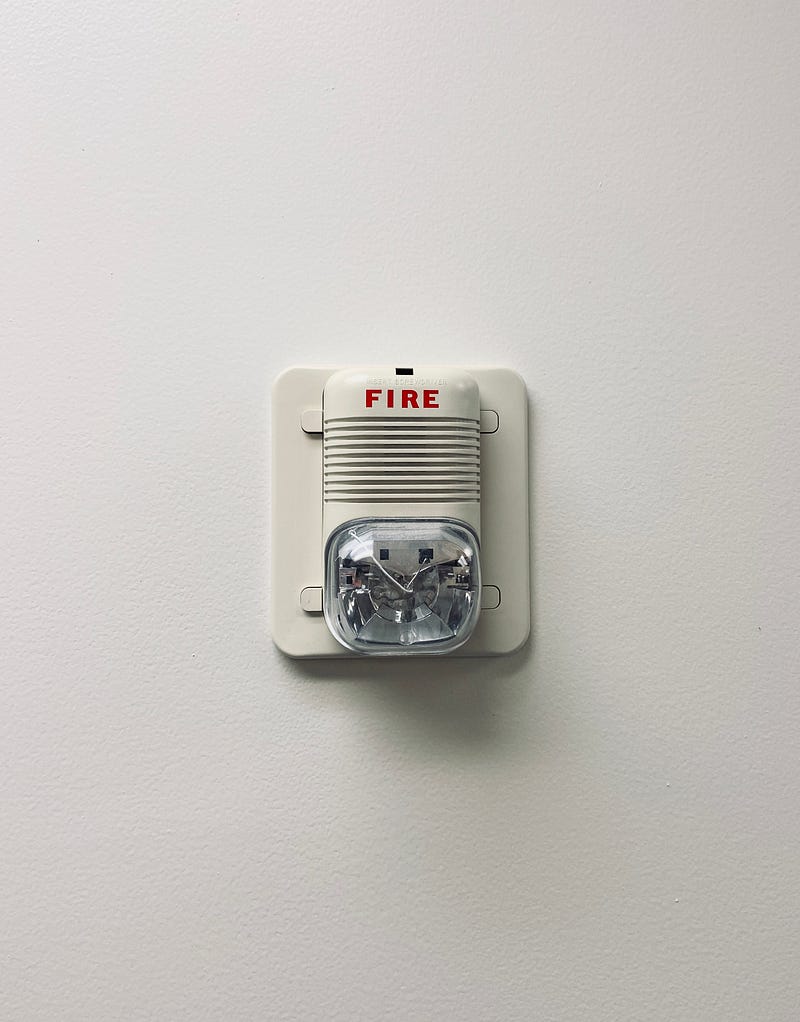
After you’ve showered you pull down your towel and you start to dry off…suddenly a loud alarm goes off and the alarm in your room is flashing. You open the door to your room and see that all the lights in the hall are flashing. You can hear footsteps running down the hall toward you.
Several nurses run up. “What happened? Is everything okay?” they ask.
“Yeah. I was taking a shower. I don’t get it; I just hung my towel on the door,” you say.
“You can’t do that. There are pressure sensors on top of the doors.” You learn that patients have tried to commit suicide from the doors before.
That didn’t do anything good for your anxiety, but it’s not time for your meds. You feel like it’s getting worse today. You try to pace around your room and take deep breaths to calm down, but you can’t. You can feel your heart pounding in your chest, and you can hear it beating in your ears.
You go to the nurse station, and they give you your dose early. They don’t like the look of you, as they check your vitals again.
You actually eat a little at dinner, and you try to drink a ton of water and juice. It’s like you’ve been out in the desert; you’re just so thirsty. After the cig break, you watch a little TV and get meds before bed.
Worsening Withdrawal
You have the room all to yourself tonight — so you’re hoping you can get some sleep. But you wake up from a nightmare at 2:30, and your body is shaking. You can’t get your muscles to stop contracting. Your heart is beating so fast you feel like you’re going to have a heart attack. Sweat has drenched your sheets. Your pillow is soaked through.
You stumble over to the nurse station while everyone else is asleep. They give you more meds, but you can’t get the little paper cup to your mouth. Your hand is shaking too much. The meds spill on the floor. They try again and you still can’t do it.
They take you back to your room to lie down, and they give you a shot of Ativan. They check your pulse and blood pressure which is dangerously high. They wait for five minutes and check it again and ask how you’re feeling.
You’re still tensing up and can’t relax. You say, “a little better, but not much.”
They give you another shot, and you don’t remember anything after that. You wake up the next day with a nurse beside you. Apparently, you slept through breakfast, and it is already time for lunch, which she brings you.
You don’t really want to move. You feel a little shaky, but not like before. It’s more like you’re unsteady. All your movements are jerky and hesitant. You take a shower, and your legs are shaky and uncertain. You can barely pull your boxers up. After you get dressed, you walk gingerly over to the common area.
You pass a crew of EMTs with a gurney. The bartender who came in last night is being rushed off to the emergency room. She’s in too bad shape for them to handle here. You think, yikes, that was probably almost you.
After dinner, you get some more meds and sit down in front of the TV. You’re looking but not really watching, sitting there in your own world. A woman sits down next to you. She asks if you’re okay; she heard about you from the nurses. She looks concerned.
You say you’re fine and that the nurses told you that you’d made it through the worst of the withdrawal. You hear someone screaming from down the hall. It’s not an uncommon occurrence.
It’s 10 pm. You head back to your room and put out the lights. You sleep better now because the checks don’t wake you up as much.
Light at the End of the Tunnel
The next day your vitals are starting to regulate. You meet with a social worker and psychiatrist who asks about your history and why you’re here. You pin it on work stress and a terrible relationship. Poor coping choices you say.
They’re going to take down your meds to get you off the benzos before you move to transitional living.
You go to some of the treatment meetings. You’re starting to get antsy. You don’t like being locked up and not able to go outside. It’s beginning to grate on your nerves, and one of the patients keeps bothering you with questions. She’s trying to argue that she’s a bigger alcoholic. You just want her to go away.
You try to do some reading in your room. You pace. You lay down. You pace. You call your girlfriend on the detox phone. She says that she doesn’t know why you’re complaining and that you’re basically in a resort. You get pissed.
What does she know about being monitored constantly and being locked on a floor with a bunch of people in various stages of withdrawal? How could she possibly say that? The nerve.
You smoke some extra cigarettes that night after dinner. You and another guy coming off Vodka start grilling the nurse on watch about the weirdest things she’s seen working there. She doesn’t want to tell you but eventually does.
Apparently, there are a lot of naked runners. Once they get off the property, the local police have to get involved. The security guard on duty adds that sometimes they need to use the taco approach to subdue unruly patients. The burrito method ended up with too many broken ribs over the years. You learn that when patients act out violently they fold them up in a mattress and then give them the “booty juice.”
Time for bed.
The next morning you’re feeling okay. No shakes. No jitters. Very low-grade anxiety. Stable, regulated vitals. It’s been a while since you haven’t had a hangover. You think you could get used to that.
After breakfast, they say you’re moving across the road to the 28-day program. More freedom. You collect a few phone numbers, say your goodbyes and remind yourself that you never want to be in detox ever again.