
What are NFTs and why should you know about them?
NFTs are an exciting development in blockchain technology because they allow for never-before-seen types of digital scarcity and virtual property ownership rights.
Non-Fungible Tokens, or NFTs, are a new type of digital asset that enables the creation of scarce digital goods.
These tokens give users the ability to own and trade collectibles that hold value in their unique patterns.
NFTs are an exciting development in blockchain technology because they allow for never-before-seen types of digital scarcity and virtual property ownership rights.
They can be used to create things like crypto kitties, rare art pieces, or even your very own cryptocurrency!
The possibilities are endless.
In this article we will cover:
- What are Non-Fungible Tokens (NFTs)?
- Why should you care about NFTs?
- What does the future of digital ownership look like with NFTs as a standard for digital goods and collectibles?
- The implications of decentralized trading for collectors of physical goods such as baseball cards, comic books, art pieces, etc…
- The benefits of NFTs as a new standard for digital goods and collectibles
- The risks associated with purchasing NFTs
- Examples of companies using NFTs today include Cryptokitties and Decentraland
What are Non-Fungible Tokens (NFTs)?
Non-Fungible Tokens, or NFTs, are a new type of digital asset that can be created and owned by anyone.
NFTs hold unique patterns which make them distinguishable from one another.
Although there may be multiple versions of an individual NFT (e.g., CryptoKitties), each one is unique and only belongs to one user.
Each has its own value based on scarcity, unique traits, and ownership history.
Although rare NFTs may also be issued on ERC721 (non-fungible token standard), these tokens do not necessarily represent ownership of any particular thing; they only represent ownership of the right to use that token.
For example, if you own an NFT then you can use it in one game or another.
NFTs are the future of blockchain technology.
While it is still early to tell what form this new asset class will take, there are some immediate applications that nearly all developers agree on including:
- Proving ownership over digital assets
- Authentication of digital assets
- Digital scarcity
- Crowdfunding and ownership distribution
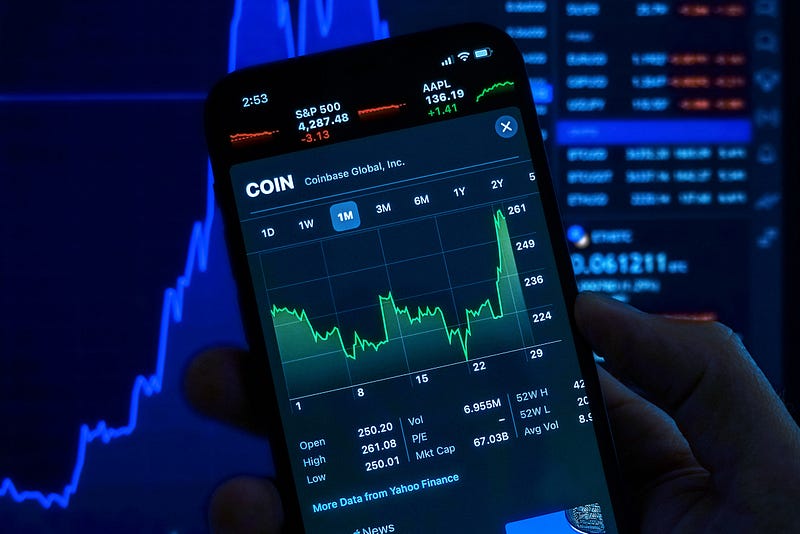
Why should you care about NFTs?
NFTs, or Non-Fungible Tokens, will be the future of blockchain technology and in turn digital assets.
It is important to take note that these tokens do not represent a specific thing; they only represent a right to use that token.
NFTs can be used to prove ownership over virtual assets.
For example, someone may want to prove that they own a unique digital asset issued on the Ethereum blockchain; however, there is no way to do that now.
Many developers believe that NFTs are the answer to this problem.
NFTs can be used as authentication of digital assets.
For example, if you want to ensure that a digital asset has not been tampered with, you can use an NFT to verify its authenticity.
This can be done by having the NFT stored on the blockchain in addition to the digital asset.
NFTs can be used to create digital scarcity.
With NFTs, users can prove ownership of scarce digital goods.
This means that the supply is finite; therefore, the more people who own this asset, the more valuable it becomes.
NFTs may also be used for crowdfunding and distribution of ownership.
For example, an individual or company could issue an NFT to help fund a project.
Each token could represent a share in the project or product.
After funding, the issuer could distribute ownership of the NFT to each investor using a smart contract.
It is important to remember that NFTs are still in their early stages and it is hard to say what their ultimate form will be.
However, developers agree that they hold a lot of potentials and should not be ignored.
As more people become aware of this new asset class, the uses for NFTs will continue to grow.

What does the future of digital ownership look like with NFTs as a standard for digital goods and collectibles?
The future of digital ownership is uncertain.
However, most developers believe that NFTs are the answer to the problems of ownership over digital assets.
Since most developers support NFTs, it is likely that they will become a standard for digital goods and collectibles.
The more people who own and use NFTs, the more valuable they become and there is more potential for them to be accepted as a standard.
Finally, keeping in mind that this asset class is still new and may go through significant changes in the future, investing in NFTs today is not recommended.
There are many risks associated with purchasing NFTs at this time since regulation of such digital assets has yet to be finished.
However, it is important for investors to keep an eye on this new asset class.
As NFTs become more popular, their value is likely to increase and they could be the answer to the problems of ownership over digital assets.
The implications of decentralized trading for collectors of physical goods such as baseball cards, comic books, art pieces, etc…
As more and more people trade digital collectibles and NFTs, the number of opportunities to purchase physical goods decreases.
This creates an increased value for any physical goods that are still available.
However, there is still a limited supply of these types of goods on the market.
Likewise, because there is no universal agreement on what constitutes the “best” item in each category (i.e., best comic book), it is hard to predict which types of physical goods will hold their value in the future.
It is likely that as decentralized trading continues to grow, the value of physical goods will continue to increase.
However, it is impossible to say for certain what will happen in the future.
Those who are interested in investing in physical goods should do their research and be prepared for potential fluctuations in value.
The benefits of NFTs as a new standard for digital goods and collectibles
NFTs provide the opportunity to own unique digital assets that cannot be replaced or copied.
The benefit of NFTs is that they can help people to better understand ownership since each token has a unique identifier.
In addition, because each item with an NFT is distributed at the time of creation, it is significantly harder to counterfeit.
On top of this, each NFT has an open-source wallet so there is no possibility for fraud.
As more and more game developers start creating digital assets on the blockchain, these unique tokens give users increased opportunities to own rare digital goods that can never be replicated.
This is a huge benefit for those who love collecting digital items and opens up a whole new world of possibilities for the future.
NFTs have the potential to revolutionize the way we think about digital ownership.
The risks associated with purchasing NFTs
As mentioned earlier, there are many risks associated with purchasing NFTs at this time.
For example, regulations for NFTs are not finalized which means that it is unclear how this new market will operate in the future.
There are also some concerns that regulations might be too stringent for NFTs to gain wider adoption.
Another risk associated with purchasing NFTs is that because they are a new asset class, the value of collectibles might drop over time and it is possible that they will never gain widespread popularity.
NFTs may also become less popular as digital assets become more advanced and other types of tokens start to emerge.
Finally, NFTs are still unknown territory for many investors since they have yet to be fully embraced by the mainstream market.
This makes them an extremely risky investment since they are not widely understood.
For example, there is still no guarantee that NFTs will be able to hold their value which makes purchasing them even riskier.
At this time it is unknown if the demand for these types of assets will ever increase to the point that they will become a more commonly used alternative to other types of digital goods.
It is also unclear how new regulations or standards might affect them long-term.
However, given their rapid growth and the speed at which new NFT projects are being built, it seems likely that they will continue to increase in popularity.

Examples of companies using NFTs today include Cryptokitties and Decentraland
One of the most popular examples of a company using NFTs today is Cryptokitties.
This company allows users to purchase, collect, and trade digital cats.
The unique thing about these tokens is that each one is different and cannot be replaced.
This has led to a huge demand for Cryptokitties and the company has been able to make millions of dollars in revenue.
Currently, Cryptokitties is one of the most successful companies utilizing NFTs.
Another example of a company using NFTs is Decentraland.
This company allows users to create and explore virtual worlds.
One of the benefits of using Decentraland is that it is an open platform which means that anyone can create their own world.
These users gather together and make new digital communities with like-minded individuals.
In addition, everyone who uses Decentraland is able to buy virtual land with their collectibles which allows them to build anything they want.
This unique technology has allowed a more organic community of users to form around Decentraland and has given the ability to own digital property for the first time.
It is possible for users to find and trade their land like any other form of real estate which further increases the value and demand for these tokens.

Conclusion
NFTs, or Non-Fungible Tokens, are a new type of digital asset that enables the creation of scarce digital goods.
These tokens give users the ability to own and trade collectibles that hold value in their unique patterns.
The risks associated with purchasing NFTs at this time include regulations for NFTs being unclear how this market will operate in the future and whether it will ever gain wider adoption due to regulation fears and because it is still unknown if demand for these types of assets will increase.
The benefits of owning NFTs include being able to own digital property and the ability to form new digital communities.
Examples of companies using NFTs today include Cryptokitties and Decentraland.
These companies are pioneers in the development of this technology and have seen success in their implementation so far.
As this market matures, it is possible that NFTs could become a standard for future digital goods.
Today, there are not any standards set in place for companies utilizing NFTs.
This means that each company has its own way of implementing them and what they can be used for.
Different projects have had success with different uses but it seems as though the most promising implementation for NFTs is as a way to represent ownership of digital property.
As this technology develops, it will be interesting to see how standards are set and what other uses for NFTs emerge.
Follow me on Twitter: https://twitter.com/DevAsService
Check out my website at: https://developer-service.io/
Check out other articles that might interest you:
If you enjoyed reading this article and found it useful, you can support me by signing up for a Medium membership (if you are not a member). It will only cost you $5 a month — this will give you access to all stories on Medium! (and I will receive a small commission)
Besides that, if you want to stay updated when I post a new article, you can signup for my free newsletter!


