Weekly Prompt: Time to Get Oddly Specific
When they have mountains of data, they can put you in tiny boxes

Welcome to the third weekly challenge for September, where the theme is Swopping Conventions.
As we said in the Monthly Theme announcement, the goal is to get you to try different styles, rules and conventions out by swopping your usual genre out for something new.
Micro-genres have been around since the 1970s, perhaps even earlier, and have been used to categorise music, film, literature and more.
But it wasn’t until the Golden Age of streaming, both video a la Netflix and audio from Audible, that we got the massive proliferation of increasingly specific (and often quite odd) data-driven micro-genres.
For instance, Netflix has more than 76,897 micro-genres, including things like “Sexual Thrillers With Dark Comedy and Science Fiction” or “French-Language Movies Featuring a Strong Female Lead” or how about “Emotional Independent Dysfunctional-Family Comedies.”
Challenge Requirements
Your story must:
- Write a story using one of the micro-genres provided. We explain the requirements for each micro-genre below the Challenge Requirements. (Paul’s note: yes, read the entire article. Or at least skim it. There’s good stuff below.) • Supernatural Schools • Small-Town Secrets • Epistolary Novels • Scammers & Swindlers • Myths Reimagined
- Be minimum 100 and max 1000 words long, excluding the title, subtitle, and post-story bio/links. (We use Medium’s word count feature.)
- Be fictional, even if it includes factual information or concerns.
- Use “Audibly Micro” as one of your five tags.
This Week’s Micro-genres are an Earful
These are taken straight from Audible’s Micro-genre page; the tagline says it all: Micro Genres, Major Obsessions.
Why care about these oddly specific categories? Well, if two of the biggest media houses have the data to back niches of this specificity, there’s bound to be very loyal consumers on the other end. Giving people exactly what they want when there is an insane multitude is the bread and butter of Big Stream.
Giving people the stories they want, and want to love, is about identifying their specific kink. Whether or not it’s erotica.
And now, without further fluffery, here’s your Micro-genre options, tell us a story that embodies one of these oddly specific obsessions.

SUPERNATURAL SCHOOLS
First lesson: suspend disbelief
Grab on to your broomsticks. School is in session! These extraordinary listens are packed with all the drama of high school and higher education with an exciting dose of the supernatural. Well-learned witches, varsity vampires, and spirit-conjuring sororities await you in this magic-filled micro genre.
Banned: Writer’s who are Harry Potter fans cannot write in this one. (Note from Paul: Anyone that has attended a supernatural school is also banned)
Example Story by Zane Dickens:

SMALL-TOWN SECRETS
The neighbours are doing what?
Unforgivable affairs, missing persons, mistaken identities, and murder — these towns may be small but they’ve got serious problems. Tag along with small-town detectives, transplanted FBI agents, and nosy neighbors as they investigate suspicious goings-on. Because every crime is more chilling when committed off-the-grid.
(Zane’s note: Anyone seen Broadchurch? British show about murder in a small town, pretty good. Everybody’s got that odd neighbour up to no good, or are they hiding a happy secret, a beautiful pastime? That doomed pandemic romance novel of mine had a grumpy neighbour who transformed his apartment into a secret misty rainforest. It gave him a hacking cough, but it was his masterpiece.)
Example Story by May More:
EPISTOLARY NOVELS
Captivating correspondence
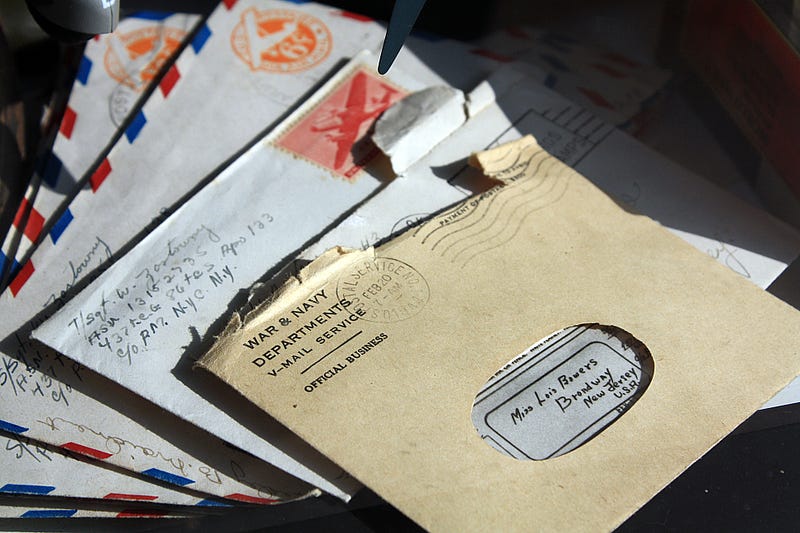
An epistolary novel is a novel written as a series of documents: letters, diary entries, and more recently, blogs, recordings, and emails. Regardless of style, the effect is the same: the listener becomes a sort of detective or witness to the unfolding of a story in real time. Fun fact: The word epistolary is derived from Latin from the Greek word ἐπιστολή epistolē, meaning a letter.
Example Story by Teresa Grabs
(Zane’s note: I once wrote a “found footage” Sci-Fi murder mystery story that used this mode, perhaps I’ll dig it out and reduce it to Flash — Paul’s note: When I read Zane had written Flash, I thought of the Flash player and not Flash fiction and thought “How quaint.”)

SCAMMERS & SWINDLERS
Grifters, both loveable and loathsome
Hankering for some true crime (hold the nightmares)? These unpauasable listens may not feature murder, but they’re guaranteed to induce gasps and jaw-dropping stupor all the same. Uncover conspiracies, embezzlement, and some serious scams, all approved for listening after dark.
Example Story:
This space goes to the first good story received.
MYTHS REIMAGINED
The gods you know and love in a new light
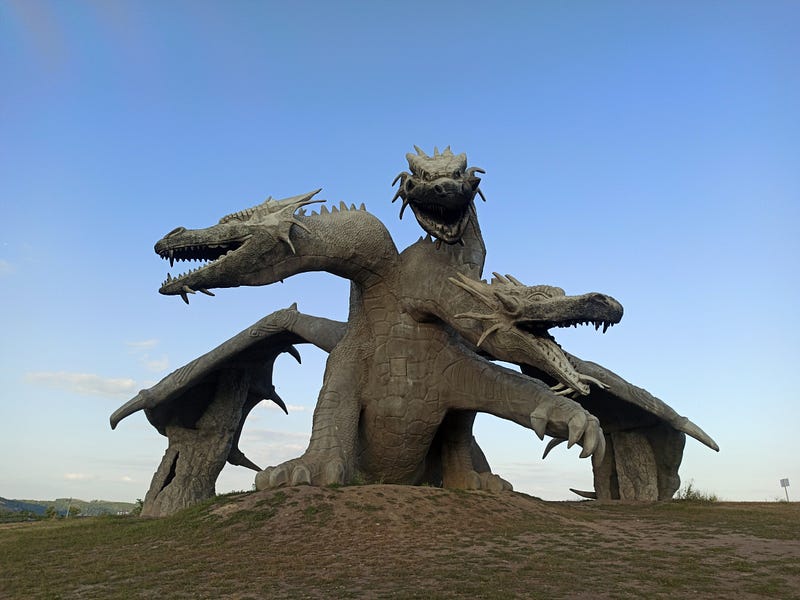
Mythology has fascinated us for millennia, offering an endless well of inspiration for many authors. Whether you’re looking to expand your knowledge base or get lost in a fresh take on an age-old tale, these immersive listens will transport you across continents and cultures.
Example Story:
This space goes to the first good story received.
Banned: Zane Dickens, here’s the proof I’ve done this one before.
The hallmark of successful people is that they are always stretching themselves to learn new things.
Carol S. Dweck, wrote the book on Growth Mindset