
Weekly Prompt: Pick a New Genre
Updated: with tropes, tips, masterclass notes and visual prompts (pictures)

Welcome to the first weekly challenge for September, where the theme is Swopping Conventions.
As we said in the Monthly Theme announcement, the goal is to get you to try different styles, rules and conventions out by swopping your usual genre out for something new and possibly avoided.
You’ll likely learn a fun thing or two to bring back into your normal happy place.
Most Popular Fiction Genres
Here’s the list of major genres in no particular order. Your mission, should you choose to accept it, is to pick the one you’ve never written for and dive in.
Then, either riff straight off what you have in your head about it; we won’t judge or do a little research and surprise us with what you find.
I said I’d do the heavy lifting this month, so here are Wikipedia’s definitions for each with some key points to remember.
Update: Now with added optional Twitter Prompt
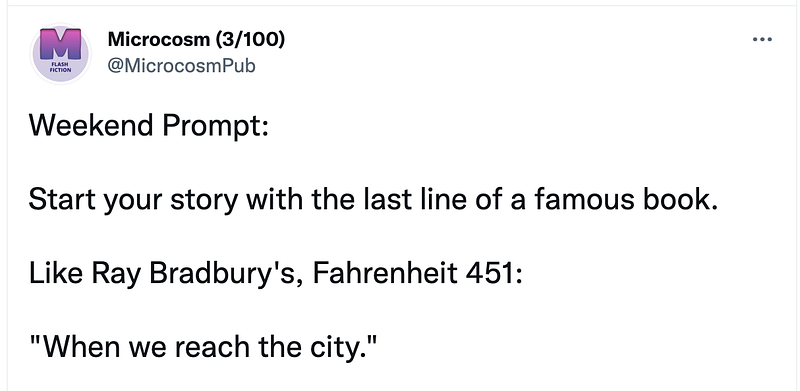
Nicola MacCameron raised a good point, you can pick a new genre but then what? Well, you can use our twitter prompt and start with the end in mind.
Fantasy
Write something with magic and castles, dragons or elves.
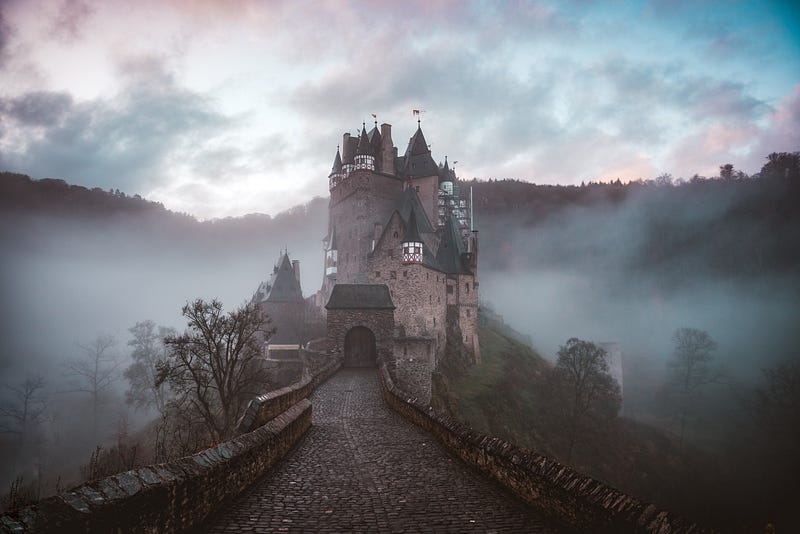
Fantasy is a genre of speculative fiction set in a fictional universe, often inspired by real world myth and folklore. … Most fantasy uses magic or other supernatural elements as a main plot element, theme, or setting. Magic and magical creatures are common in many of these worlds.
- Learn more: 101 Fantasy Tropes For Writers
- Masterclass notes: Triple Hugo Winning Author, N K Jemisin
Horror
Write something gory or chilling or spooky or skin-crawlingly unsettling.
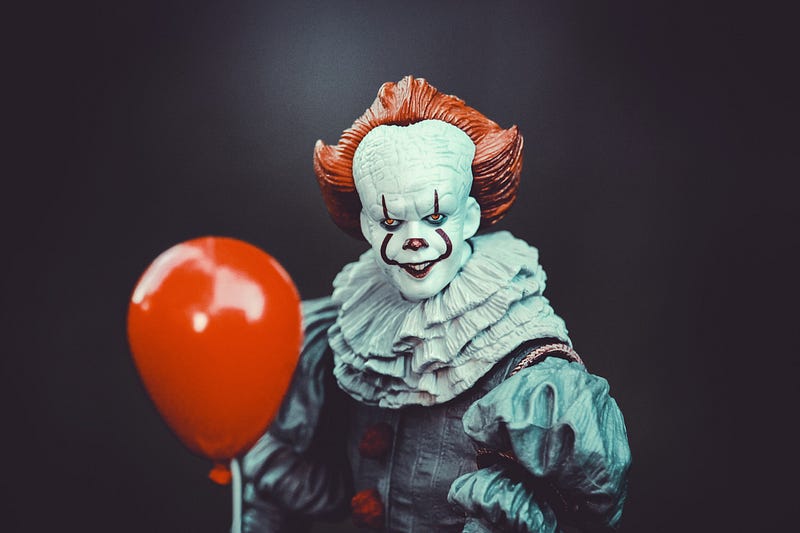
Horror is a genre of speculative fiction which is intended to frighten, scare, or disgust.
Often the central menace of a work of horror fiction can be interpreted as a metaphor for the larger fears of a society.
Prevalent elements include ghosts, demons, vampires, werewolves, ghouls, the Devil, witches, monsters, dystopian and apocalyptic worlds, serial killers, cannibalism, psychopaths, cults, dark magic, Satanism, the macabre, gore, and torture.
Learn more: 101 Horror Tropes For Writers
Mystery
There’s a body, and a room full of guests. Whodunnit?
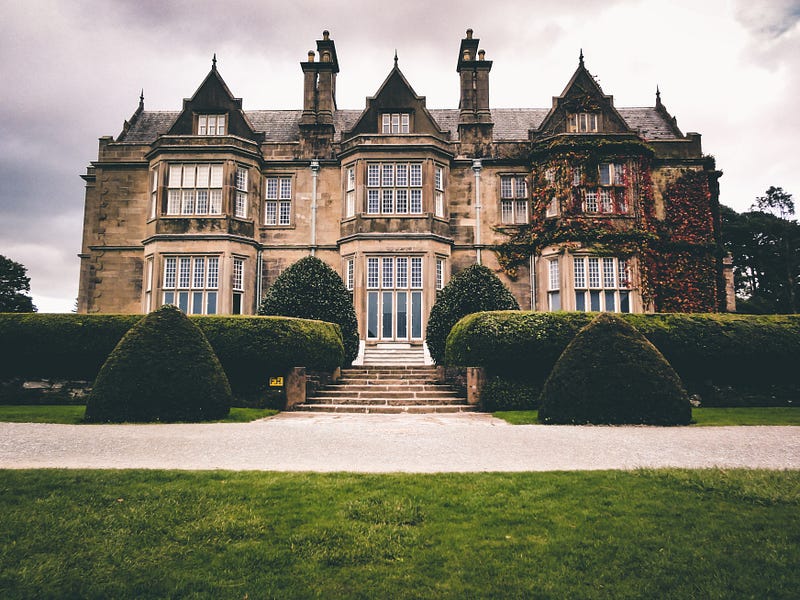
Mystery is a fiction genre where the nature of an event, usually a murder or other crime, remains mysterious until the end of the story.
The central character is often a detective (such as Sherlock Holmes), who eventually solves the mystery by logical deduction from facts presented to the reader.
Mystery fiction can be detective stories in which the emphasis is on the puzzle.
- Masterclass Article: How to Write a Gripping Mystery Novel: 9 Mystery Writing Tips [Worth a skim of the tips, some apply to Flash]
Romance
Two souls collide and pull apart only to fall into each others’ arms.

A romance novel or romantic novel is a type of genre fiction novel which places its primary focus on the relationship and romantic love between two people, and usually has an “emotionally satisfying and optimistic ending.”
Women will pick up a romance novel knowing what to expect, and this foreknowledge of the reader is very important. When the hero and heroine meet and fall in love, maybe they don’t know they’re in love but the reader does. Then a conflict will draw them apart, but you know in the end they’ll be back together, and preferably married or planning to be by page 192.
— Joan Schulhafer of Pocket Books, 1982[8]
Learn more: 101 Romance Tropes For Writers
Science Fiction
Pew pew and ka-boom. Robots and societal questions on a galactic scale.

Science fiction (sometimes shortened to sci-fi or SF) is a genre of speculative fiction that typically deals with imaginative and futuristic concepts such as advanced science and technology, space exploration, time travel, parallel universes, and extraterrestrial life.
It has been called the “literature of ideas”, and often explores the potential consequences of scientific, social, and technological innovations.
- Learn more: 101 Sci-Fi Tropes For Writers
- Masterclass notes: Triple Hugo Winning Author, N K Jemisin
Thriller
High pace and physical danger, our daring hero will get his man.

Thriller is a genre of fiction, having numerous, often overlapping subgenres. Thrillers are characterized and defined by the moods they elicit, giving viewers heightened feelings of suspense, excitement, surprise, anticipation and anxiety. Successful examples of thrillers are the films of Alfred Hitchcock.
Thrillers generally keep the audience on the “edge of their seats” as the plot builds towards a climax. The cover-up of important information is a common element.
Literary devices such as red herrings, plot twists, unreliable narrators, and cliffhangers are used extensively. A thriller is often a villain-driven plot, whereby they present obstacles that the protagonist must overcome.
- Thrilling Tips: 5 Tips To Help You Write A Gripping Read
- Masterclass Notes: Brown’s MasterClass on Writing Thrillers
Western
Maybe this darling doesn’t need rescuing, but the ranch sure does need help.
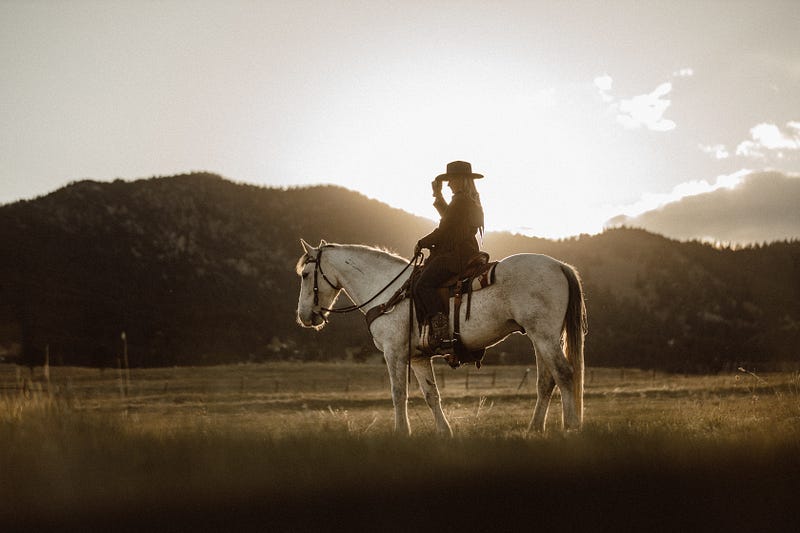
Western is a genre of fiction set primarily in the latter half of the 19th and early 20th century in the Western United States, which is styled the “Old West”. Its stories commonly center on the life of a nomadic cowboy or gunfighter who rides a horse and is armed with a revolver and/or a rifle.
Westerns often stress the harshness of the wilderness and frequently set the action in an arid, desolate landscape of deserts and mountains.
Often, the vast landscape plays an important role, presenting a “mythic vision of the plains and deserts of the American West.
- Dem Rules: The 4 Golden Rules Of Writing A Western
Coming of Age
All grown up now. But it wasn’t always so. These journey’s take a lifetime.
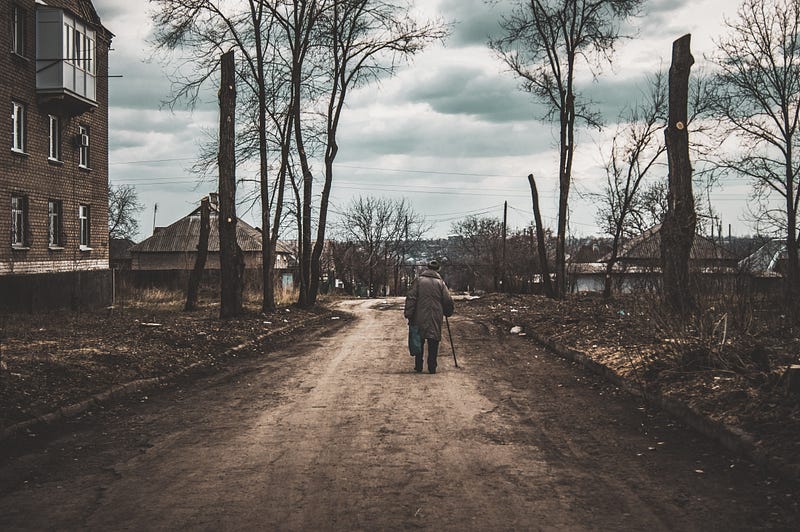
Coming of Age (for the lovers of loan words and portmanteaus, Bildungsroman is another name for Coming of Age) is a literary genre that focuses on the psychological and moral growth of the protagonist from youth to adulthood (coming of age), in which character change is important.
The term comes from the German words Bildung (“education”) and Roman (“novel”).That’s really all there is to it.
- Masterclass Notes: Amy Tan’s MasterClass on Fiction, Memory, and Imagination [Best fit I think]
Pick one and off you go
And before you ask, no, you’re not stuck with the one you pick in Week 1. Although that could be fun too, chasing a Romance all the way through Billionaire Romance and down to Jane Austen with Zombies.
Challenge Requirements
Your story must:
- Pick a genre you’ve never or really really don’t write for often and give us your best effort
- Be min 100 and max 1000 words long, excluding the title, subtitle, and any post-story bio/links. (We use Medium’s own word count feature.)
- Be fictional, even if it includes factual information or concerns.
- Use “Big Box” as one of your five tags.
“Be willing to be a beginner every single morning.” ― Meister Eckhart
Here’s some crappy poetry to make you feel better about looking foolish for trying something new.
Choose a genre that is not your home. Explore this place, but you’re not alone. Within this space, you could belong. Cherish this chance to sing a new song.
You know the drill, follow us on Twitter at @MicrocosmPub and make your dog/cat/hamster/husband/wife/friend/me happy. Who knows? We may follow you back. (Yeah, we’ll follow you back. We like you. We really do.)
If you didn’t already know, since Ev Williams is also a co-founder of Twitter, Medium seems to have a soft spot for Twitter. All Twitter story links work like friend links for non-members.


