
We Have Come a Long Way
One less pipeline to worry about and many reasons to celebrate
June 9, 2021 was a good day. On this day, TC Energy confirmed the termination of the Keystone XL Pipeline.
As an environmentally conscious Albertan, this is a story that I have been following very closely for some time now. So, naturally, I thought to write a piece about the pipeline project, going into some detail about the decade-long struggle to have the project terminated. I even thought to write about Obama, Trump, and Biden, about Alberta and the long list of failures of Alberta’s Premier, Jason Kenney.
But this would not even begin to capture what I’m feeling at the moment. After all, this is a victory for not only those of us who were politically invested in the project, but a big win for environmentalist and Indigenous groups everywhere. So let's take a moment to appreciate what we have accomplished.
Keystone XL is dead. We made it happen. The fossil fuel era is one pipeline closer to the end.
Instead of writing about the pipeline, I decided to say a few things about environmental movements more generally. We have come very far and our achievements should be recognized and celebrated.
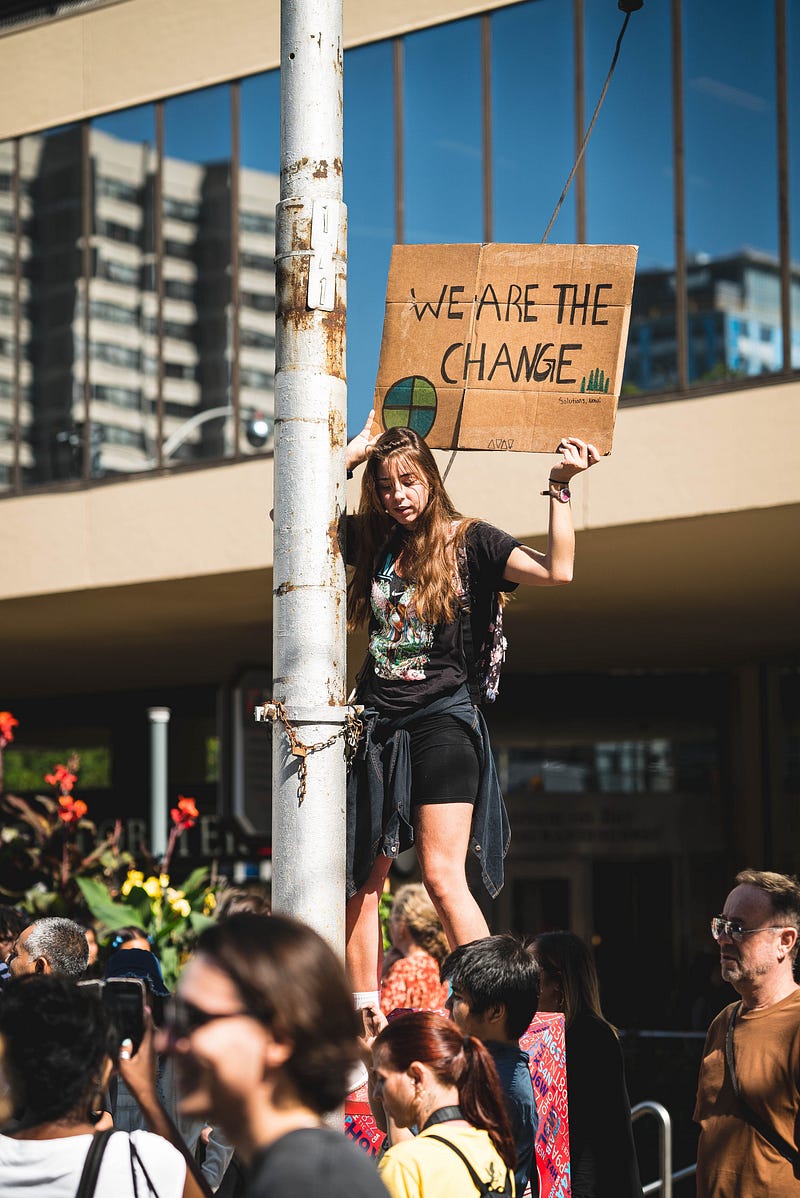
Since the 1960s in particular, environmentally conscious groups and individuals have demonstrated that environmental movements have the capacity to drive radical social and political change on both local and global scales. We have become, quite literally, a world-making force.
Environmental issues can no longer be ignored by governments and corporations. Their stance on these issues can affect anything from presidential elections to corporate boardrooms.
We have inspired environmental projects and organizations all over the world and made sustainability and ecological concerns central points of research and discussion in universities, journalism, urban planning, labor laws, national projects, and technological innovation.
And let’s not forget the powerful alliances that have formed along the way between environmental activists and anti-capitalist, anti-colonial, anti-racist, and feminist groups (to name a few).
I do not mean to clump together the various groups that have made this green-leaning political climate possible, but I do want to highlight that their contributions, however different in scope and style, have helped build momentum that today more than ever reminds us that a different world is not only possible but also well within our reach.
Not convinced? Let’s look at some examples from these past few months.
During the first half of 2021 we have seen measures being taken to establish a new global tax system, international agreements to make banks and companies disclose their data on environmental impacts and climate-related risks, and the introduction of “taxonomies” or common frameworks to better regulate the economic activities of corporations and financiers. These measures also aim to limit greenwashed self-labelling and environmental credentials, help countries meet net-zero goals, and guide investments according to standardized finance, sustainability, and human rights principles. As the Financial Times puts it, “In this new regulatory context, no matter how ‘green’ a product may appear, issues such as the use of child labour in supply chains or the dislocation of indigenous communities will render them ‘unsustainable.’”
Multinationals and financiers are thus coming under growing scrutiny, with environmentally minded groups and states expressing willingness to meet non-compliance with legal action, financial risks, and a variety of sanctions and regulations.
Add to this divestment and exit policies, court rulings, and boardroom changes and you end up with a situation in which various environmentally and socially harmful industries become virtually uninvestable — which in turn increases the chances of unpopular (i.e., environmentally harmful) assets becoming stranded and projects halted, delayed, or cancelled.
Discussions about green recoveries and degrowth are gaining momentum too. G7 economies, for instance, are having to face the costs of climate-based disruption in ways that are driving them to try to reorganize the entire global economy along green lines.
There are also the currently unfolding waves of anti-mining and anti-fossil fuel activism that are tackling the very first stages of harmful productive and extractive activities.
The conditions for these environmentally-driven macro-level changes have taken decades to secure and we are still some years away from being able to fully carry out a green global revolution (some of the regulatory framework measures described above continue to grant industries like nuclear energy and natural gas special treatment).
The point is that, over the course of six decades, the environmental movement has built a momentum that is now radically changing global economies and targeting every single stage of production, consumption, and supply chains.
From banks to mining companies, from labor laws to consumer-based emissions, environmental pressures are becoming as pervasive as extractive capitalism itself.
So great job, everyone! Keep it up! We’re almost there.
Related Stories by MCQ


