
We Don‘t Need To Cancel Cancel Culture But We Must Temper It
Cancel culture helps bring the elites to account but with great power, comes great responsibility
The term Cancel Culture is trending all over the airwaves and social media feeds these days.
Some people a vehemently against it, many are for it, with still others questioning if it even exists.
But what exactly is it, and is it good or bad? Let’s look at these questions and more below.
What Is Cancel Culture?
Cancelling someone or something is the act of de-platforming or otherwise gagging them — thereby restricting the spread of their ideas or legitimisation of their behaviour.
At one end of the spectrum, it can simply be censuring them (by their employers, sponsors and other associates). At the other — it could result in destroying their careers or even death.
While the term “Cancel Culture” and associated tags like #SomeoneIsOver are relatively new; the phenomenon has been around for centuries.
Except, back then, it was called heresy.
In the 1960s, Muhammad Ali was cancelled for his opposition to the Vietnam war — being stripped of titles, exiled from the sport and sentenced to prison.
400 years ago, Galileo was “cancelled” for his heretical writings that suggested the world revolved around the sun (rather than the other way round),
Heck, 2,400 years ago, Socrates was cancelled for corrupting the youth with his ideas.
It’s been happening to people long before it impacted Taylor Swift or the Dixie Chicks.
Is Cancelling People A Good Thing?
Historically — the power to cancel has been wielded by the establishment (be it the Church, the State, or the Elite). Typically, it was used to preserve the status quo and quash descent, but sometimes to help maintain social cohesion.
What’s different this time however is that it is driven bottom-up by “people power”.
Think of it as consumer-boycotting on steroids.
It has brought to heel many people who otherwise would’ve gotten away with criminal behaviour (like Harvey Weinstein and Kevin Spacey ) or those who haven’t broken the law exactly but are tearing the social fabric by spreading misinformation and abhorrent views or carrying on in an unacceptable manner).
It has also caused employers and sponsors to be more discerning of the background of people they choose to associate their brand with.
The movement is a form of vigilantism that has allowed everyday people to push back where the system itself has failed to hold the powerful to account.
That may sound great on the surface, but there are some serious shortcomings with this approach.
#1 Sometimes the crowd gets it wrong
Being trialled in the court of public opinion isn’t a particularly structured or rigorous way of getting to the truth of a matter.
The cancellation of Johnny Depp is a good example. Faced with accusations of domestic abuse, he lost lucrative work (like that with Disney’s Pirates of the Caribbean).
Turns out — he was the victim after all.
Another grey case is that of comedian, Aziz Ansari. He was pilloried by the Twitterati for what was arguably just a bad date. It had impacts not just on his emotional state but effectively torpedoed his then rising career.
This leads to the second problem.
#2 Who decides what’s acceptable or not?
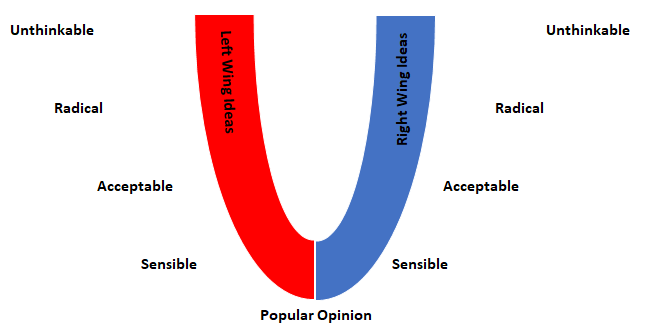
All ideas and actions fall on a spectrum of “acceptability”.
Some like — trying to promote more action on climate change are pretty popular.
Others, like promoting vegetarianism because of animal cruelty is socially acceptable. Most people still eat meat (which is the popular stance), but choosing not to won’t see you ostracised from society.
Then there are things like promoting QAnon type conspiracy theories (or 5G towers spreading COVID) which would be considered pretty radical.
What kinds of stances and actions should determine if someone should be cancelled or not?
Should one be cancelled for inciting or perpetrating hateful or exploitative acts (like R.Kelly was)?
What about making statements that are hurtful to certain people (like J.K Rowling’s comments on transwomen)?
What if you hold a political opinion which is different to most of your fan-base (like the Dixie Chicks or Gina Carano did)?
#3: The Mob Can Go Overboard
You can disagree with a person, but do not seek to harm them or endanger their lives.
With cancel culture essentially being mob action, it can often succumb to mob mentality and let things escalate.
Too often, the targets of cancel culture are doxed — with information about their personal life (like a home address) revealed to the public, receive a deluge of abuse and death threats, and sometimes even physically harmed.
Not only is this inhumane; it makes a martyr of the target.
So should we cancel Cancel Culture?
The short answer is no.
While free speech is often guaranteed, there is no secured freedom from consequences.
If I was famous, I may well consider using my position to comment on certain matters, as I’m sure the star of Mulan or Gina Carano did.
The corollary of that is that members of the public have the right to mobilise and lobby against those whom that they wish to.
The Dixie Chicks have a right to their political opinion, and their fan base have a right to not purchase their albums or attend their concerts.
Companies know this, and have a right to protect their economic interests by reviewing their relationship with the people they employ or sponsor.
Some celebrities, like J.K Rowling have enough “star power” to survive de-platforming attempts. Others, don’t.
There should however be some rules of engagement.
#1: Have a viable path to redemption
Everyone says and does controversial things from time to time. It’s part of being human.
The question is for broader society while we sit in judgement is: does the person regret their actions, and do they repent?
Jimmy Fallon is a prime example who fell foul in recent years for his depiction of fellow comedian Chris Rock by donning on Blackface makeup in a TV Show skit.
He was remorseful and apologised.
Contrast this with Sean Connery who not only beat women but doubled down upon it when asked about it on TV.
#2: Consider Broader Context When Passing Judgement
Canadian Prime Minister Justin Trudeau also got into some controversy for wearing brownface to costume parties.
Beyond his apology alone, it is also worth noting his wider pattern of behaviour. Time and again, he has shown himself to be an ardent lover of minorities and their cultures. His intention ought to also be a consideration — for he did not aim to ridicule or hurt anyone with his actions.
When deciding whether or not to cancel someone, other considerations include: the age of the person when they made the alleged transgression (a teenager should perhaps be given more slack than a 60-year-old); and the time in which they lived (being pro-segregation in 1920s South Carolina is not the same as in 2020 London).
#3: Don’t Be Too Quick To Judge
Cancelling someone based on the whiff of an oily rag will lead to many cases of undue damage to innocent parties.
Sure — In some cases, you don’t need to wait until the jury is literally in before cancelling them. Bill Cosby being an obvious example where there were literally dozens of accusations against him. Further, these were not about an outlandish political or social position, but an outright crime.
Contrast this with Aziz Ansari which was based largely on hearsay.
What are your thoughts?
Is “Cancelling” someone a legitimate course of action to take? Are there any other guidelines that should be followed when trying to cancel someone?
Let me know in the comments below!
You may also like: