Summary
The text emphasizes the importance of maintaining a positive outlook and creating moments of joy to counteract life's challenges and pain, suggesting that our presence and attitude can significantly affect our reality.
Abstract
The passage reflects on the human tendency to succumb to life's monotonous grayness, advocating for the power of individual presence to make a meaningful difference in our surroundings. It argues that embracing positive emotions like hope, optimism, and joy can open up new possibilities and even make mundane experiences like boredom more tolerable. The author posits that while pain is often seen as a teacher, we frequently ignore earlier, subtler messages urging us to change, leading to more intense pain due to resistance to growth. The text recommends cultivating daily moments of pure pleasure—such as enjoying a drink, a scent, music, nature, or the company of an animal—to create a protective "halo of contentment" that can alter how we experience pain.
Opinions
- The author believes that we rely too heavily on pain as a means of learning, suggesting that many painful experiences are a result of not responding to earlier, less forceful prompts for change or healing.
- There is an opinion that life's messages often come in the form of pain due to our resistance to leaving our "comfy boxes," implying that we are sometimes reluctant to embrace necessary change.
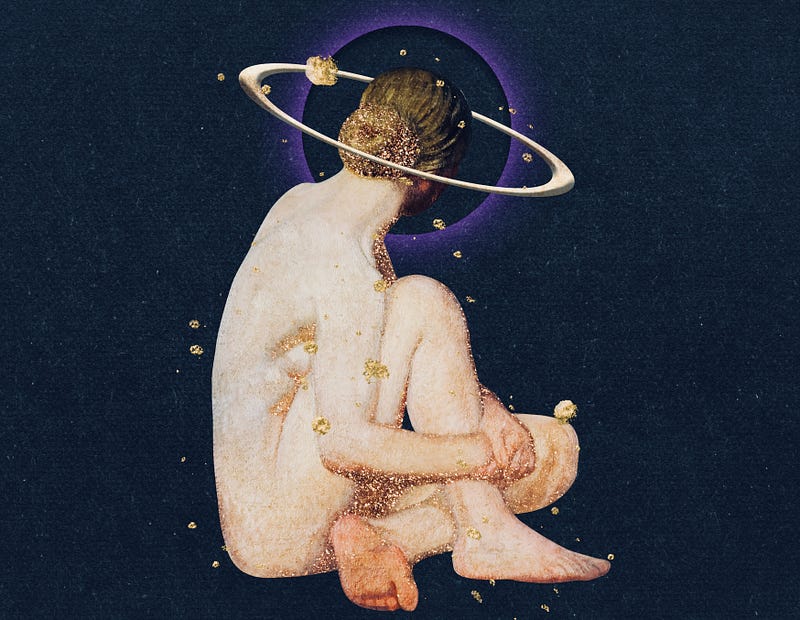
- The text conveys that intentional moments of pleasure and contentment can significantly influence our mental and emotional well-being, providing a buffer during times of pain.
- The author seems to suggest that the key to living through pain differently lies in the conscious creation of a contented life, rather than solely seeking to avoid or numb the pain.