
Water pollution — causes, effects and prevention. How to take care of water purity?
As recently as the beginning of the 20th century, about 2 million tons of sewage flowed into rivers, lakes and streams every day, and one liter polluted as much as 8 liters of clean water. The situation in the area of global water management is not improving, which is directly related to population growth, industrial and agricultural development. What are the main causes and effects of water pollution? We answer this question below.
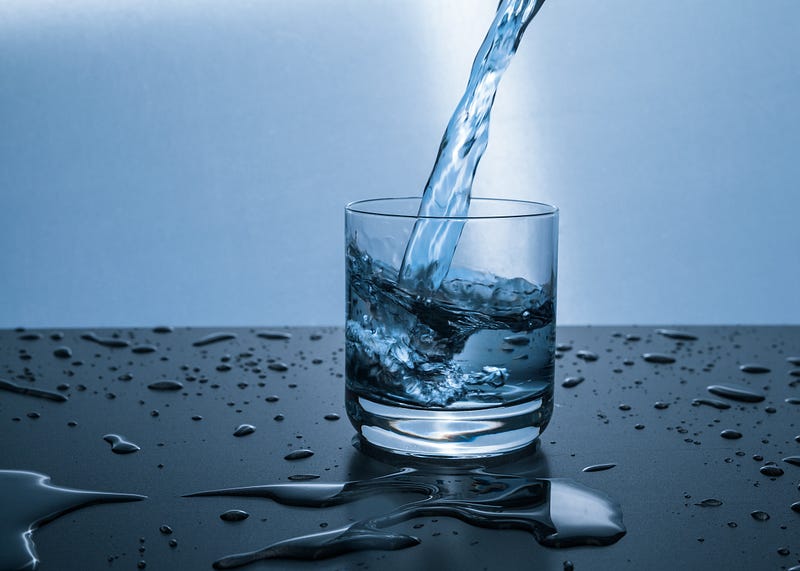
Did you know that one in three people do not have access to running water, and each year some 3.5 million people die as a result of lack of drinking water or consumption of contaminated water? Experts believe that by 2050 as many as 7 billion people in 60 countries will suffer from water shortages.
These are frightening figures, and yet it may seem that the topic of water pollution is still marginalized in society. It may even seem that people have forgotten that without this chemical compound there can be no life on our planet.
When do we talk about water pollution?
When we talk about water pollution, what we mean is a situation in which, under the influence of various factors, adverse changes occur in the area of its bacteriological, chemical and physical properties. Such a condition can be caused by the introduction of organic, inorganic (in gaseous, liquid or solid state) and radioactive substances. Violation of the normal physicochemical composition of waters can also be caused by the action of heat.
The consequence of the processes in question is that the possibility of using water for drinking, living and household purposes is completely prevented or only partially restricted.
Types of water pollution
Water pollutants are included in more than a dozen different classifications, which take into account, among other things, their origin, the extent of their impact on living organisms, source and persistence. The basic criterion by which pollutants are divided primarily considers their origin. In this context, a distinction should be made between:
- pollutants of natural origin — the occurrence of this type of pollution occurs following contact between water and natural factors, including decomposition substances of soils and rocks and dying aquatic organisms. Natural pollutants also come from admixtures contained in surface and groundwater. This includes contamination by iron compounds and salinity, among others;
- artificial pollutants — are pollutants of anthropogenic origin. Their presence is due to harmful human activities.
Water pollutants are also commonly classified in terms of their sustainability. In this respect, a distinction is made between:
- persistent pollutants — in this group are classified any pollutants that are only slightly degradable and remain in the water for a long time;
- non-degradable contaminants — contain substances that do not undergo the process of decomposition;
- decomposable pollutants — contain substances that have a negative effect on living organisms, but are subject to decomposition processes.
Sources of water pollution
The above division suggests that water pollution does not always occur as a result of human activity. True, various natural factors can lead to changes in the area of physical and chemical properties of water. For living organisms, water contaminated with fluorine and arsenic compounds is the most dangerous. In India, China and Mexico, where water is drawn from deep water zones, diseases caused by excess fluoride are not unusual.
However, there is no doubt that anthropogenic factors contribute most to water pollution. Listing their most common sources are:
- municipal pollution,
- industrial pollution,
- agricultural pollution.
Municipal pollution (wastewater) is a liquid that, as a result of treatment by humans, becomes unfit for reuse without undergoing neutralization processes. They are formed in households, public facilities and all places that use the sewage system. Speaking of municipal pollution, by this we mean primarily urban wastewater, generated as a result of domestic and economic activities of people. This consists not only of physiological excretions, but also of household, hospital and industrial waste.
Industrial pollution, as the name implies, comes from industrial human activity. Under this term are wastes generated as a result of ongoing production processes. This group is among the most dangerous pollutants, due to the potential content of harmful compounds, including mineral acids and bases, harmful organic compounds (dyes, petroleum components and phenols) and cyanides.
It is not only the chemical and physical composition of wastewater from industrial plants that poses a serious threat to the environment and living organisms. Their temperature is also a significant problem. Once allowed into any body of water, water heated to a high temperature has a strongly negative impact on the functioning of a particular ecosystem.
Industrial pollution is generated primarily in the processes of extraction and refinement of raw materials, purification of semi-finished products, feeding of hydraulic transport equipment, cooling of machinery, flotation, filtration and distillation.
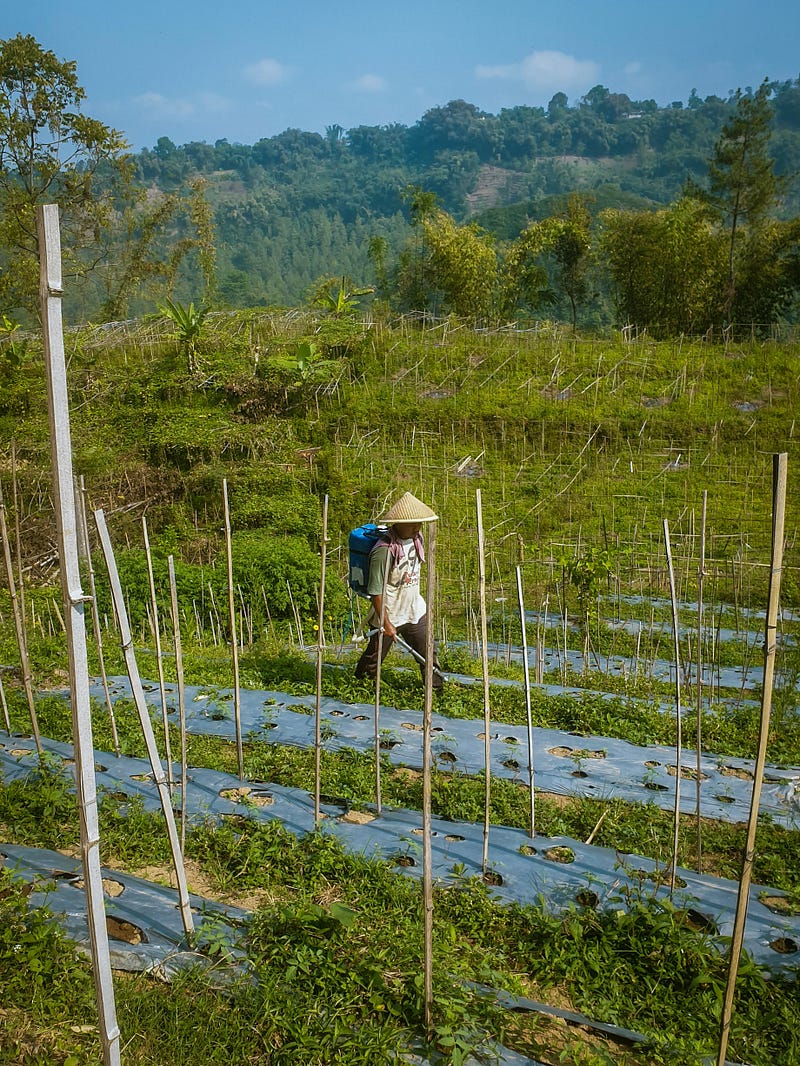
Agricultural production, in which the trend of increasing the amount of fertilizers and crop protection products used, also contributes to significant water pollution. Substances contained in pesticides and fertilizers are washed out of the soil and end up in groundwater and water bodies. This results in the process of eutrophication (overfertilization).
Which substances are involved? Agricultural pollutants are mainly dominated by nitrates, sulfates, chlorides and phosphates. Each of these substances is highly harmful to the environment.
Countries with the most polluted water
Almost 40 percent of surface waters in the Union are in good or very good condition.
However, there are countries that face even greater problems in this regard. The poor state of water affects Argentina, Bangladesh, the Philippines, Indonesia, China and India, among others. Water pollution is not exclusive to underdeveloped and non-European countries. Italy also faces a major problem — the Sarno River is among the most polluted in Europe.
Effects of water pollution
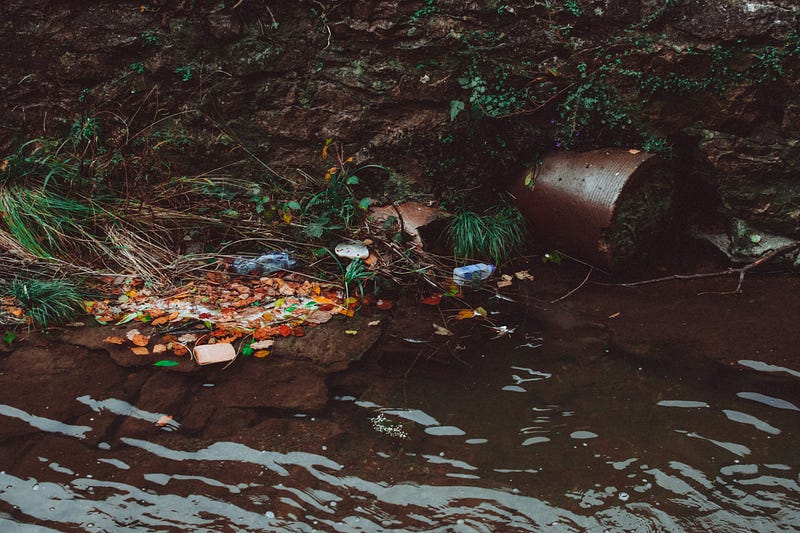
The effects of water pollution are multidimensional and depend primarily on the source of its occurrence. When it comes to municipal pollution, the change in color, taste and turbidity should be mentioned. The death of many aquatic organisms cannot be overlooked either.
Agricultural pollution leads to the development of microorganisms that are dangerous to humans and animals (fertilizer pollution), overfertilization of water (pollution with pesticides, fertilizers and manure), as a result of which bacteria algae and cyanobacteria develop in it.
How to prevent water pollution?
In the current situation, preventing water pollution is becoming a necessity. To this end, national governments are introducing increasingly stringent standards for industrial plants and households. Especially those that still use underground reservoirs into which wastewater is discharged. Organic farms are taking an increasing share of agricultural production, with less pollution of ground and surface water (less, not zero).
It is worth remembering that the responsibility for water cleanliness lies not only with central authorities, but with each of us. The decisions we make every day directly or indirectly affect the quality of the water we use. That is why it is important to foster environmental attitudes.
Cool that you made it to the end of this article. I will be very pleased if you appreciate the effort of creating it and leave some claps here, or maybe even start following me. It would be nice if you also left a tip! Thank you!