avatarThe Pareto Investor

Free AI web copilot to create summaries, insights and extended knowledge, download it at here

1621

Abstract

out of U.S. downtowns and other global city centers, suggesting significant, unpleasant changes. The buildings might stay, but ownership is likely to change hands.</p><p id="c2cb">He highlighted the widespread use of non-recourse debt in real estate transactions, where property owners can hand back the keys to lenders if values decrease or profits dwindle, leaving banks to absorb the losses.</p> <figure id="95dc"> <div> <div> <img class="ratio" src="http://placehold.it/16x9"> <iframe class="" src="https://cdn.embedly.com/widgets/media.html?type=text%2Fhtml&amp;key=a19fcc184b9711e1b4764040d3dc5c07&amp;schema=twitter&amp;url=https%3A//twitter.com/GRDecter/status/1714695996528054573%3Fs%3D20&amp;image=https%3A//i.embed.ly/1/image%3Furl%3Dhttps%253A%252F%252Fabs.twimg.com%252Ferrors%252Flogo46x38.png%26key%3Da19fcc184b9711e1b4764040d3dc5c07" allowfullscreen="" frameborder="0" height="281" width="500"> </div> </div> </figure></iframe></div></div></figure><h1 id="f01a">Rising interest rates pose a particular risk to commercial property owners</h1><p id="1e31">Unlike residential properties, commercial loans typically reset every three to five years to current interest rates. If property income fails to cover increased debt payments due to higher rates, foreclosures could become more common.</p><p id="2602">Buffett cited an example of Starwood defaulting on a $212 million loan on an office building in Atlanta, indicative of a broader trend that could lead to numerous foreclosures and significant losses f

Options

or banks.</p> <figure id="e9af"> <div> <div> <img class="ratio" src="http://placehold.it/16x9"> <iframe class="" src="https://cdn.embedly.com/widgets/media.html?type=text%2Fhtml&amp;key=a19fcc184b9711e1b4764040d3dc5c07&amp;schema=twitter&amp;url=https%3A//twitter.com/KobeissiLetter/status/1725221383725027713%3Fs%3D20&amp;image=https%3A//i.embed.ly/1/image%3Furl%3Dhttps%253A%252F%252Fabs.twimg.com%252Ferrors%252Flogo46x38.png%26key%3Da19fcc184b9711e1b4764040d3dc5c07" allowfullscreen="" frameborder="0" height="281" width="500"> </div> </div> </figure></iframe></div></div></figure><p id="c4a6">This crisis is expected to extend beyond the real estate market, affecting small and medium-sized businesses that rely on small regional and community banks. These banks, dominant in commercial real estate lending, might face losses and reduce overall lending.</p><p id="e75d">This, in turn, could negatively impact credit access for small and medium-sized businesses, hindering their ability to expand, hire, and spend, which would further slow economic growth.</p><h1 id="987b">In summary</h1><p id="d0ab">Buffett’s warning points to a complex web of consequences stemming from the real estate crisis, with potential widespread impacts on banks, property owners, and businesses, particularly small and medium-sized ones.</p><p id="15dc">The extent of these effects remains to be seen, but Buffett’s forecast suggests a challenging period ahead for the U.S. real estate market and the broader economy.</p></article></body>

Warren Buffett: “A Storm is Brewing” in the Real Estate Market
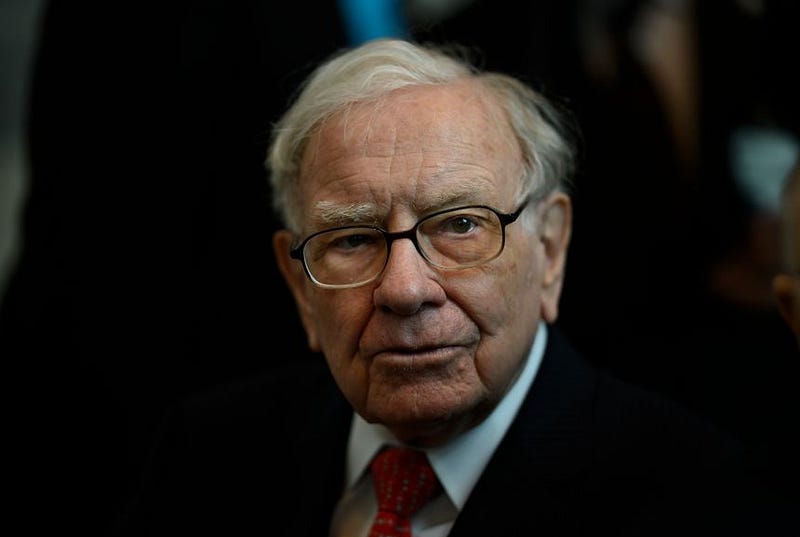
Warren Buffett: “A Storm is Brewing” in the Real Estate Market

Billionaire investor Warren Buffett has issued a stark warning about an imminent crisis in the U.S. real estate market. He predicts a major storm resulting from a $1.4 trillion debt-fueled crisis already impacting the market, with more severe effects anticipated in the coming months.

The last 15 years have seen the U.S. real estate market heavily driven by cheap debt, with interest rates largely remaining at zero percent. This led to inflated real estate values.

Also, to read:

Buffett’s concern is primarily with commercial real estate

He notes a potential hollowing out of U.S. downtowns and other global city centers, suggesting significant, unpleasant changes. The buildings might stay, but ownership is likely to change hands.

He highlighted the widespread use of non-recourse debt in real estate transactions, where property owners can hand back the keys to lenders if values decrease or profits dwindle, leaving banks to absorb the losses.

Rising interest rates pose a particular risk to commercial property owners

Unlike residential properties, commercial loans typically reset every three to five years to current interest rates. If property income fails to cover increased debt payments due to higher rates, foreclosures could become more common.

Buffett cited an example of Starwood defaulting on a $212 million loan on an office building in Atlanta, indicative of a broader trend that could lead to numerous foreclosures and significant losses for banks.

This crisis is expected to extend beyond the real estate market, affecting small and medium-sized businesses that rely on small regional and community banks. These banks, dominant in commercial real estate lending, might face losses and reduce overall lending.

This, in turn, could negatively impact credit access for small and medium-sized businesses, hindering their ability to expand, hire, and spend, which would further slow economic growth.

In summary

Buffett’s warning points to a complex web of consequences stemming from the real estate crisis, with potential widespread impacts on banks, property owners, and businesses, particularly small and medium-sized ones.

The extent of these effects remains to be seen, but Buffett’s forecast suggests a challenging period ahead for the U.S. real estate market and the broader economy.

Real Estate
Real Estate Investments
Finance
Economics
Investing
Recommended from ReadMedium