
Want to Improve Acne Scars, Hyperpigmentation, or Wrinkles?
My doctor recommended this treatment, and I’m seriously considering it.
They’re the first thing you see in the morning, aren’t they?
The pockmarks. The fine lines and wrinkles. The blotchiness.
Well, you’re not alone. I’m right there with you.
My personal demon is hypopigmentation. Hypopigmentation is a condition where white spots appear on the skin due to things such as aging, sun damage, or trauma. I’m fairly certain the trauma to my skin is because I’ve never met a pimple I could leave alone.
Regardless, the damage is there, and now I’d like to minimize it as best I can.
I use expensive creams. They help, but only a bit.
I also use tretinoin, the generic version of Retin A, and the gold standard product for repairing many skin issues. It works better than the expensive creams, but the difference is not as dramatic as I hoped.
However, when I met with a dermatologist and showed her my white-spotted, acne-pocked skin, she recommended microneedling.
I researched the treatment and its results, and I’m about eighty percent positive I’ll give it a go.
So if there are imperfections you’d like to see diminished, you might want to do your own research on micro-needling. However, I can give you some valuable information here and now.
What is microneedling?
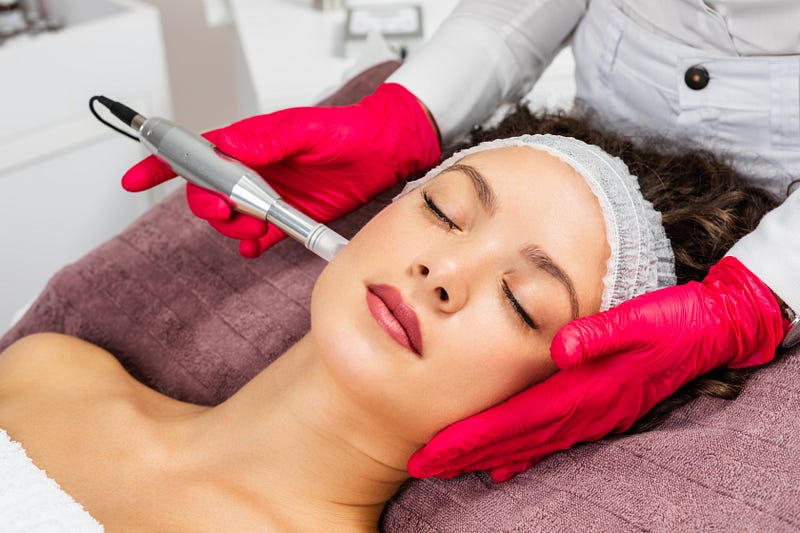
Microneedling is a procedure where the skin is “wounded” by inserting tiny needles into the skin.
Though this method sounds counterproductive, creating more wounds in the skin actually improves its condition. For example, the tiny pricks cause red blood cells to rush to the site and begin repairing the wound. This results in increased production of collagen. For this reason, microneedling is also called “collagen induction therapy.”
The benefits of microneedling
Aging
Medical News Today explains that “boosting collagen production or preventing its decline may help keep skin strong, elastic, and younger-looking.”
For example, one of the reasons fine lines and wrinkles occur is that the skin starts to thin over time. This thinning is due to the decrease in collagen that comes as a consequence of aging. Skip Deep Laser MD explains how micro-needling helps with this condition stating:
“Thin, delicate skin strengthens and appears as robust as young skin. [In addition], microneedling causes lax skin to tighten and appear less loose and aged.”
Furthermore, they claim the benefits of micro-needling work both to lessen the signs of aging already present and help the skin become less prone to aging in the long term.
Acne scars
Bridgetown Aesthetics explains how the collagen produced by micro-needling improves the appearance of acne scars, stating “the excess collagen acts as a filler, smoothing out the skin around the scars and improving overall appearance.”
Many research studies back up the effectiveness of this treatment on acne scars.
For example, Byrdie reports:
“A 2015 study of microneedling’s effect on atrophic acne scars revealed that patients experienced noticeable (“good to very good”) clinical improvement in the look of their post-acne scarring after three months of microneedling treatments.”
Hyperpigmentation and hypopigmentation
Microneedling also reduces the severity of hyperpigmentation (dark spots) and hypopigmentation (white areas of skin with no pigmentation). For dark spots, needling breaks up pigment below the skin. For hypopigmentation, the small wounds make melanocytes (pigment-containing cells) that move into hypopigmented areas. This movement increases pigmentation, lessening the contrast between skin’s regular color and regions of no pigmentation.
Cost and other considerations of microneedling
As with any procedure, microneedling comes with risks. However, many professionals say these are mostly minimal.
For example, one may experience temporary redness, swelling, peeling, and minor pain immediately after the procedure. These side effects usually last anywhere from two days to a week, with around forty-eight hours being most common.
Though rare, other, more serious complications are explained by board-certified dermatologist Dr. Bruce Katz, who says:
“When microneedling is not performed properly, there are serious risks like infections, scarring, hyperpigmentation, and bruising.”
This is why it’s essential to consult a professional beforehand to discuss the benefits and risks and determine if you are an ideal candidate for the procedure. If you decide to undergo microneedling, you also need to ensure it will be administered by a board-certified dermatologist and that new needles are used for every patient.
Treatments needed for maximum results
Depending on your individual facial concerns, the number of treatments you may need varies. However, many dermatologists say that three to six treatments are needed for optimal results, each spaced around a month apart.
Cost
Reaping the rewards of microneedling comes with a hefty price tag. Healthline details that the charge of a single session of microneedling may be anywhere from two hundred to seven hundred dollars. In addition, because microneedling is a cosmetic procedure, insurance will not pay any of the expenses.
At-home microneedling
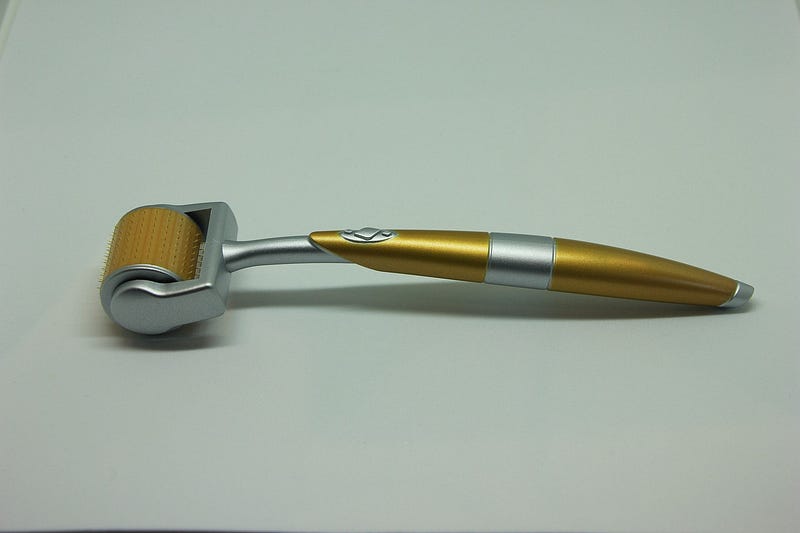
Because of microneedling’s rise in popularity, many companies have decided to market derma rollers as an alternative to the more costly procedure.
Derma rollers can be extremely inexpensive (starting around fifteen dollars or less). Still, the question is whether this at-home treatment is effective.
Professional opinions vary.
Some say derma rollers can improve the skin when used at home properly. However, they also say results take much longer and are less dramatic than an in-office procedure.
In addition, they also state that the cons of at-home derma rolling are serious ones. For example, Refinery 29 mentions “risk of infection is very high when using unregulated devices in an environment that is not clinical or sanitary.”
They cite advanced aesthetician Lisa Montake, who warns of the risks of at-home derma rollers, stating the following:
“Not only can you create bruising and track-mark lines from using too much pressure, but the wrong technique can easily cause micro-tears in the skin, leading to scarring and hyperpigmentation.”
The bottom line:
Though the current advice is to embrace your flaws, the truth is for me, these flaws often cause insecurity, depression, and lack of confidence.
If that’s the case for you, then maybe microneedling could lessen those feelings. (I don’t know about you, but I kinda need the ego boost.)
Yes, yes, I know I sound vain.
I am vain.
To me, that’s okay. Looking my best often means feeling my best, and that’s not something I’m ashamed of.
Remember the serenity prayer?
“God, grant me the serenity to accept the things I cannot change, the courage to change the things I can, and the wisdom to know the difference.”
Bottom line?
I want to change what I can (and make peace with the things I can’t). And as long there’s a chance to improve things, I’ll give it a go.
If you enjoyed reading, you may like my writings below. If you’re interested, you can subscribe to get my articles or join Medium here to have access to my work and the work of other talented writers.


