
Want to Be Spirited Away in Japan? Visit Eiheiji Temple.
How to enjoy the most sacred Zen place in the world
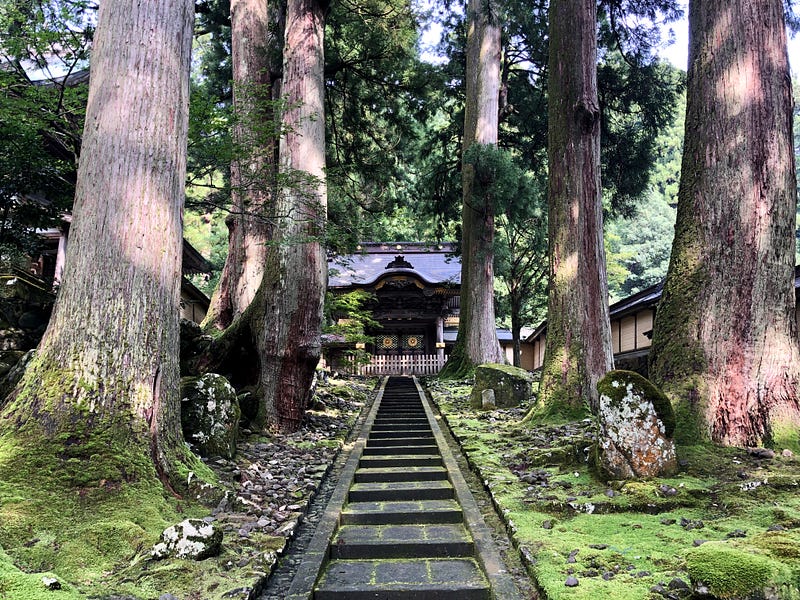
I have to confess that I had underestimated Fukui until I stepped into Eiheiji Temple. I’ve made the rounds to many temples in Japan and other Asian countries, yet with the sacred atmosphere and the beautiful harmony of the Japanese wooden architecture surrounded by nature Eiheiji immediately became my favorite.
Eiheiji is one of the two central temples of the Sōtō School of Japanese Zen Buddhism. If you’re interested in Zen culture or want to get a glimpse of Japanese monks’ practices, you’ll fall in love with Eiheiji and Fukui prefecture, where the largest number of temples exist in Japan.
Can’t come in person because of the closed borders? Please enjoy my report for your virtual tour while you plan your future visit.
Welcome to the World of Zen
Passing the stone gate and walking into the premises of Eiheiji, I was already sure it would be a special experience. The temple is deep in the mountains, surrounded by towering old trees and the Eiheiji River.
After washing my hands at Chouzu-sha and buying a ticket, I took off my shoes, put on the offered slippers, and followed the route.
In the very first room, a monk wearing a black kimono called kesa was explaining something to the group of guests in his clear voice.
First, I thought he was sharing the wisdom of Zen because I’d never seen a tour guide monk. But to my surprise, he was there to welcome and teach us how to tour the complex buildings in a proper manner: don’t enter certain areas, don’t take photos of monks, and always walk on the left side of the route. (Don’t worry — you can simply follow the signs in English if you don’t understand the Japanese.)
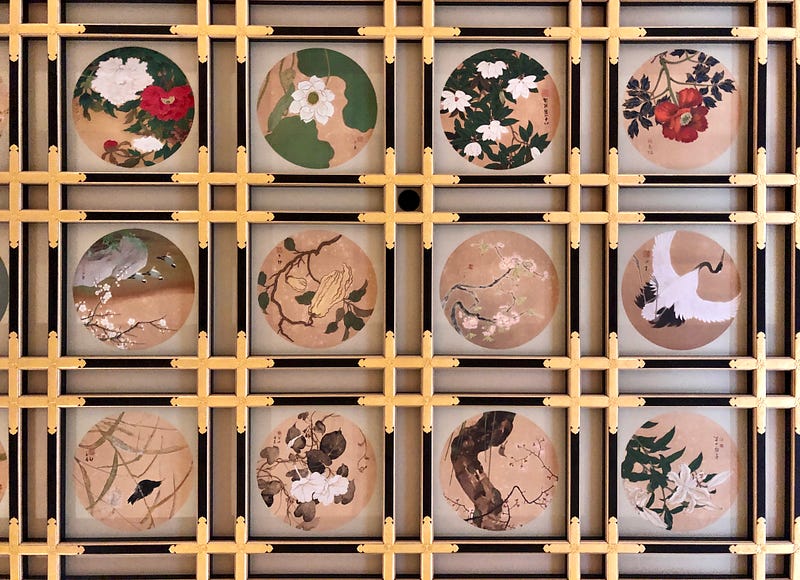
In the first building, Sanshōkaku, you’ll be overwhelmed by the 230 drawings on the ceiling of the tatami room. Colorful flowers and birds in the gold-plated latticework are so enchanting that you can spend hours trying to find the cleverly hidden animal figures disguised in the drawing (2 carp, 1 Chinese lion, and 1 squirrel). Try finding them, but don’t twist your neck!
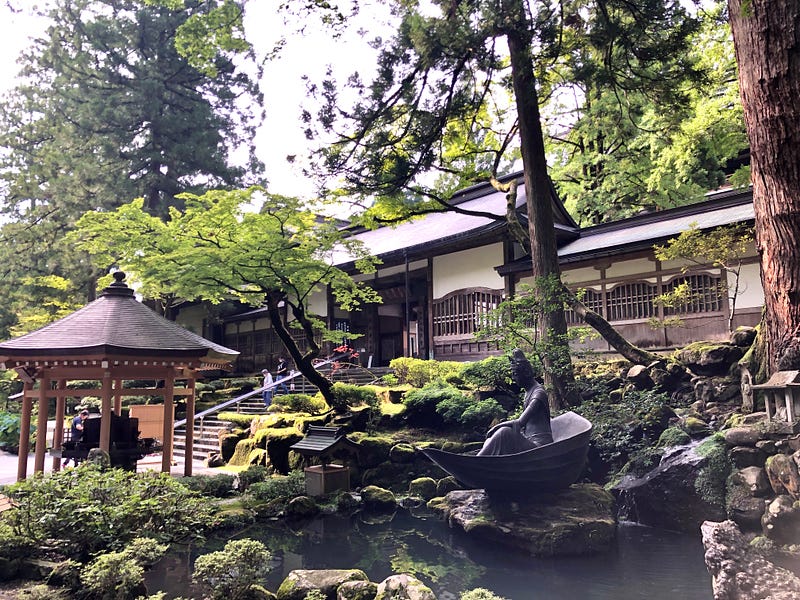
On your way to the next building, you will appreciate the perfectly designed central courtyard with its little pond and quaint stone bridge.
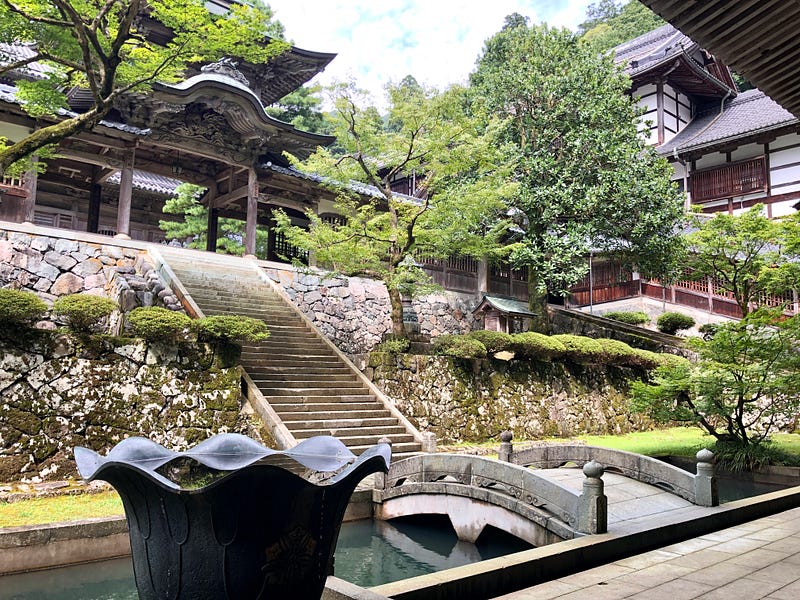
Be aware that there are wooden stairs everywhere connecting each hall and they can be a bit challenging for children and the elderly.
Also, the buildings are basically open-air. Bring a bottle of water if you visit in summer, though it’s much more comfortable in Fukui compared to burning hot Tokyo.
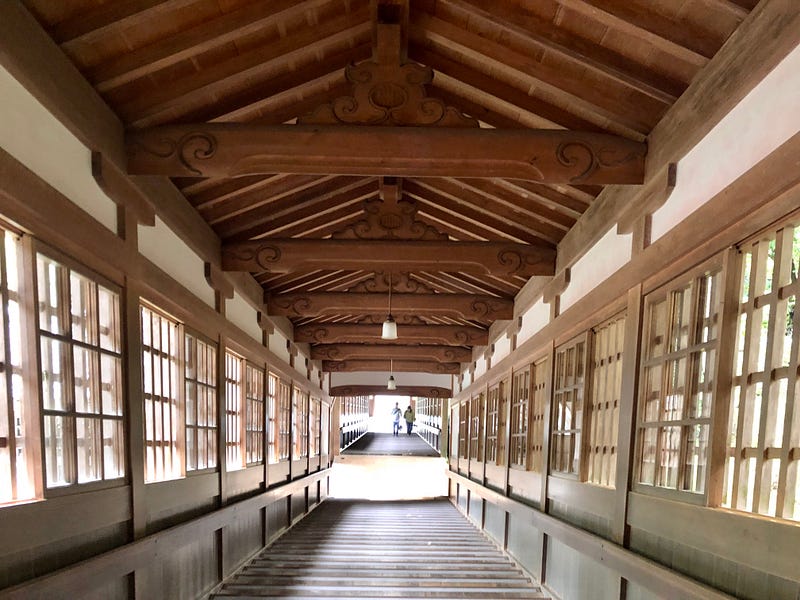
Eiheiji isn’t a place to take a quick look. You’ll want to clear at least a few hours to see it through. Although currently not possible due to COVID, in regular times you can also join zazen (Zen meditation) workshops or stay overnight and learn more about the monks’ daily lifestyle to make the most of the visit.
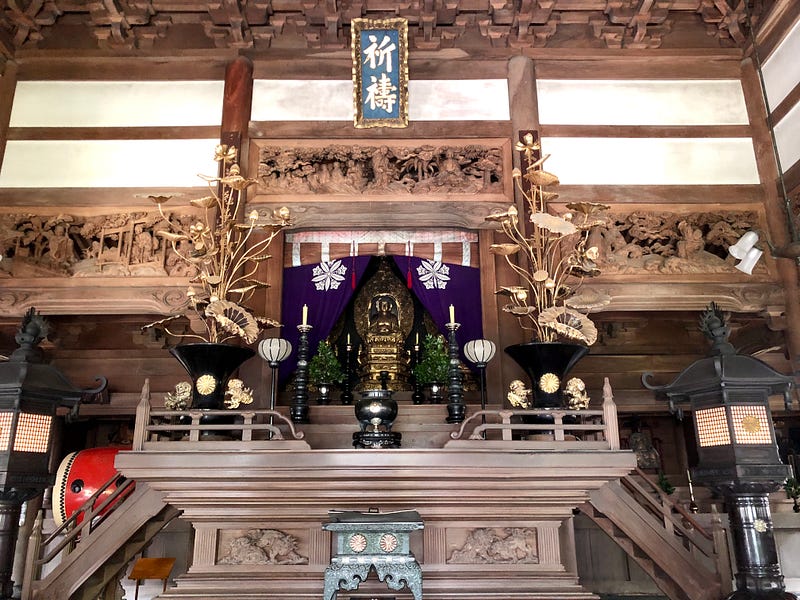
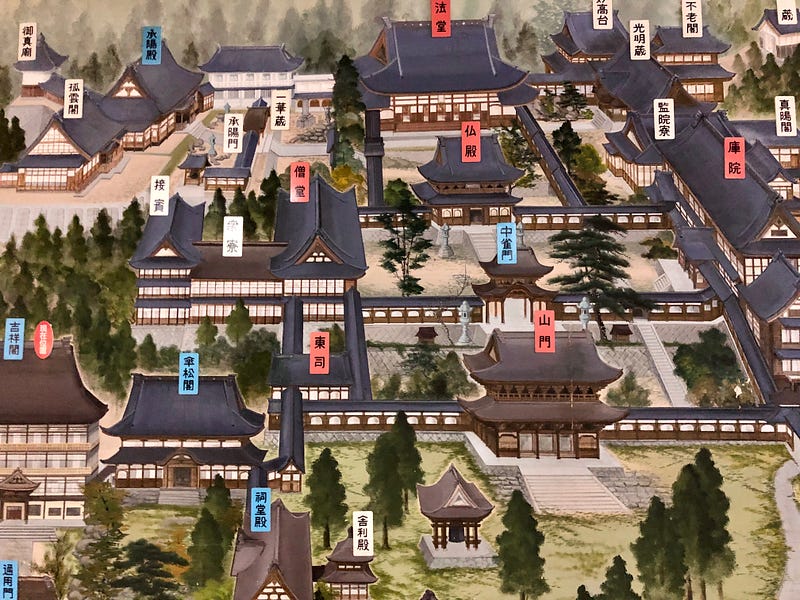
You’ll need this time to allow the atmosphere to do its magic. Wooden benches are placed in the major halls such as Butsuden and Hōdō and provide an unfettered viewing location to take a sneak peek at the monks and witness the stream of prayer being offered by guests. If nothing else, the majestic decorations and Buddha statues are enough visual stimulation to keep visitors engaged.
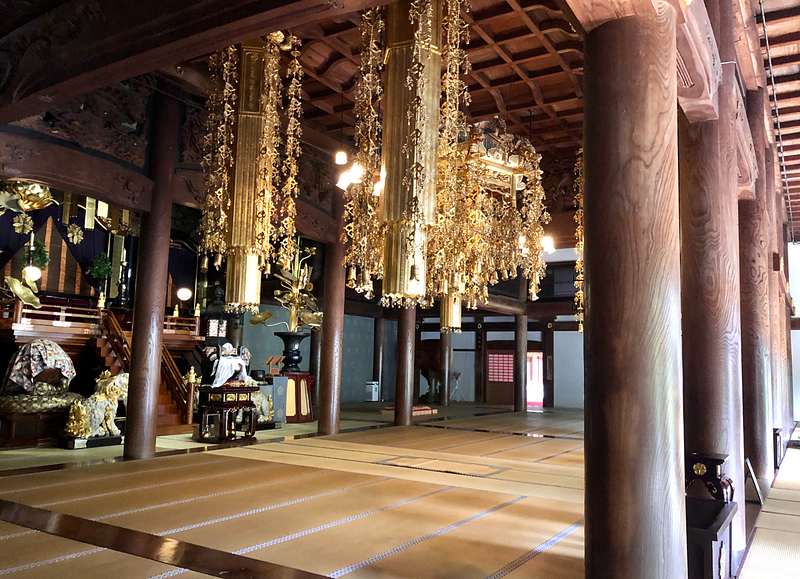
The Holy Place of the Sōtō School
At the hall named Jōyōden, you can see the calligraphy written by the Meiji emperor. This room is the most sacred place at Eiheiji since it’s the grave of Dogen, who founded the Sōtō school in Japan in 1227.
This is where his statue and bones lie, and so do the mortuary tablets of other chief priests who worked for the early ages of the Sōtō school.
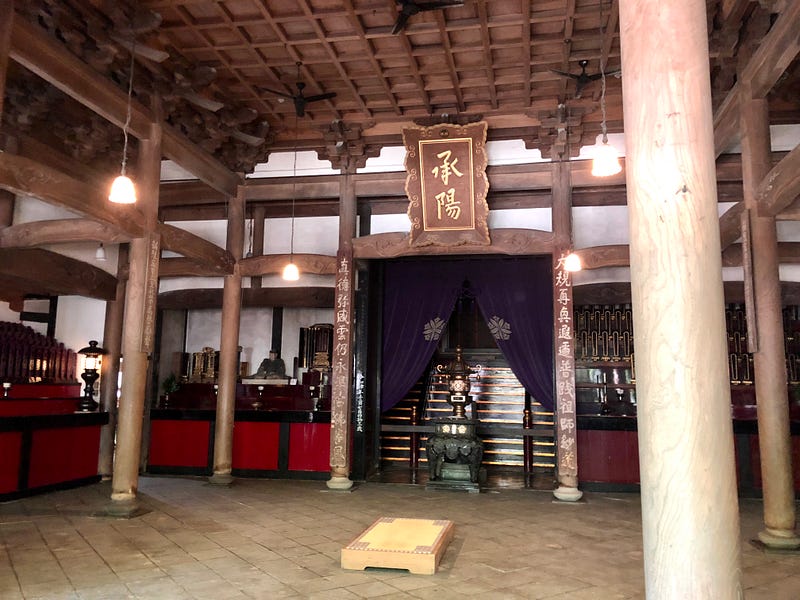
After visiting these sacred places, explanations of the Zen mind hanging on the wall of the hallway will pique your interest. For instance, one tells that putting your shoes together neatly helps to calm your mind.
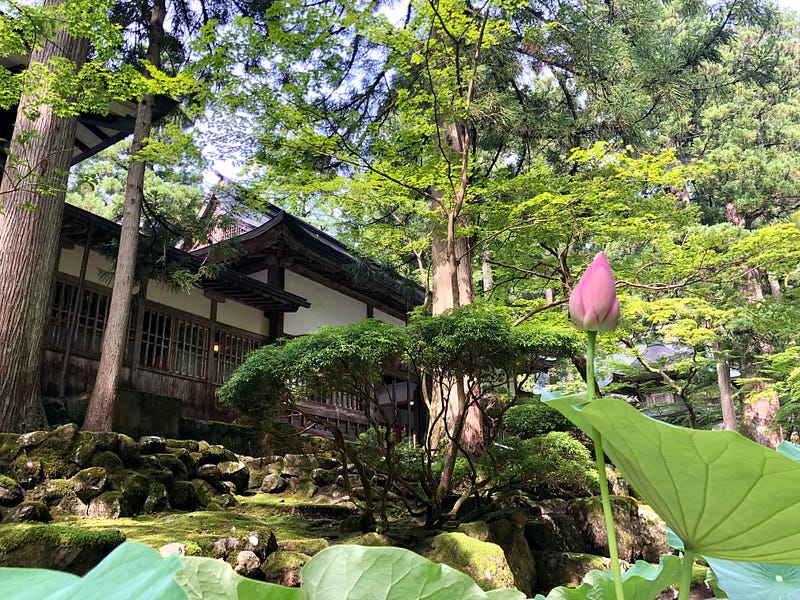
Finally, although it’s easy to overlook the entrance, the repository area near the exit can be a great wrap-up to relearn the detailed history of Eiheiji and icons of Zen Buddhism such as Dogen. (Taking photos is prohibited in this area.)
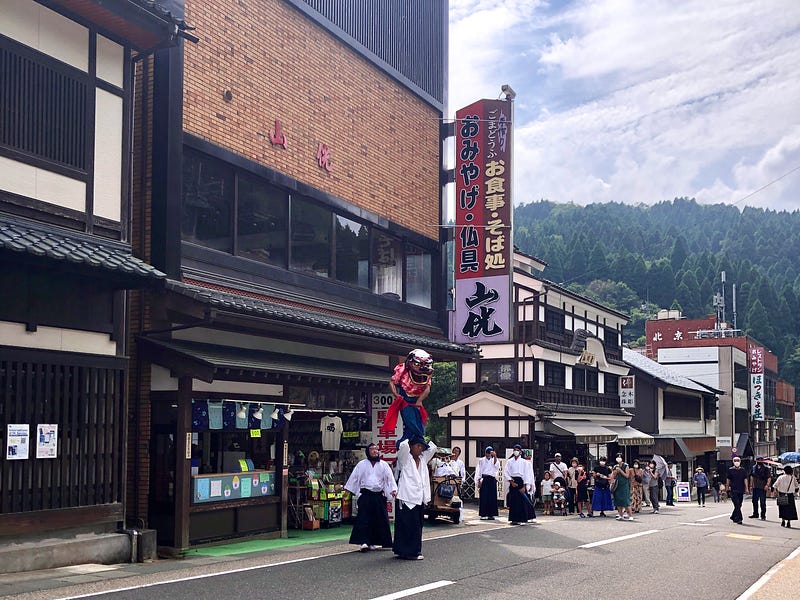
When I returned my slippers at the exit, everyone was putting their slippers into a return box so neatly. We Japanese live with this little Zen practice for sure. I was secretly proud of that as I walked through the gate again into the street lined with souvenir shops.
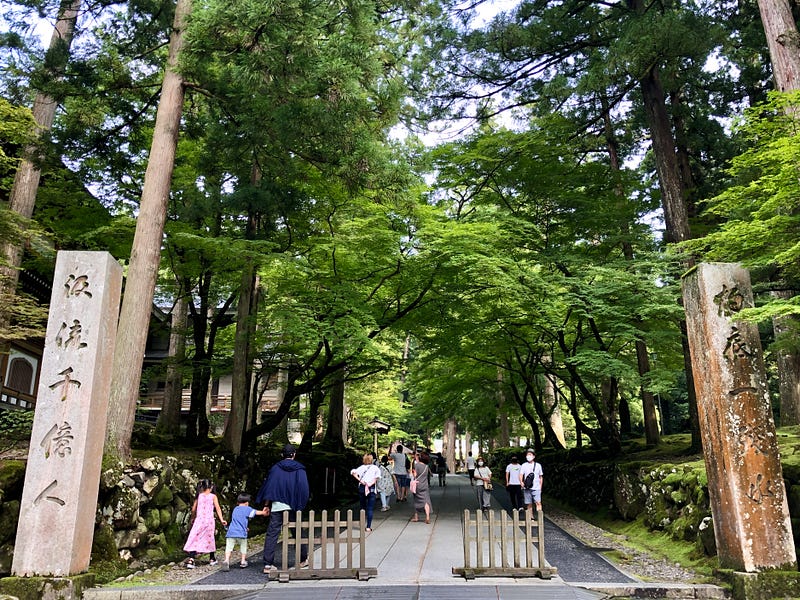
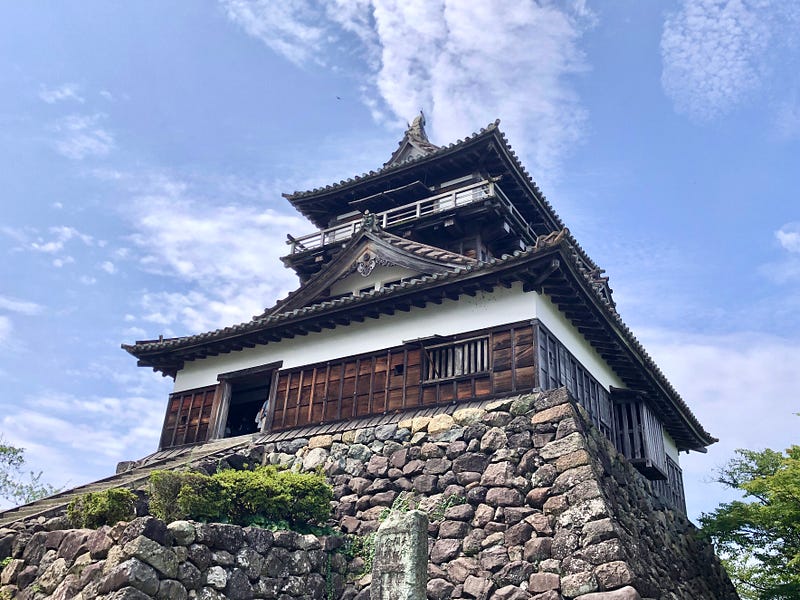
Eiheiji is reason alone to visit Fukui. But if you have time, don’t miss Maruokajō Castle where you can enjoy the great view from the watchtower.
Time-traveling experiences at Eiheiji and Maruokajō will make your trip to Japan unforgettable.
If you enjoyed this article, discover other works of the author at Japonica.
Follow Yuko for more stories about cross-cultural topics, travel, business, parenting, and equality. You can also subscribe from the referral link, which Medium uses a portion from followers for author support without any additional cost. Mediumの購読は、こちらのリンクからどうぞ。


