avatarLokajit Tikayatray

Free AI web copilot to create summaries, insights and extended knowledge, download it at here

3423

Abstract

re id="d6e3"><img src="https://cdn-images-1.readmedium.com/v2/resize:fit:800/1*DNlBAPBbkM0j3xNoTFbWEA.jpeg"><figcaption>by the author using toonytool</figcaption></figure><h2 id="193e">What to do:</h2><ul><li>Think through the issues to see if they are relevant. Many times the problems are just because of too much emotion and without much facts.</li><li>Work out the differences with your colleagues directly.</li><li>Share your work-related expectations with your team members to see if they have the same understanding.</li><li>If you have to raise a concern with your manager, don’t just complain. Give them options to help make the situation better.</li></ul><h1 id="3ec5">3. Do not brag or drag</h1><p id="9060">No one likes a <i>know-it-all</i>. Boasting about your own accomplishment is the fastest way to repel people away from you. It is also a sign of <i>low self-esteem</i> and <i>insecurity</i>.</p><p id="07ee">I have seen people who can keep talking about their smartness and intelligence without ever getting tired. They miss the fact that people are not interested in their self-promotion.</p><p id="580c">Then there are some people who keep talking without any knowledge about the topic. They are the loudest ones in the meetings.</p><p id="8dfb">It is essential to know when to talk and when to stop. When we drag a conversation, we waste everyone’s time without adding any value to the discussion. It gives rise to resentment in other participants.</p><figure id="eb62"><img src="https://cdn-images-1.readmedium.com/v2/resize:fit:800/1*dJOM3hBoowOxd0d67ff0fQ.png"><figcaption>by the author using toonytool</figcaption></figure><h2 id="f13f">What to do:</h2><ul><li>Never talk about your own achievements.</li><li>Talk only when it is <i>required</i>, or you are asked to state your opinion.</li><li>Limit the discussion to the <i>relevant </i>matters.</li><li>Observe other participant’s reactions to gauge if they are losing interest while you are talking.</li></ul><h1 id="cd52">4. Stay away from comparison</h1><p id="a15d">I have seen people questioning managers about why one of the colleagues got leave, but theirs is rejected. Why is someone allowed to come to the office 30 mins late, but they are asked to report in on time?</p><p id="aac7">Comparison with other team members is a <i>big no go</i> area in a professional environment.</p><p id="5bd2">We need to understand — every team member has their own specific challenges. They might have shared it with the manager to get some exceptions that you are not allowed to have.</p><p id="cc8d">Managers are not supposed to share the details about others when they decline your requests. In many cases, managers remove all exceptions, even for the deserving ones, just because a team member complains about it.</p><figure id="047f"><img src="https://cdn-images-1.readmedium.com/v2/resize:fit:800/1*DJLRefVlLG07XAQ7Jgm1Mg.png"><figcaption>by the author using kapwing</figcaption></figure><h2 id="7292">What to do:</h2><ul><li>Never <i>compare </i>with your colleagues.</li><li>If you need to ask your manager for something, <i>justify </i>why you need it — not because someone else is having the same benefit.</li><li>If the manager declines your request, never <i>question </i>why they approved some other teammate’s request.</li></ul><h1 id="8573">5. Don’t take part in blame games</h1><p id="0d7a">It is a natural human tendency to deflect the

Options

<i>responsibility </i>to someone else when there is an unfortunate incident. However, we can impress no one by playing the <i>blame game</i>.</p><p id="bab9">When people blame others, they lose the opportunity to learn from their mistakes. Their mind focuses more on avoiding the charges than finding out the real cause of the incident.</p><p id="5a53">In the blame game, there is always someone whom we try to make the scapegoat. That person will never <i>trust </i>us in the future. They will no longer be ready to help us when we need it.</p><p id="9aa1">Even other colleagues will perceive us more as <i>troublemakers </i>than a valued team member.</p><figure id="cc6b"><img src="https://cdn-images-1.readmedium.com/v2/resize:fit:800/1*Ivl_3ql3lvLEnFJS82mf4g.png"><figcaption>by the author using toonytool</figcaption></figure><h2 id="0562">What to do:</h2><ol><li>Stay away from <i>blame games</i> in your office.</li><li>Try to help teammates complete their tasks, instead of <i>criticizing </i>them for being inefficient.</li><li>If you cannot meet a deadline or your work has few issues, find out what you can improve on next time. Do not try to find a reason for failure in your teammate’s action.</li><li>Let the manager listen to all the parties involved and <i>derive </i>their own conclusion. Refrain from pointing out names.</li></ol><h1 id="4ce1">Final Thoughts</h1><p id="6b14">Now you know <i>what to avoid</i> in an office environment to be liked more.</p><ul><li>Avoid office <b><i>gossips</i></b></li><li>Don’t be a <b><i>complain </i></b>box</li><li>Do not <b><i>brag </i></b>or <b><i>drag</i></b></li><li>Stay away from <b><i>comparison</i></b></li><li>Don’t take part in <b><i>blame games</i></b></li></ul><p id="e5cd">Strictly stay away from making the above mistakes. It will help you build your reputation and credibility among colleagues and leaders.</p><p id="0700">When more people start liking you, your overall job satisfaction level will increase. You will begin to perform better. It will have a cascading effect on your professional growth.</p><p id="32a5"><b><i>Thanks for reading the article. You might also like to read:</i></b></p><div id="9a49" class="link-block"> <a href="https://readmedium.com/one-simple-scientific-secret-to-make-people-like-you-more-bf58d9b62b1b"> <div> <div> <h2>One Simple Scientific Secret to Make People Like You More</h2> <div><h3>Use the peak-end rule to your benefit.</h3></div> <div><p>medium.com</p></div> </div> <div> <div style="background-image: url(https://miro.readmedium.com/v2/resize:fit:320/0*rocFX7Mc_9ixovyz)"></div> </div> </div> </a> </div><div id="2ef1" class="link-block"> <a href="https://readmedium.com/do-you-know-how-to-give-a-feedback-perfectly-2986cc4181db"> <div> <div> <h2>Do You Know How to Give a Feedback Perfectly</h2> <div><h3>Learn the tricks and tips to deliver feedback right.</h3></div> <div><p>medium.com</p></div> </div> <div> <div style="background-image: url(https://miro.readmedium.com/v2/resize:fit:320/0*amCqBZ9UG8l26Xsx)"></div> </div> </div> </a> </div></article></body>

Want to Be Popular in Office: Avoid These 5 Worst Mistakes

Life is wonderful when everyone likes you in the workplace.

Image by Mudassar Iqbal from Pixabay

Some people in the office seem to have found the magic secret to be liked by everyone. Their teammates and their leaders alike admire them.

But many do not have a clue about how to make people like them at the workplace. They struggle to make friends among colleagues.

They are the ones who dread the thought of Monday morning.

Are you one of those many people who cannot find a way to make friends at the office? Do you dream of becoming popular among colleagues, but don’t know how to achieve it?

Here are five worst mistakes you can avoid at your workplace that will help you make friends and prevent team member’s animosity.

1. Avoid office gossips

Many people in the office gossip about their colleagues.

But no one likes a gossipmonger. Such discussion breeds mistrust and strains relationships.

Everyone who gossips thinks that the person about whom they are talking will never come to know of it.

But always remember — one who talks with you, will talk about you.

Eventually, the information reaches the people who are the target of the topic. You will also find out people who took part in your gossip are now talking about you behind your back.
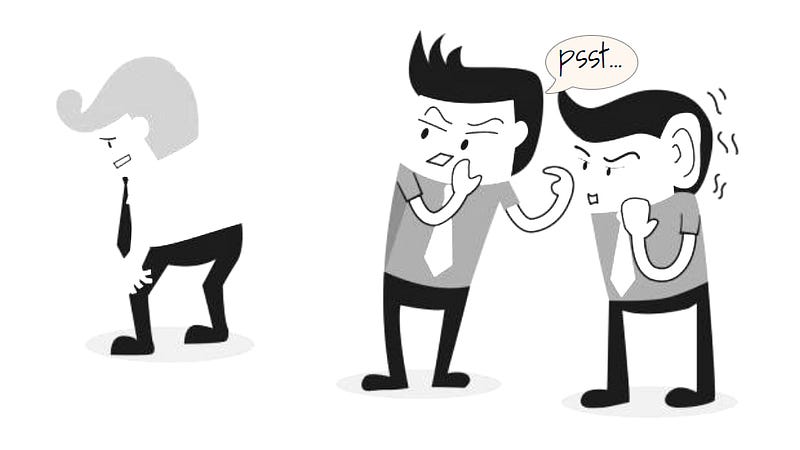
by the author using kapwing

What to do:

  • Avoid office gossips like the plague. Refrain from talking about anyone behind their back.
  • When someone pulls you into gossip, politely tell them you do not want to be part of it.
  • As soon as gossip starts, change the topic deliberately.
  • If you cannot stay away or change the topic, refrain from adding your views into those discussions.

2. Don’t be a complain box

Some people whine about everything. For every small incident, they will run to the manager to complain about their colleagues.

We all have some or other issues with few teammates. Sometimes people are not very supportive of our work. Maybe sometimes they are not as efficient as we expect them to be.

But no one likes a person who always talks negatively.

I have worked with people who complain that they are the only ones who are overloaded. But when they do not get any assignment, they complain that the manager is biased and trying to keep them out of projects.

Continous complaining creates a negative work environment. It shows that the person lacks maturity in handling pressure.
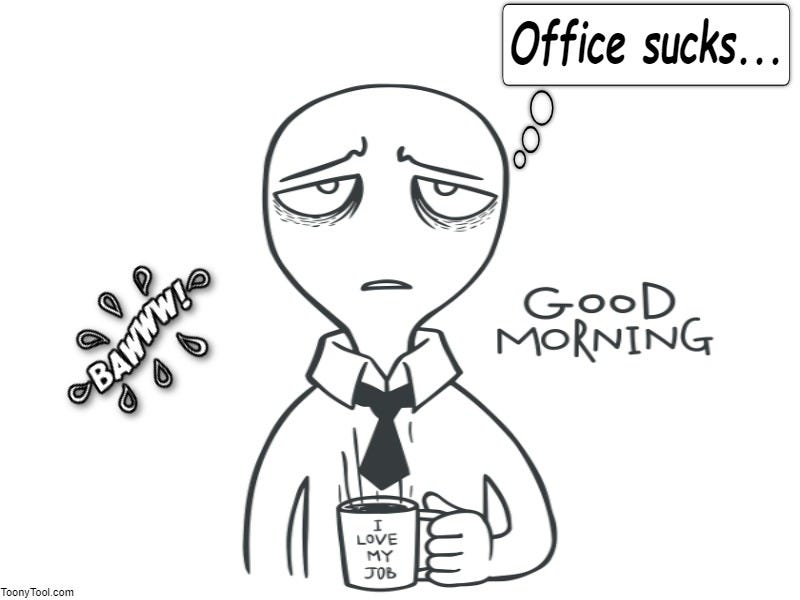
by the author using toonytool

What to do:

  • Think through the issues to see if they are relevant. Many times the problems are just because of too much emotion and without much facts.
  • Work out the differences with your colleagues directly.
  • Share your work-related expectations with your team members to see if they have the same understanding.
  • If you have to raise a concern with your manager, don’t just complain. Give them options to help make the situation better.

3. Do not brag or drag

No one likes a know-it-all. Boasting about your own accomplishment is the fastest way to repel people away from you. It is also a sign of low self-esteem and insecurity.

I have seen people who can keep talking about their smartness and intelligence without ever getting tired. They miss the fact that people are not interested in their self-promotion.

Then there are some people who keep talking without any knowledge about the topic. They are the loudest ones in the meetings.

It is essential to know when to talk and when to stop. When we drag a conversation, we waste everyone’s time without adding any value to the discussion. It gives rise to resentment in other participants.
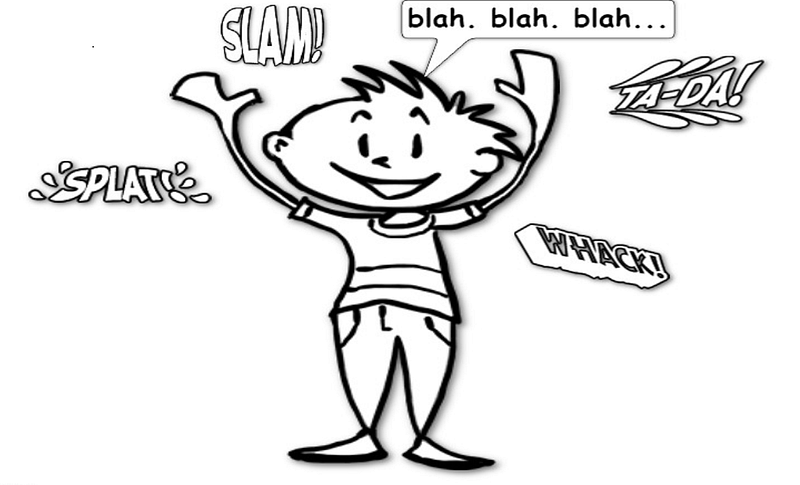
by the author using toonytool

What to do:

  • Never talk about your own achievements.
  • Talk only when it is required, or you are asked to state your opinion.
  • Limit the discussion to the relevant matters.
  • Observe other participant’s reactions to gauge if they are losing interest while you are talking.

4. Stay away from comparison

I have seen people questioning managers about why one of the colleagues got leave, but theirs is rejected. Why is someone allowed to come to the office 30 mins late, but they are asked to report in on time?

Comparison with other team members is a big no go area in a professional environment.

We need to understand — every team member has their own specific challenges. They might have shared it with the manager to get some exceptions that you are not allowed to have.

Managers are not supposed to share the details about others when they decline your requests. In many cases, managers remove all exceptions, even for the deserving ones, just because a team member complains about it.
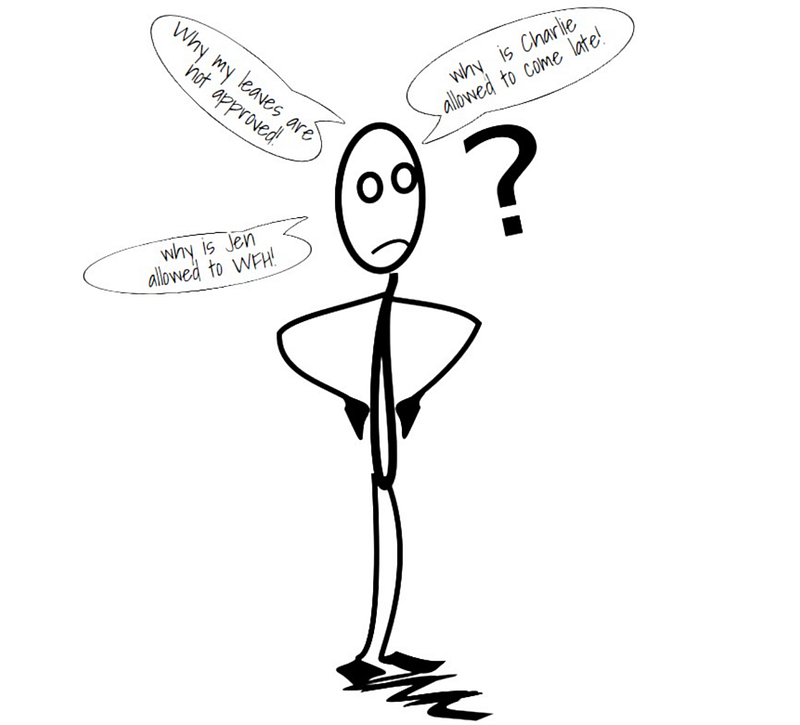
by the author using kapwing

What to do:

  • Never compare with your colleagues.
  • If you need to ask your manager for something, justify why you need it — not because someone else is having the same benefit.
  • If the manager declines your request, never question why they approved some other teammate’s request.

5. Don’t take part in blame games

It is a natural human tendency to deflect the responsibility to someone else when there is an unfortunate incident. However, we can impress no one by playing the blame game.

When people blame others, they lose the opportunity to learn from their mistakes. Their mind focuses more on avoiding the charges than finding out the real cause of the incident.

In the blame game, there is always someone whom we try to make the scapegoat. That person will never trust us in the future. They will no longer be ready to help us when we need it.

Even other colleagues will perceive us more as troublemakers than a valued team member.
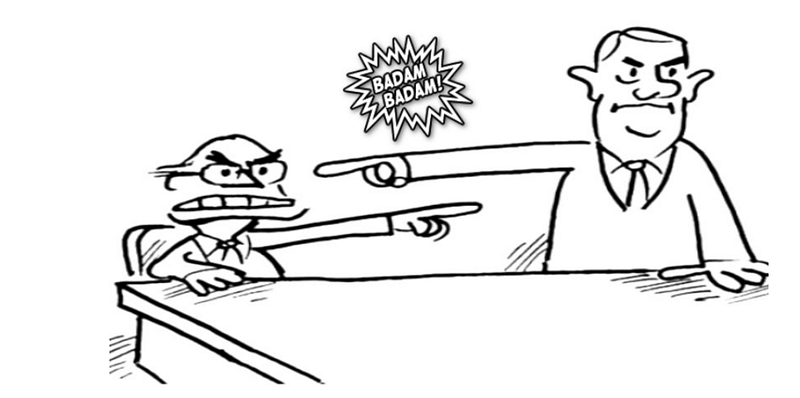
by the author using toonytool

What to do:

  1. Stay away from blame games in your office.
  2. Try to help teammates complete their tasks, instead of criticizing them for being inefficient.
  3. If you cannot meet a deadline or your work has few issues, find out what you can improve on next time. Do not try to find a reason for failure in your teammate’s action.
  4. Let the manager listen to all the parties involved and derive their own conclusion. Refrain from pointing out names.

Final Thoughts

Now you know what to avoid in an office environment to be liked more.

  • Avoid office gossips
  • Don’t be a complain box
  • Do not brag or drag
  • Stay away from comparison
  • Don’t take part in blame games

Strictly stay away from making the above mistakes. It will help you build your reputation and credibility among colleagues and leaders.

When more people start liking you, your overall job satisfaction level will increase. You will begin to perform better. It will have a cascading effect on your professional growth.

Thanks for reading the article. You might also like to read:

Work
Productivity
Professional Development
Self Improvement
Work Place Dynamics
Recommended from ReadMedium