
#30DaysOfScikuChallenge
Want sleep — go with your gut!
Day 13 Prompt: Sleep research Inspired Sciku
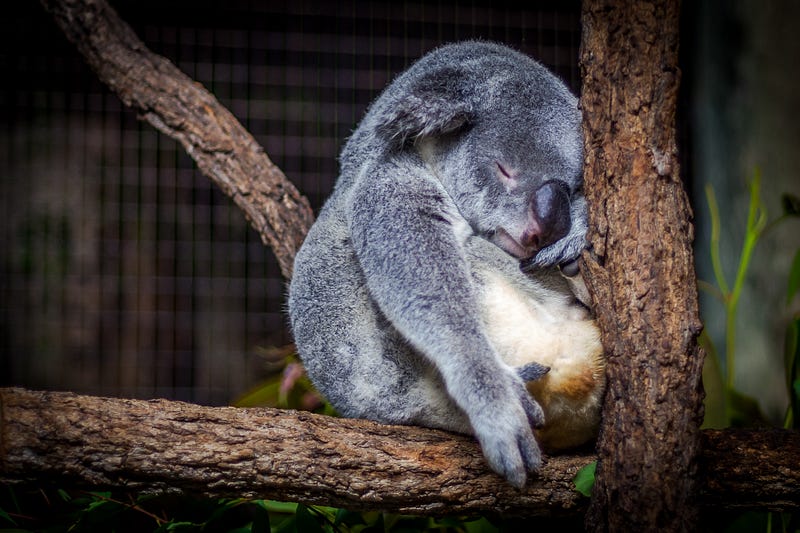
healthy food and sleep tryptophan-serotonin connection needs gut bacteria
With many of us having to get back to work and many demands on our time — the connection between food and sleep is of interest. Recent research has indicated that there might be a middleman in this equation — the bacteria in your gut!
Briefly, the researchers gave a group of mice a powerful cocktail of antibiotics for four weeks, which depleted them of intestinal microorganisms. When comparing the control group, the mice with depleted microbiota had significant changes in the contents of their intestines and disruptions in behaviors such as sleep.
Interestingly, one of the biological pathways most affected by the antibiotic treatment were those involved in making neurotransmitters, the molecules that cells in the brain use to communicate with each other. For example, the tryptophan — serotonin — melatonin pathway can help you fall asleep after a big meal!
Suggesting that the mice could not make any serotonin from the tryptophan they were eating without important gut microbes. The team also found that the mice were deficient in vitamin B6 metabolites, which accelerated the neurotransmitters' production and dopamine production.
Two key takeaways from this — thank your gut bacteria when you are feeling sleepy after a big meal and also that this research could potentially lead to some diet-related suggestions for those who have trouble sleeping — Science will once again lead us to better living and sleeping — Hope you get to nap this weekend!
*This is Day 13 of the #sciku challenge — science-inspired haiku-like poetry( so #sciku?) prompts to get you inspired — Our dear readers — why not spend some time each day creating and having a little fun — if you do — publish it anywhere on medium, just tag it with — #30DaysOfScikuChallenge.
** Tagging Thais Macedo Sarah Rossi, Yan H., and anyone else who feels inspired to follow and/or play along with this fun #30DaysOfScikuChallenge and today’s prompt: Sleep Research
For More on the #30DaysOfScikuChallenge:
More to read :
On Gut-Mood connection Muneer Banoori


