
The Connection Between Food and Your Mental Health

Especially in this COVID-19 era, who doesn’t love to have their pizza, Chinese or Indian food brought right to their door? It’s fantastic — all day spent working from home, tired, even bored, tasks to attend to, and barely any time to prepare dinner. Alas, Door-Dash or Uber Eats come to the rescue to solve the dinner dilemma.
The conveniences of having a wide choice of food available at your fingertips are lovely. But the practice of ordering-in comes with the risk of becoming a habit. Left unchecked it can make us lose connection with our mind, body, eat mindlessly, and become socially isolated.
Food is inherently a social and body activity and losing this connection can leave us vulnerable to emotional and physical ailments. There’s a surprising connection between what you put into your body and how you feel. Your diet might be the hidden culprit responsible for making you feel off. Here’s why.
The Food, Mood, and Body Connection
An estimated 16 million adults in the United States suffer from depression. Depression is undoubtedly a heterogeneous disorder with contributions from one’s childhood, genetics, the sensitivity of the immune system, other existing bodily illnesses, and current socio-economic status in society. What and how we eat can also impact how we feel — but how we feel can also determine what we eat.
Take-out food tends to be highly processed, filled with sugar, and refined carbohydrates. Eating highly-processed food is likely to give us an initial high but quickly send our energy and mood plummeting.
A 2012 study even suggests that people who routinely ate takeout food were 51% more likely to struggle with depression compared to those who did not.
Eating fast food regularly also means we’re less likely to consume the nutrients our brains need to work optimally. Fast food or food cooked commercially often lacks vitamins, minerals, and healthy fats. A deficiency in vitamins such as folate, a B-vitamin, has been shown to cause depression, apathy, and fatigue.
Studies are also starting to show that in people with depression, the immune system appears to be in over-drive, a sign of chronic inflammation. For instance, the blood of depressed people had comparable levels of a particular class of proteins called cytokines released as an inflammatory response, like those after an illness or injury.
Inflammation is the body’s natural response necessary to fight off infections. But chronic inflammation, which often results from psychological stress as well as lifestyle factors such as smoking, excessive alcohol intake, and physical inactivity is harmful to our health.
As Hippocrates said, we should,
‘Let food be thy medicine and medicine be thy food.

Food and Social Connection
In many cultures, food is central to getting together with friends and family and is a glue that often brings people. But what about the type of food that we are eating — is there a social downside to eating take out?
For one, we’re usually more likely to eat take-out food in front of the TV or computer — taking away from our time connecting with others. It’s easier to engage in un-mindful eating when we order in and eat sitting in front of a screen.
It’s also easy to participate in mindless eating and even eat more than we need. After doing this for a few months, and it’s easy to put on a lot of weight unintentionally, which can further impact self-esteem and even lead to symptoms of depression.
It’s also possible that saturated fats interact with heightened amygdala activity in the brain and influence the feelings of social-connectedness. For instance, there was an increase in reported social withdrawal and feelings of loneliness and isolation following a steady diet of fast food in people who initially identified as “happy.”
Moreover, certain fast foods can be addictive, and quitting can feel like withdrawal symptoms, including mood swings, cravings, anxiety, headaches, and poor sleep.
Could your urges to eat unhealthily be a reflection of dependence on certain foods? Perhaps.
Food addiction can be as challenging to break as other substances. There is some evidence to support the idea that cutting sugar out of the diet is more complicated than quitting cigarettes.
Should You Order-in?
Given the potential downsides of eating highly-processed food, it is worthwhile to consider how frequently you’re eating unhealthily.
An excellent place to start is to track your meals for about a week or two. Record — when did you order, what did you order, who were you with, and how were you feeling? What did you find?
If you find that your occasional order-ins are healthy meals and you were in a good mood and socially connected — pat yourself on the back — well done!
However, if you find that you are ordering-in fast food and eating alone more often than you would like, it may be time to incorporate some changes in your food habits.
It might be helpful to start with small mindful changes to how you prepare and consume your food rather than making big, sudden shifts to your routine.
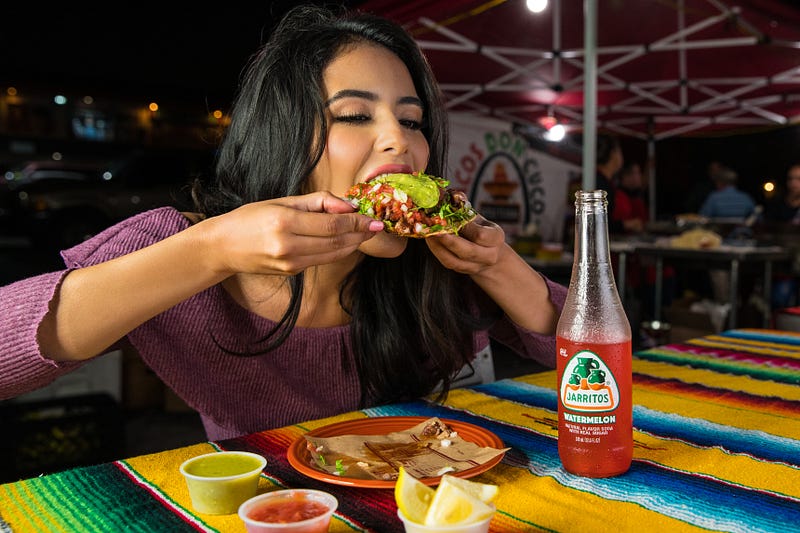
Food and Mindfulness
There are enough indications that being mindful about what we eat and how we eat is related to better health outcomes. Some ideas for mindful eating include meal planning, setting aside time to eat, and eating socially.
Be creative. Go ahead and experiment and involve your loved ones in trying new, healthier alternatives when eating out.
The bottom line is that if you want to feel good, inside and out, be mindful of your urges to eat junk food and instead prepare wholesome and nutritious meals for yourself.
Is it as convenient? No. But part of taking care of yourself is making the tough everyday choices that you’ll be thankful for in the future.


