
How to Eat
A quick tip about the power of intentional focus when eating.

When you’ve had disordered eating or an eating disorder, eating is no longer simple. It begs the question: how do I eat? To answer that question, I wanted to share a quick tip about the power of intentional focus when eating.
Eating is primarily a body-based experience. By that, I mean, the main characters when we eat should be our tastebuds and our hunger and fullness cues.
Yes, there is room for your mind to be a little bit of a player in your eating behavior. Your mind can gently use nutritional information to guide eating choices. But using some knowledge of nutrition to guide our food choices some of the time is a super-advanced skill for someone with a history of eating disorders/disordered eating, and it is the topic of an upcoming article. So, let’s just shelve that thought of “Yeah, but what if my mind knows complex carbs are better for me; shouldn’t I always choose complex carbs over white flour?” Just shelve that. I promise to write about it soon. Yes, yes, there is space in our eating experience for our mind to have a bit of an influence in our choices, but the influence is so small and totally not the point and flat out dangerous to try too early in recovery. So, for now, eating is a 100% body-based activity: Tastebuds. Hunger cues. Fullness cues. The only mind part of your eating should be following your meal plan if you have one (read that again: if you had a meal plan by an eating disorder dietitian, follow that, regardless of your hunger/fullness cues).
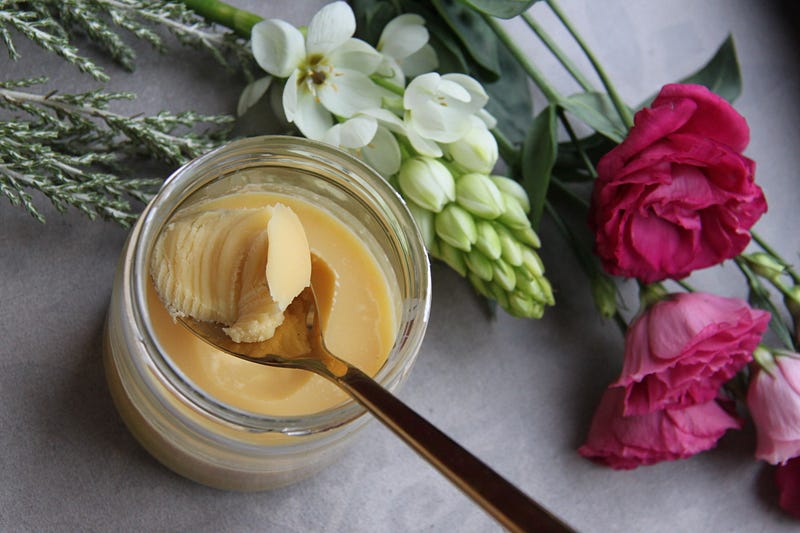
Okay, so onward… imagine you’re sitting down at a table with a friend and you have some food in front of you. Let’s say you have takeout — some kind of dahl. You know it is delicious! But you didn’t make it, and it kind of is all mushed together so you can’t quite tell what it is in it. If you are not intentional, your mind might command all of your attention: is this made with cream? Oil? Ghee? Is Ghee a health food or not? How many calories are in lentils? Some canned lentils have preservatives in them — was this dish made with those? Lentils are carbs, so I shouldn’t really have it on naan because that’s like two carbs. Maybe if I have it on brown rice, that’ll be better because at least the two carbs are the good kind. I shouldn’t have this at all. But now I already started, so eff it. Just scarf it down. I just won’t eat the rest of the day or tomorrow to make up for it. [Disclaimer in case this wasn’t clear: please know this is an example of what the eating disorder mind says, not what is true! Dahl is delicious, and you should eat it enjoyably and then eat the next meal or snack, too.]
Something like that.
It’s like there’s a little flashlight hanging from inside the crown of your head, and it is only shining internally at your brain. That’s all you see: your thoughts. Your eyeballs might be looking at the person sitting across from you or at your food, but you’re not seeing them. You’re “seeing” just your thoughts inside your brain, as they command all of your intentions. That’s where your internal flashlight is shining.
But eating is not a mind activity. It is a BODY activity. And it is a SOCIAL activity.
So take that little flashlight and imagine it, hanging from the crown of your head, then imagine it aiming at and shining on your tongue, traveling past your brain, and locking in on your tastebuds. Now when you take a bite, keep it shining there. Let that focus command your attention. Suddenly you EXPERIENCE what it tastes like (not think about it). The experience of taste — let it be a nonverbal experience. Just zoom in on those tastebuds.
Another thing to zoom in on is the other person at the table with you. Get that flashlight to shine through your skull, across the table, and at the other person. Focus on the other person, on the conversation, on what they’re saying. Let this be filled with the experience of connection.
Now, your mind will try to command that flashlight’s attention: Hello, you just ate most of your dish. Eff it — just finish it and go home and keep eating in secret.
But woah! Inhale. Exhale.
Rotate that flashlight down from your brain to your tastebuds. Take the next bite. Experience the taste.
Or move that flashlight to the other person, not your own mind. Ask them a question, pay attention to the answer. Throw yourself into connection.
Feel the anxiety rising in your body? It’s fine. Pause. Drop the utensils. Breathe. The breath goes in. The breath goes out. And begin again. We can always begin again. Where’s the focus? Tastebuds. Social connection. Rinse. Repeat.
Whatever your next meal or snack is, try keeping your flashlight on your tastebuds or on the person you’re with. If you see it getting sucked back into shining on your thoughts, say: Eating is a body activity and a social activity, not a mind activity. And then rotate that flashlight.


