
Volunteer for the Greater Good
And quite possibly find your purpose.
Have you ever thought about passion? What about purpose?
There’s some thought here that keeps rolling around in the back of my mind for a while now.
Last week, I wrote about finding your life’s purpose, and a few weeks before that, I pondered how knowing your ikigai, or purpose, can add years to your life. Hmm…I detect a recurring theme here.
It probably all started as I considered successful aging. But, you see, for most of us, it’s a do-it-yourself project.
I never knew my grandparents, and my own parents died unhappy, sick, and earlier than they needed to.
And as I reflect, and read, and think—I write. I’ve figured out what I need!
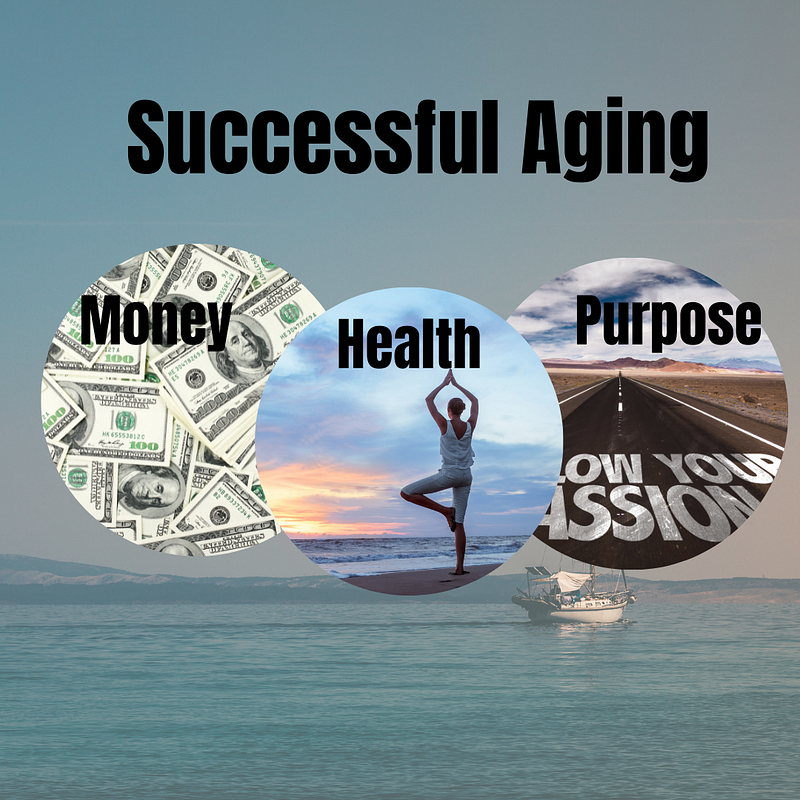
Enough money to keep body and soul together, good health, and passion.
Not the tango-rose-between-the-teeth, heavy breathing kind of passion. The kind that just seems to make us care.
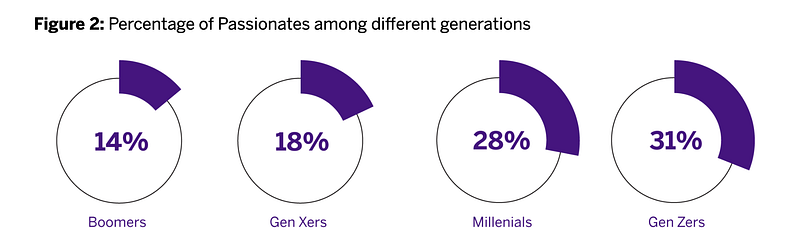
There is a special group of people identified as the Passionates.
Some people care deeply about many things; perhaps they have a greater affiliation with the original roots of the word passion—meaning suffering.
Ten thousand adult residents of Canada and the United States were asked how strongly they felt about 17 critical global issues. SAP Insights, who created the survey, labeled those who felt significantly stronger about every issue as The Passionates.
These people have a greater intensity and commitment to problems in the world today than most other people.
This care, this passion, gives us purpose.
Perhaps, a better word than passionate would be com-passionate.
The meaning of compassion is literally to suffer with. When we ourselves, or our loved ones, are suffering, we are intensely committed to action. We will do whatever we can to ease the pain of those we care about.
When someone outside of our direct tribe is in trouble, it’s easier to ignore their pain.
Contrary to what many think, I’m excited to see that younger people are more passionate than older generations.
The percentage of people who regularly volunteer is encouraging: people still care. And 28% of Gen Z is already helping.
Volunteers under the age of 24 account for 22.6% of all volunteers, according to one article on TheVolunteerHub.com.
For your easy reference:
- 30.7% of Baby Boomers volunteer (Born between 1946 and 1964)
- 36.4% of Gen X volunteers (Born between 1965 and 1979/80)
- 26 % of Gen Y or Millennials volunteer. (Born between 1981 and 1995)
- 28.2% of Gen Z volunteers (Born between 1997 and 2012)
- Gen A: Generation Alpha starts with children born in 2012 and will continue until 2025, maybe later.
Volunteering, giving back, charity, acts of kindness.
I’ve been thinking a lot about these concepts recently. I’ve been an active volunteer since my teens, even though neither of my parents was.
Many spiritual practices encourage giving time to others along with donating a portion of one’s income. Some people give to nonprofits and causes that are important to them, and others never do.
Wait a minute! I hear some people say. It’s true I don’t spend time cleaning cages at the animal rescue or cooking for homeless people. But I do other things like driving my elderly neighbor to her doctor’s appointments, coaching my son’s soccer team, and mowing the yard for the single mom next door.
Absolutely. These person-to-person informal acts of kindness are every bit as important as big organized projects.
There’s a special power in working together for the Greater Good.
The small, non-conspicuous acts of grace are wonderful, but I find real inspiration in creating change in community.
There’s a connection, an energy that’s released that multiplies the efforts of one person to create an even greater good. When I have no ability to do something, we find that very thing is your spot of genius. Where one is weak, another’s strong.
It is invigorating! Both what is accomplished and the sense of teamwork.
Committed, passionate volunteers have purpose.
Honestly, I’ve been volunteering for…well, let’s just say decades. I’ve worked with hundreds of wonderful people of all ages and all the ones who last—love what they do. Does passion follow purpose? Or happiness follow passion? I’m not sure, but it seems to work.
Aren’t you glad I’ve figured it all out? We wish.
Seriously, volunteering is a darned good place to look for both passion and purpose. And health.
Benefits of volunteering: 4 ways to feel healthier and happier.
- Volunteering connects you to others.
- Volunteering is good for your mind and body.
- Volunteering can advance your career.
- Volunteering brings fun and fulfillment to your life.
All of my best friends I’ve met through volunteering. Try it—even if you never have before. I suggest looking for an opportunity in an area that interests you. Animal lover? Helping animals may be a good fit. Love books? Volunteering at a library. There are opportunities everywhere.
If you need to, try out a few different places until you find one that feels right to you. What have been your experiences volunteering? Tips for others just getting started? Please share in the response section.
If this article is helpful to you, please clap. If you love it—clap up to 50 times. It helps this important information reach more people.
Resources:
Americorps and Americorps Senior
Peace Corps and Peace Corps for Experienced People
Cindy Heath grew up on a homestead in Alaska, has lived in Washington, Arizona, and New Mexico. Sign up for her short weekly emails to hear what’s new and interesting in Dripping Springs, Texas.


